
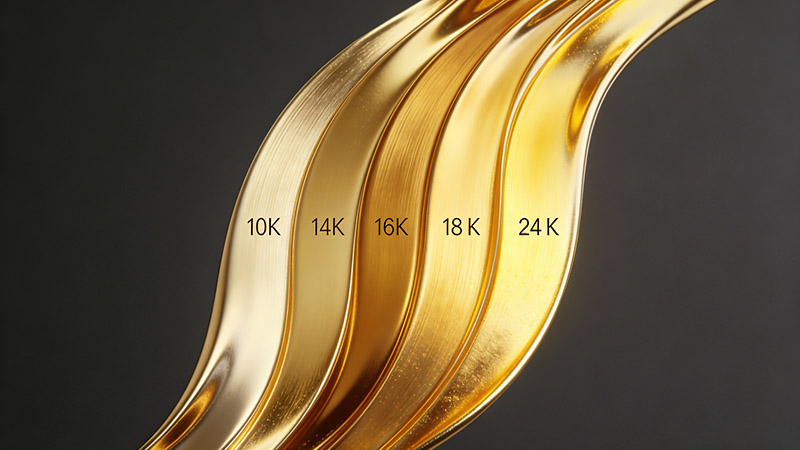
Gold jewelry has long been valued for its beauty and lasting appeal, but not all gold is the same. When shopping for fine jewelry, you often see markings like 10K, 14K, 18K, or 24 K. These numbers matter more than you might think. They indicate the karat, which tells you how much pure gold is in a piece.
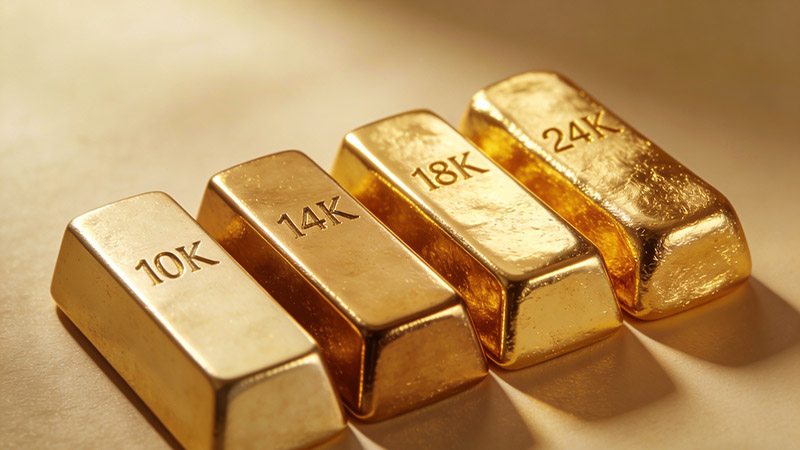
Gold purity indicates its permanence, color, price, and wearability. Some karats are better for daily jewelry, while others are prized for their rich color and higher gold content. Let us explore different karats of gold to find a perfect and fine jewelry item for you.
What Are Gold Karats?
Karat tells how much pure gold is present in your everyday jewelry items. 24K karats gold is one of the purest forms of gold with no additional metals added. All the other karats contain additional metals like copper, zinc, or nickel that enhance the strength and durability.
Here is a quick chart that will help compare gold quality, durability, and value across different jewelry options:
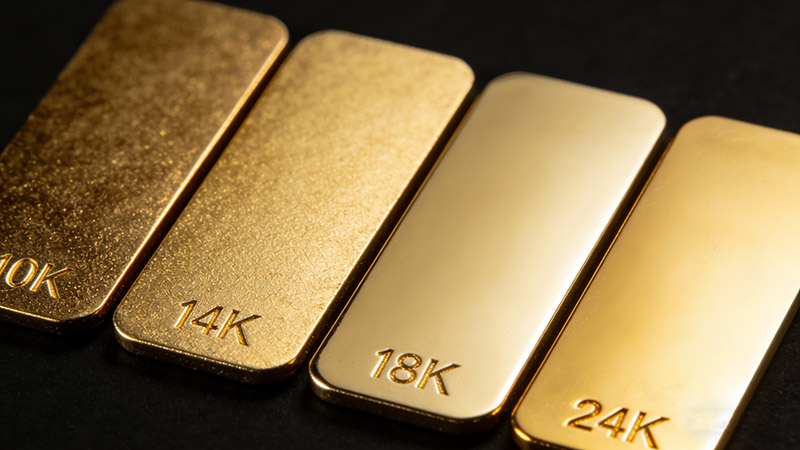
- 10K gold contains about 41% pure gold
- 14K gold contains about 58% pure gold
- 18K gold contains about 75% pure gold
The gold purity scale ranges from 0 to 24 karats, where each karat represents 1/24th part of the whole. Pure gold is flexible and soft; therefore, it is rarely used in everyday wear jewelry like promise rings, bands, and earrings.
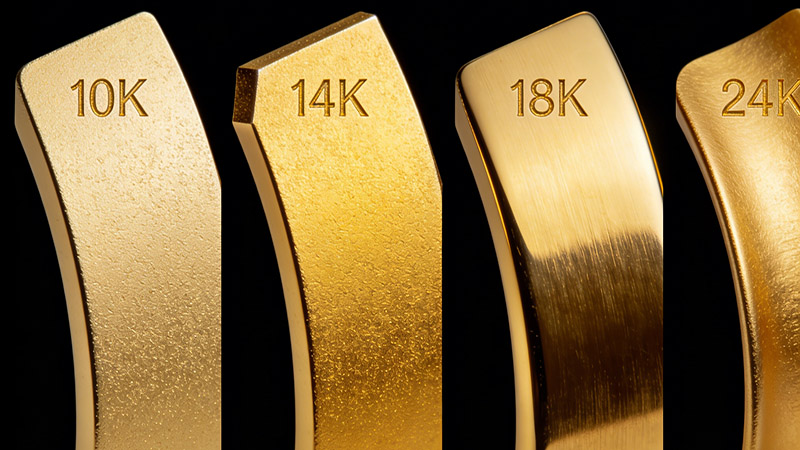
Are you thinking that if pure gold is so valuable, why mix it with other metals? The answer is simple to enhance the strength, durability, and practicality. The addition of other alloy metals to gold makes it suitable for everyday wearability. Also, make it available in different colors like yellow, white, and rose gold.
Gold Karat Purity Chart (Quick Overview)
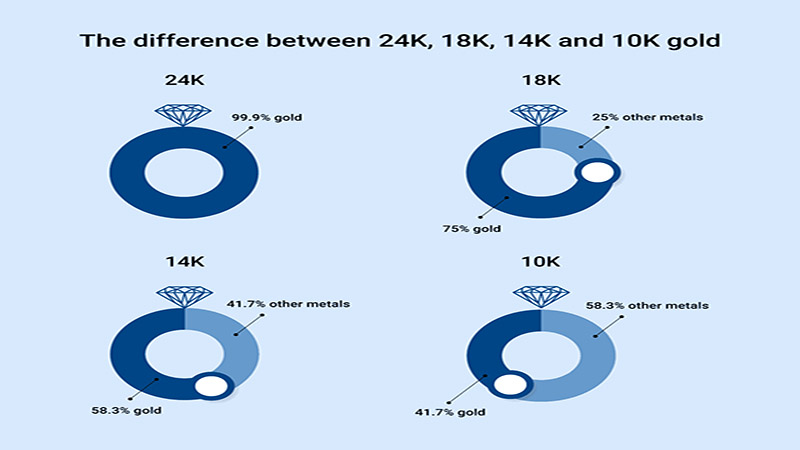
- Although the karat system is a simple way to measure gold purity, some buyers still find it confusing. Here is a detailed analysis of each karat of gold.
| Gold Karat | Gold Content | Purity Percentage | Color Appearance | Durability Level | Common Jewelry Types | Best For |
|---|---|---|---|---|---|---|
| 24K Gold | 24/24 parts | 99.9% pure gold | Deep, rich yellow color | Very low (extremely soft) | Coins, bars, cultural jewelry | Investment, ceremonial use |
| 18K Gold | 18/24 parts | 75% pure gold | Rich yellow with a deeper color | Medium | Premium chains, fine jewelry pieces, intricate design work | Luxury look, occasional wear |
| 14K Gold | 14/24 parts | 58.3% pure gold | Warm yellow, well-balanced tone | High | Rings, chains, bracelets, and everyday jewelry | Best balance of durability & beauty |
| 10K Gold | 10/24 parts | 41.7% pure gold | Lighter yellow tone | Very high | Chains, hip-hop jewelry, and daily wear pieces | Budget buyers, active lifestyles |
Karats affect every aspect of gold jewelry, such as color, price, durability, and maintenance. Higher karats have richer yellow tones, while lower karats have rose gold and white gold that look more luxurious and stronger. In simple terms, lower karats mean less gold, but greater durability.
The Differences Between Four Types of Karat Gold
Pros of 10K Gold:
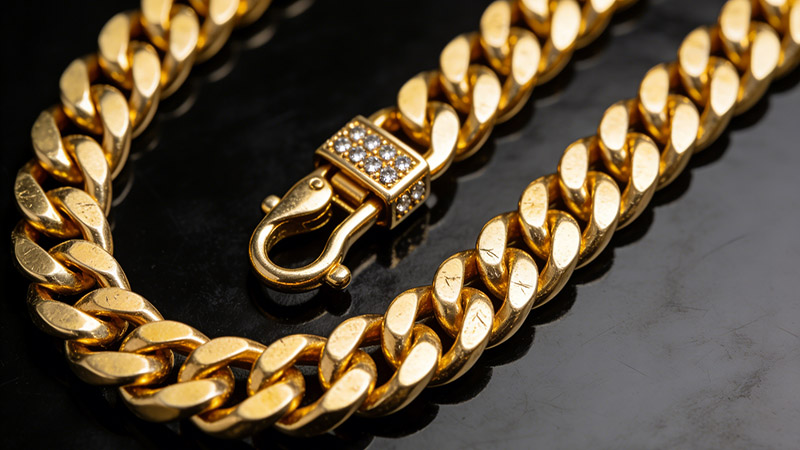
10K gold used in fine jewelry is the lowest legally recognized gold that contain 41.7% pure gold and 58.3% other metals. One of the biggest benefits of 10K gold is its durability. Compared to higher karat gold
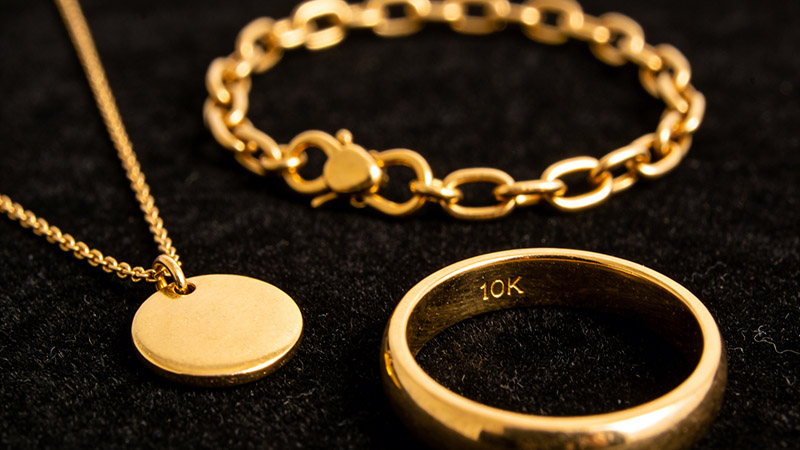
Another key advantage is its affordability. Since 10K gold contains a lower gold content, it is more budget-friendly. This makes it ideal for first-time buyers or anyone who wants stylish gold jewelry without paying a high price.
Scratch resistance is another reason why 10K gold is popular. While no gold is completely scratch-proof, 10K gold holds up well against daily wear, making it perfect for chains, bracelets, and rings worn regularly.
Cons of 10K Gold:
The main drawback of 10K gold is less quantity of gold, which makes it less suitable for investment potential. Also, if you love the rich tone of higher karat, the lighter color of 10K gold may not be appealing to you.
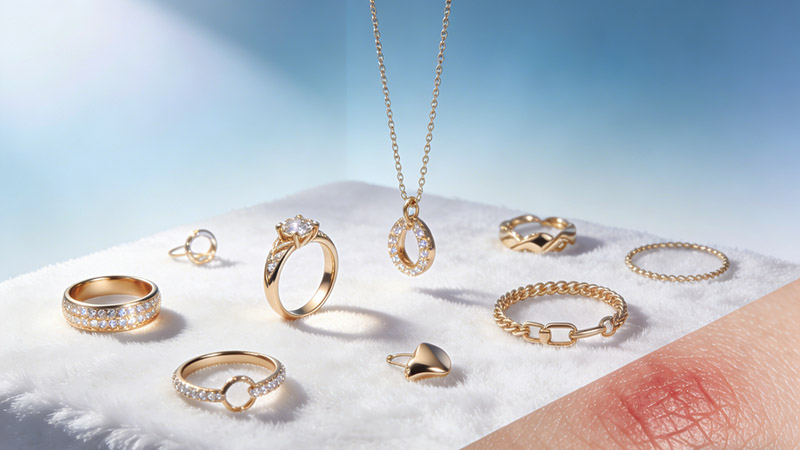
Additionally, it contain mixture of other metals that might cause skin irritation for people with sensitive skin.
14K Gold: The Best Balance
14K gold is the most popular choice in the U.S. thanks to its balance of strength, color, and price. Its combination with other strengthening alloys gives it a richer color than 10K, making it more durable for everyday wear. Not only do buyers love working with 14K gold, but jewelers also appreciate its versatility and luxurious look. All these qualities have made it a popular choice in the U.S.
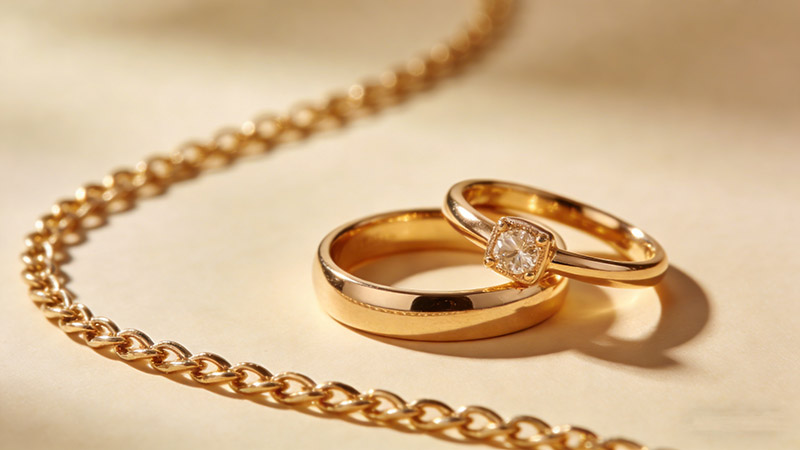
Its warmer and more noticeable yellow tone makes it stretch-resistant. Whether it is a simple rope chain or a detailed Cuban link, 14K gold performs well.
Another common use of 14K gold is engagement rings and wedding bands, Whether you are looking for earrings or bracelets, 14K gold will give you a premium look without maintenance concerns.
Difference Between 10K and 14K Gold Purity
Choosing between 10K and 14K? Here’s what actually matters:as it will help you choose the best jewelry item for you:
Color comparison: 14K looks richer, while 10K appears slightly lighter.
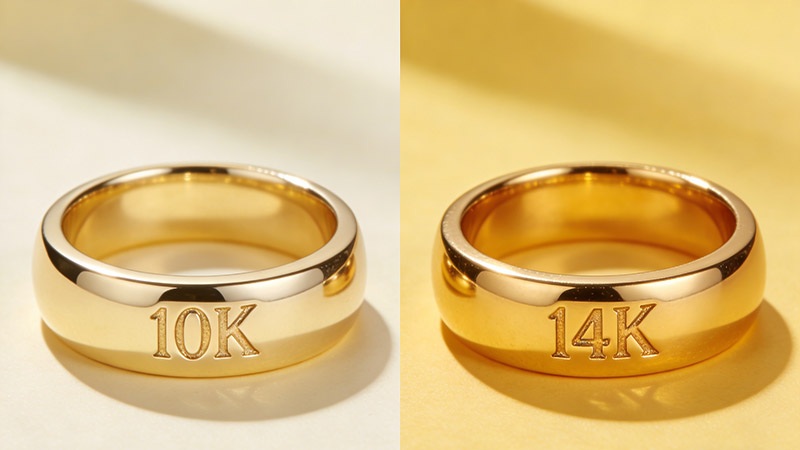
Strength & Durability: 10K gold is more durable than 14K gold as it contains a mixture of other alloy metals. Though the 14K is still durable and capable of handling daily wear, the difference in strength is noticeable.
Price Difference: 10K is more budget-friendly, while 14K offers better overall value.
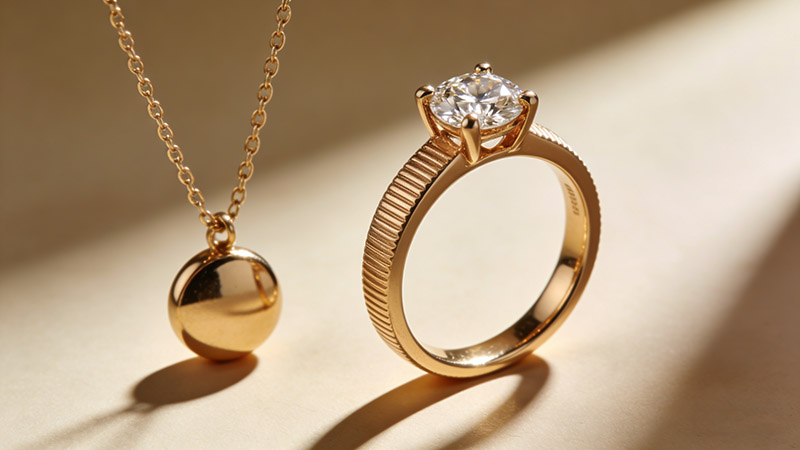
If you want durability on a budget, go for 10K. If you prefer better color and long-term wear, 14K is the safer choice.
18K Gold Explained (Luxury Look, Softer Feel)
18K a vibrant glow that is matchless with other karats.Its higher gold content gives it a deeper, more saturated yellow tone than 10K or 14K.
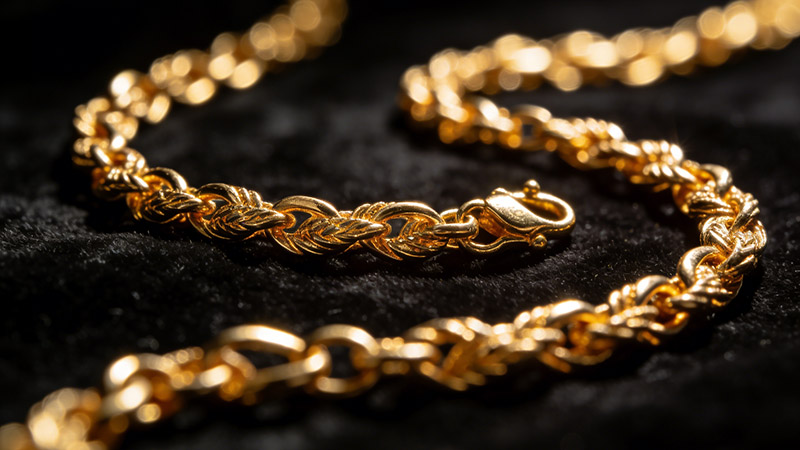
18K gold is often used in high-end and designer chains due to its visual appeal. Other karats cannot match the color, shine, and luxury feel that 18K has. Although it is softer and not ideal for daily use, luxury jewelry lovers, occasional wear people, and buyers who value color choose 18K gold.
18K Gold vs 24K Gold (Is Pure Gold Practical?)
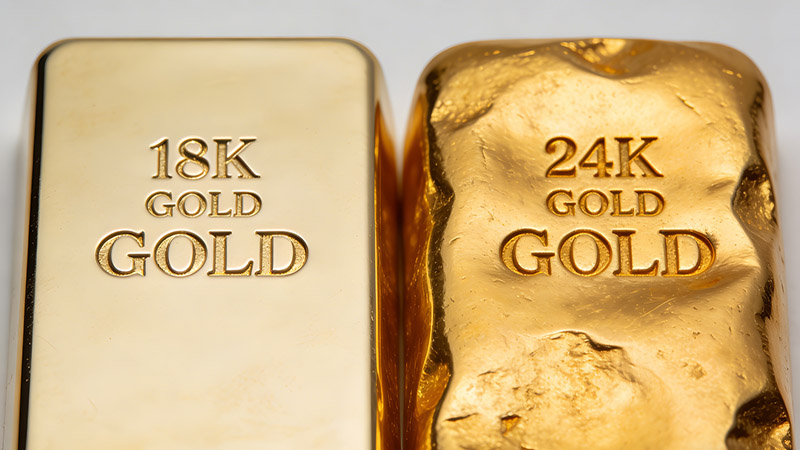
Although 18K yellow gold is popular among buyers, the purest form of Gold available is 24K. 18K yellow gold contain 75% of pure gold, while 24K contain 99.9% of pure gold. 24K gold is extremely soft, which makes it less practical for everyday jewelry.It is suitable for cultural jewelry, investment value, and ceremonial jewelry.
Which Gold Karat Is Best for You?
10K, 14K, and 18K gold are the most common choices in jewelry, each offering different benefits. Here is a quick overview of all the gold karats to help you choose a practical jewelry item for you:
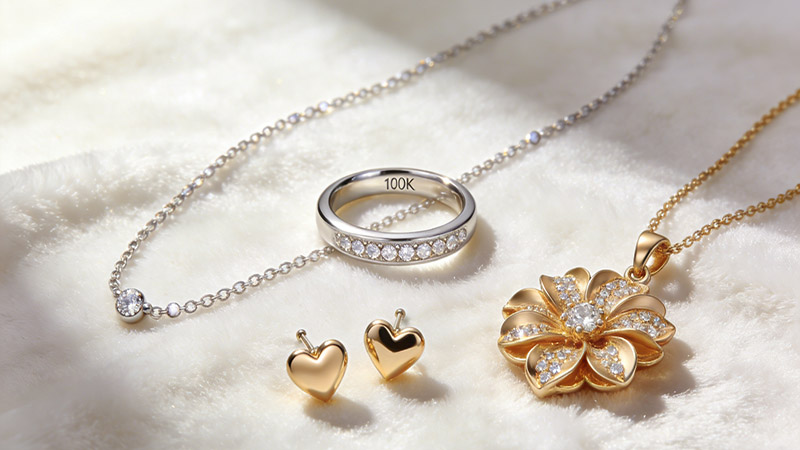
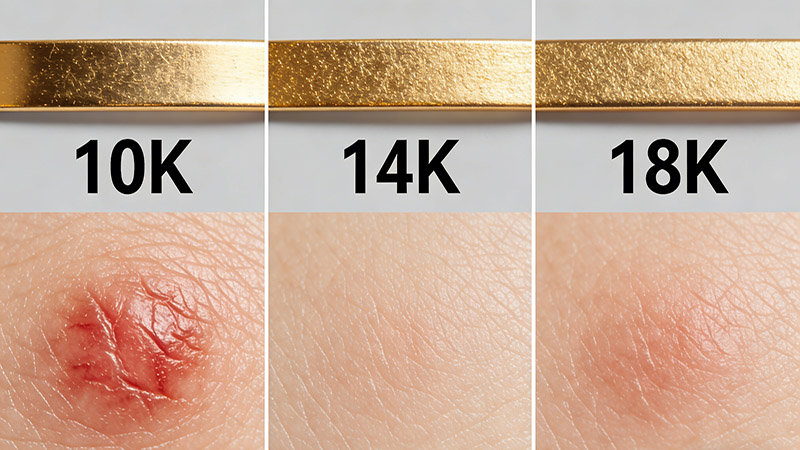
Gold jewelry is the priority of everyone on the globe. But sometimes wearing it results in skin irritation for those with sensitive skin. 10K gold with more alloy metal results in increased allergic reactions. However, higher karat gold, such as 14K and 18K are less prone to allergic reactions due to gold purity.
- 10K white gold is best for making chains, engagement rings, and wedding bands.
- 14K yellow gold is best for daily wear items such as earrings.
- 18K gold is best for fine jewelry and appealing items.
If you have sensitive skin, higher karat gold like 14K or 18K is usually safer. Lower karats contain more alloy metals, which may irritate.
Buying Tips Before You Choose a Gold Karat Number
Choosing the right gold karat is not just about purity — it should match your budget, target customers, and business goals.
Missjewelers collaborates with jewelry retailers, brands, and wholesalers worldwide; therefore, we understand that different buyers require different solutions.
Budget Considerations
Budget plays a major role in choosing gold jewelry. 10K gold is cost-effective and durable, and its paler yellow look makes it ideal for those who love to wear white gold. 14K yellow gold has a higher percentage of pure gold and has a higher price than other karat gold.18K gold delivers a deeper color and higher gold content, making it ideal for customers who prioritize luxury and are less sensitive to price.
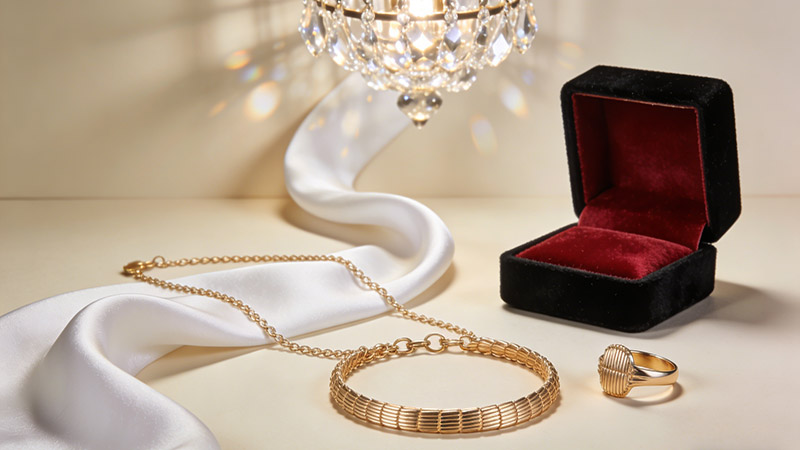
we help you choose the right karat based on your target market, pricing strategy, and design style. Whether you are building a new collection or scaling your business, we offer flexible customization, stable quality, and competitive bulk pricing to match your needs.10K gold is an excellent option for budget-conscious buyers due to its affordability and permanence
Long-Term Value & Resale
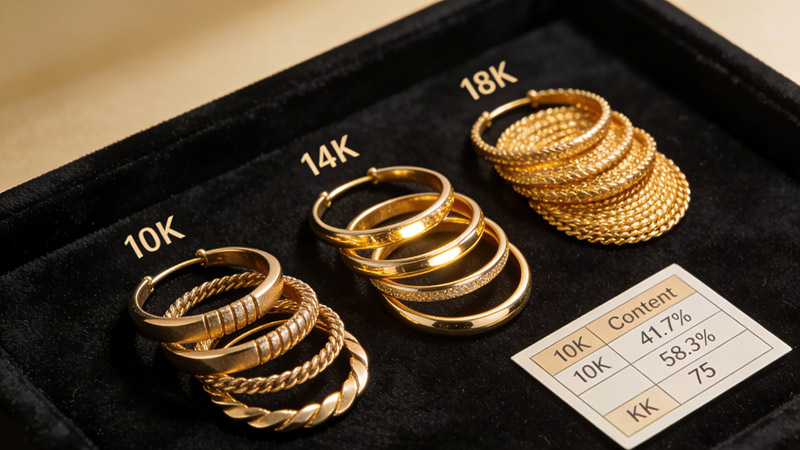
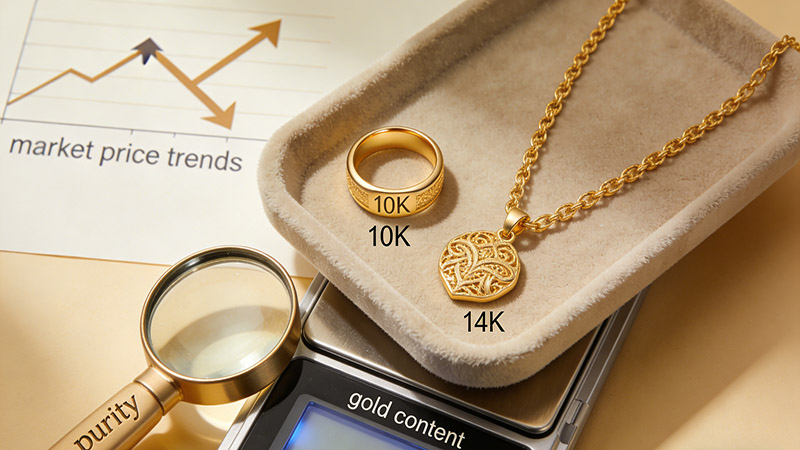
Gold jewelry is not only for wearing, but you can also resell it in the future. One of the major advantages of buying a gold item is that it holds some level of resale value. The resale amount depends on the gold content, karat, condition, and current market price. Higher karat gold retains better value because of a higher percentage of pure gold. When reselling gold, the brand name or decorative elements do not add value, but the gold content brings a better return.If you are looking for a long-term investment, then 14K and 18K are practical choices with more gold content.
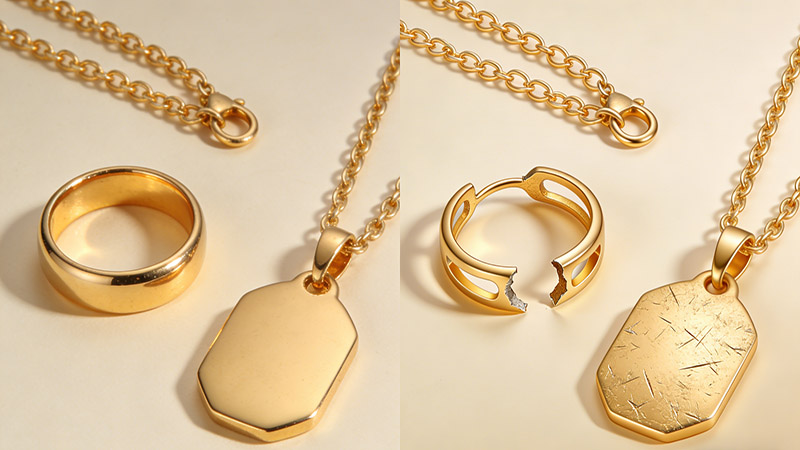
Another important factor is condition and quality. Jewelry that is well-maintained, free from heavy damage, and not overly worn will always resell better. Broken chains, bent rings, or heavily scratched surfaces may reduce resale value, regardless of karat. Fine jewelry pieces with solid construction also tend to perform better in resale than hollow or ultra-light designs.
In short, if resale value matters to you, think beyond just the look. Consider karat, gold content, and how well the piece will hold up over time.
Fine Jewelry Types and Design Choices
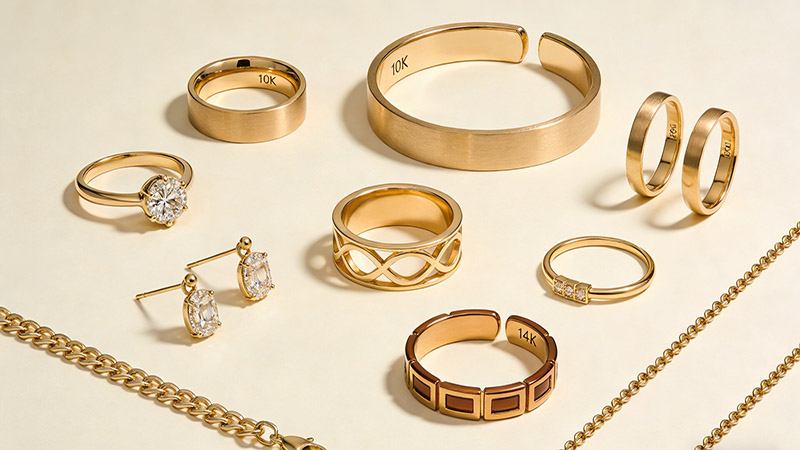
Gold jewelry comes in a wide variety of styles, designs, and finishes. From engagement rings and wedding bands to earrings, bracelets, and chains, there’s a gold option for every taste and lifestyle. 10K gold is extremely popular for everyday use. Because it’s stronger, it works well for modern, minimal styles as well as bold statement pieces.
Higher karat gold, such as 14K and 18K, is often used for finejewelry pieces. These include engagement rings, luxury chains, and custom designs that require a better balance.
Conclusion
Choosing the right gold karat comes down to understanding your lifestyle, budget, and personal taste. If you need something strong and reliable for everyday jewelry, lower karats like 10K offer excellent durability. If you want a better balance of strength, beauty, and long-term value, 14K gold stands out as the most versatile option.
Find Your Perfect Gold for Everyday Luxury
Select your preferred gold purity (K-gold) and explore stunning color options.
At Missjewelers,A professional jewelry manufacturer with over 10 years of experience, Providing support to users worldwide.Contact us today to get a quote, free design consultation, and fast production support.
FAQs
1. Which gold karat is best for everyday jewelry?
14K gold is the right choice as it offers a better balance of durability, appearance, and gold value. It’s strong enough for daily wear while still maintaining an attractive finish.
2. Does higher gold content mean better quality?
Higher gold content means a higher percentage of pure gold, which results in a richer appearance and better resale value. However, higher gold content also makes the jewelry softer, so quality depends on how and where you plan to wear it.
3. What gold color should I choose: yellow, white, or rose?
This depends on personal style. Yellow gold offers a classic look with a rich yellow color, white gold provides a sleek and modern appearance, and rose gold delivers a warm, romantic tone that’s very popular in contemporary designs.
4. Are higher karat gold pieces good for intricate designs?
Yes, higher karat gold, like 18K, is often used for intricate design work. Its softness allows jewelers to create detailed patterns, making it ideal for luxury and custom fine jewelry pieces.
5. Which gold karat offers the best long-term value?
In terms of long-term value and resale, 14K and 18K gold perform better due to their higher gold content. They retain value well while still offering beauty, durability, and a deeper color that many buyers prefer.