
Introduction
Bracelet trends in 2026 will focus on personalization, curated stacking, mixed metals, sculptural forms, colored gemstones and tennis bracelets designed for everyday wear. Consumers want jewelry that expresses identity, coordinates easily with other pieces and remains comfortable during regular use. For jewelry brands, these preferences create opportunities to build recognizable collections with stronger repeat-purchase potential. However, a visually attractive bracelet is not always suitable for stable bulk production. This guide explains which trends offer the best balance between retail appeal, material choice, production reliability, manageable MOQ and lower inventory risk.
Which Bracelet Trends Will Matter Most in 2026?
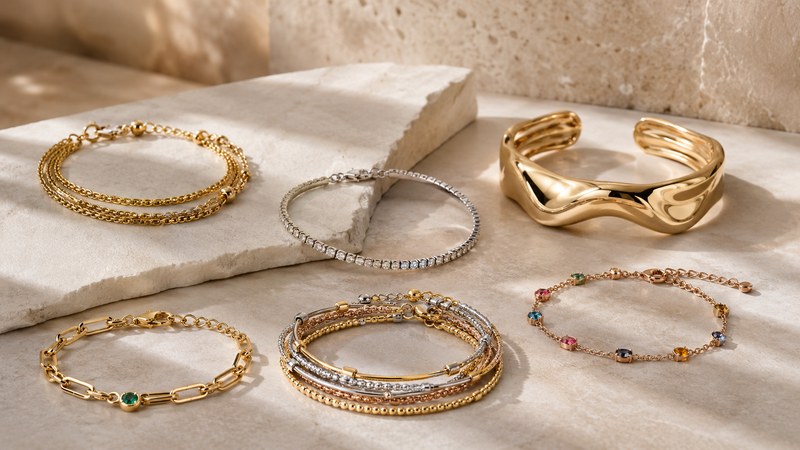
The most important 2026 bracelet trends combine visible individuality with practical product systems. Personalized charms, matching stackable chains, everyday tennis bracelets, mixed metals, sculptural cuffs, colored gemstones, organic pearls and lighter chunky chains all give brands room to develop multiple SKUs from shared components.
| Trend | Best Products | Recommended Materials | Staying Power | Production Risk | Best Buyer |
|---|---|---|---|---|---|
| Personalized charms | Charm chains and initials | 925 silver, brass, stainless steel | High | Medium | DTC and gift brands |
| Stackable chains | Thin chains and bangles | Silver, plated brass, gold | High | Low¨CMedium | Boutiques |
| Tennis bracelets | Classic and bezel styles | Silver, gold, moissanite | High | Medium¨CHigh | Bridal and premium brands |
| Mixed metals | Chains and bangles | Two-tone plating | Medium¨CHigh | Medium | Fashion brands |
| Sculptural cuffs | Open cuffs and wide bangles | Brass, silver, stainless steel | Medium | Medium | Design-focused brands |
| Colored gemstones | Bezel and station bracelets | Silver, gold, lab stones | Medium¨CHigh | Medium¨CHigh | Seasonal collections |
| Organic pearls | Pearl chains and irregular beads | Freshwater pearl, silver | Medium | Medium | Gift and lifestyle brands |
| Chunky chains | Cuban and curb bracelets | Silver, steel, brass | High | Medium | Streetwear brands |
Staying power does not automatically mean lower production risk. Tennis bracelets and chunky chains may support reliable sales, but they require closer control of stone setting, clasp strength, link movement, product weight and high-friction surfaces.
How We Evaluated These Bracelet Trends
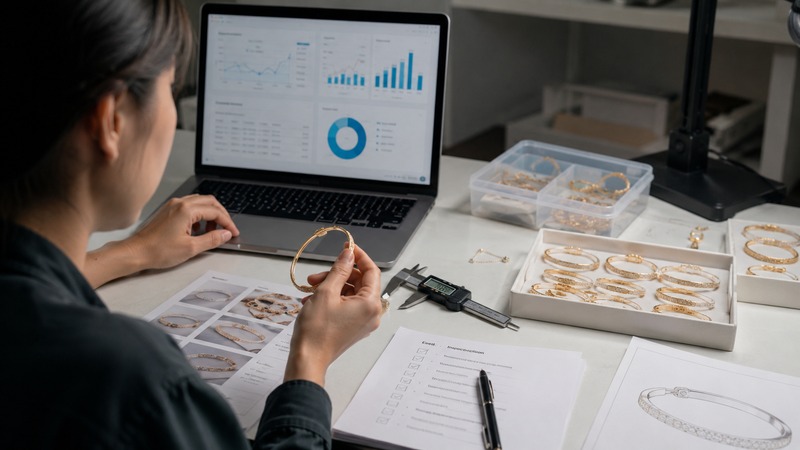
A useful trend should be judged by more than social-media visibility. Jewelry brands should compare search interest, retailer launches, customer inquiries, reorder potential, production repeatability and expected return risk before committing inventory.
Missjeweler evaluates bracelet trends from both a commercial and manufacturing perspective. A suitable product must be easy to sample, measurable during inspection and repeatable across bulk orders. This process-based approach is consistent with the quality-management principles outlined by ISO 9001.
Why Some Bracelet Trends Fail in Bulk Production
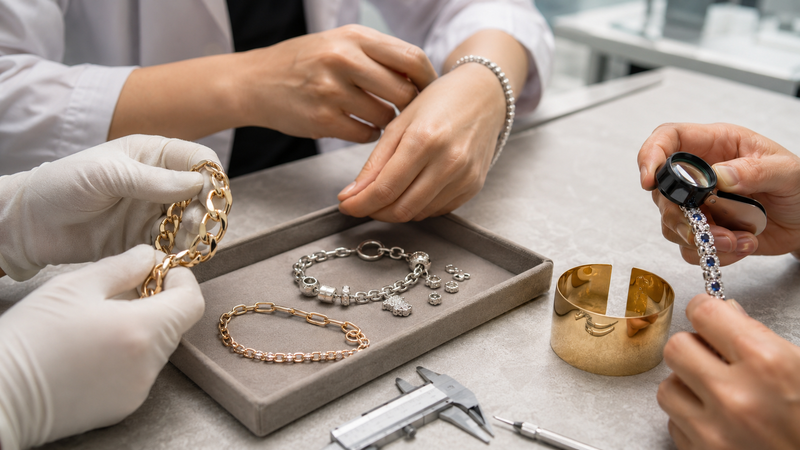
Bracelets face more movement and friction than many earrings or pendants. Links rub against each other, clasps open repeatedly, inner surfaces contact the wrist and charms move continuously during wear.
These conditions increase the risk of plating wear, weak solder joints, stone loss and uncomfortable edges. Small charms may tangle, dense stone settings may require more rework and wide solid cuffs may feel much heavier than expected.
One attractive sample does not prove that hundreds of units can be reproduced consistently. A trend is suitable for bulk buying only when it combines visual appeal, repeatable production, comfortable wear and acceptable after-sales risk.
What Buyers Should Check Before Stocking Trend Bracelets
Target Customer and Wearing Occasion
The intended customer should determine the bracelet structure, material and price level. Everyday products need comfortable edges and dependable finishes, while bridal or premium gift collections may justify higher stone-setting and precious-metal costs.
Brands should define whether the bracelet is intended for everyday wear, gifting, bridal, luxury, streetwear or impulse buying through social commerce. This prevents a visually attractive product from being developed for the wrong price or wearing occasion.
Bracelet Size and Adjustability
Bracelet dimensions must be recorded before sample approval. Buyers should confirm total length, wearable length, extension-chain length, inner diameter, cuff opening, adjustable range, bracelet width and total weight.
Product photography cannot confirm fit or comfort. Two bracelets may look identical online but feel completely different when their length, thickness or total metal weight changes.
Material and Plating Specifications
The visible gold color does not describe the complete material structure. Buyers should record the base metal, plating color, target thickness, tolerance, measurement point, underlayer and protective coating.
Destination-market requirements should also be reviewed before making material claims. The ECHA REACH restriction list provides authoritative information about restricted substances relevant to products sold in the European market.
Closure and Structure
Every functional component needs a measurable inspection standard. Lobster clasp force, toggle alignment, box clasp security, safety chains, jump-ring closure, link movement, hinge durability and solder strength should all be checked.
For stone-set bracelets, the complete bracelet should be flexed carefully during inspection. This helps identify loose stones, rigid links or settings that perform well when flat but fail during normal movement.
MOQ and Reorder Potential
The safest collections reuse standard components across multiple products. One chain or clasp can support different charms, stone colors, finishes and logo details without requiring every SKU to be developed from the beginning.
Brands should prioritize standard sizes, repeatable materials and designs that can be replenished easily. This lowers development costs and reduces the risk of holding large quantities of low-frequency SKUs.
Personalized Charm Bracelets Become More Modular
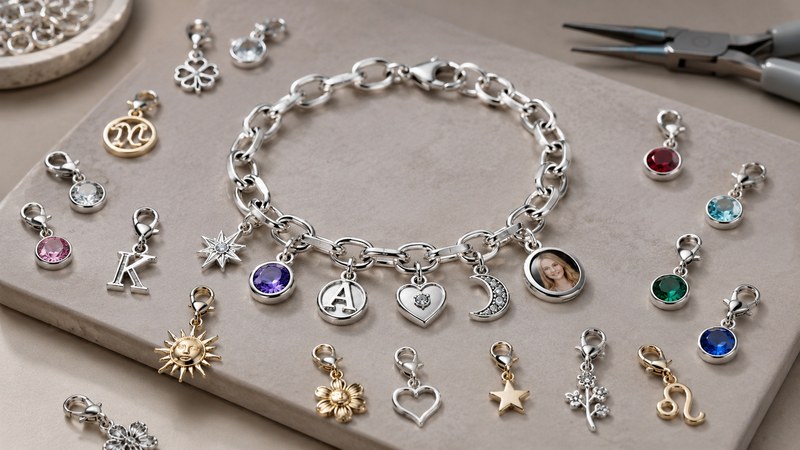
Personalized bracelets will move from fixed charm combinations toward modular systems. Initials, birthstones, zodiac symbols, logos, photo charms and meaningful icons can all be developed around the same basic chain.
Recommended products include initial bracelets, birthstone styles, zodiac charms, logo charms and build-your-own systems. Suitable materials include 925 sterling silver, gold plated brass, stainless steel and 10K or 14K gold for premium collections.
The main risks are reversed letters, inconsistent charm sizes, incomplete jump-ring closure and spelling mistakes. Small recessed surfaces may also be difficult to polish and plate evenly.
Brands should begin with one reliable base chain and a limited library of popular charms. Common letters and symbols can be stocked, while lower-frequency options can be produced after an order is placed.
Stackable Bracelets Shift Toward Curated Matching Sets
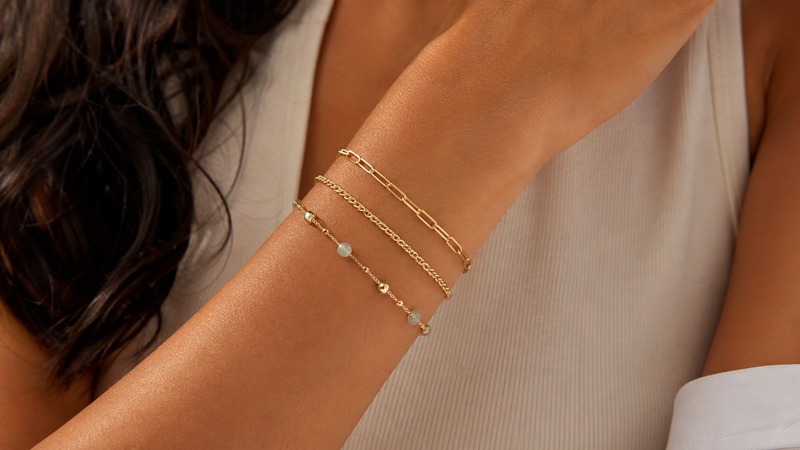
Stacking will remain important, but combinations will become more coordinated. Consumers will choose sets that use complementary chain widths, textures, metal colors and small gemstone details instead of unrelated bracelets.
Recommended products include thin curb chains, paperclip bracelets, rope chains, minimal bangles and beaded station designs. Three-piece sets can increase average order value while keeping each product visually simple.
The main risks are tangling, similar bracelet lengths, weak fine chains and inconsistent plating colors. One poorly made bracelet can also reduce the perceived quality of the complete set.
A practical collection should use one core bracelet with two trend-led additions. Each piece should work independently and as part of a set, giving retailers more pricing and merchandising options.
Tennis Bracelets Become More Suitable for Everyday Wear
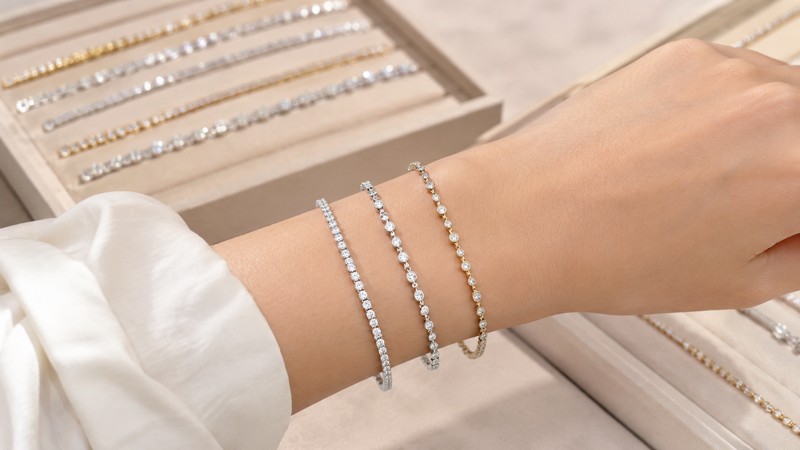
Tennis bracelets will continue moving from formal jewelry into everyday collections. Smaller stones, low-profile settings, bezel designs and lighter structures make them easier to wear with casual clothing.
Recommended options include classic prong-set, bezel-set, graduated, colored and mixed-shape tennis bracelets. Moissanite can provide strong brilliance, while laboratory-grown gemstones and cubic zirconia support different retail price levels.
Buyers should inspect stone size, setting height, prong smoothness, link flexibility and clasp strength. The box clasp, safety catches and stone security should still perform correctly after the bracelet is repeatedly bent.
GIA gemstone education can help brands communicate gemstone characteristics accurately. However, the durability of a finished tennis bracelet still depends on its setting, links, clasp and manufacturing quality.
Brands should first test one standard length and one or two stone sizes. Additional metal colors and higher-value versions should be added only after the original structure performs reliably.
Mixed-Metal Bracelets Make Styling More Flexible
Mixed-metal bracelets help customers combine gold and silver jewelry more easily. Two-tone links, gold details on silver bangles and interlocking components can coordinate with pieces customers already own.
Recommended products include two-tone chains, mixed-link bracelets, interlocking ring styles and watch-inspired designs. Partial gold details are usually easier to wear than a bracelet divided equally into two colors.
Production control should focus on clean color boundaries and batch repeatability. Uneven separation, color variation around solder points and different wear rates between finishes can weaken the final result.
The lower-risk approach is to add a mixed-metal version to an existing bestseller. This introduces a new visual option without changing the proven chain, clasp and dimensions.
Sculptural Cuffs Add Stronger Visual Identity
Wide cuffs, wave shapes, irregular openings and molten-metal finishes can create immediate brand recognition. These designs photograph well and suit editorial collections, seasonal campaigns and social-commerce launches.
Brass, sterling silver and stainless steel can support sculptural forms. Hollow or semi-hollow construction may reduce weight, but the wall thickness and resistance to deformation must still be tested.
The main risks are excessive weight, poor fit, sharp edges and inconsistent polishing. Repeatedly adjusting an open cuff can also damage the plating around curved or stressed areas.
Buyers should approve total weight, inner diameter, opening width, edge smoothness and flexibility before ordering. Large sculptural products are better tested through low-MOQ samples than approved from images.
Colored Gemstones Bring Seasonal Variation
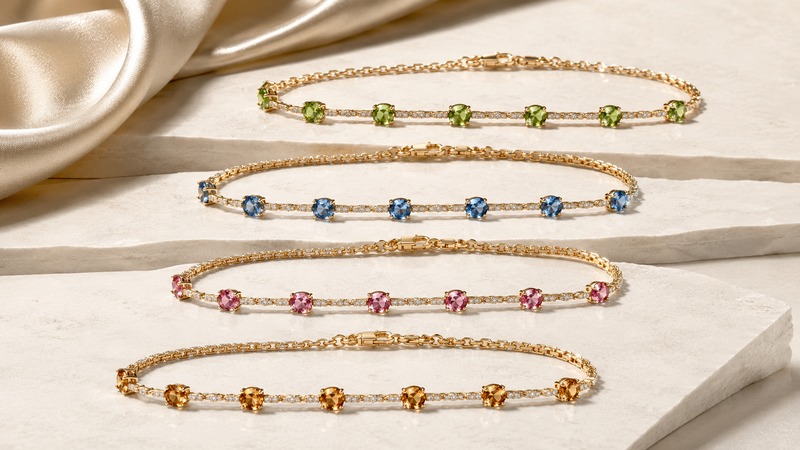
Colored gemstones allow brands to create new seasonal stories without changing the basic bracelet structure. Green, blue, pink and warm tones can be applied to station bracelets, birthstone products and rainbow tennis styles.
The main challenge is maintaining stone-color consistency between samples, production and reorders. Different batches can vary in tone, saturation and clarity, while very small stones may be mixed during setting.
Laboratory-grown gemstones and standardized cubic zirconia colors may provide more predictable replenishment for fashion collections. The approved stone arrangement and color reference should be stored with the product specification.
Brands should limit the first release to a controlled number of reliable colors. More shades can be added after sales data identifies which options deserve repeat inventory.
Pearls Return in Less Traditional Designs
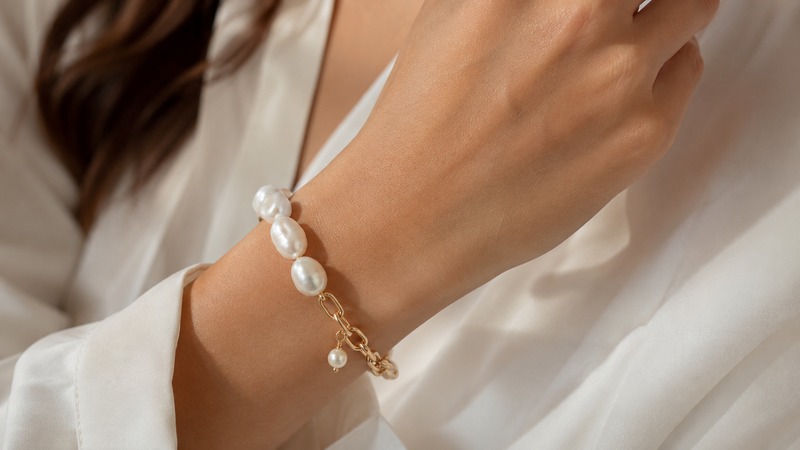
Pearl bracelets will move beyond complete rows of uniform round pearls. Baroque pearls, asymmetrical arrangements, pearl charms and combinations of pearls with metal chains create a younger and more flexible appearance.
Recommended products include pearl chain bracelets, baroque styles, pearl charms and mixed pearl-and-metal designs. These products are particularly suitable for gifting, lifestyle and contemporary feminine collections.
Natural variation must be clearly defined in the product specification. Buyers should record acceptable ranges for pearl size, shape, color, surface condition and drilling position.
Glue marks, scratches and poor balance between the pearl and chain should also be checked. Protective packaging is essential because pearl surfaces can be damaged by contact with harder metal parts during transportation.
Chunky Chains Move Further Into Unisex Collections
Cuban, curb and rounded-link bracelets will remain important across streetwear and gender-neutral collections. In 2026, more wearable versions will use smoother edges, moderate widths and lighter construction.
Stainless steel, 925 sterling silver and gold plated brass are practical options. Hollow or semi-hollow structures can reduce weight, although they may require closer inspection for dents and deformation.
Buyers should check total weight, link movement, visible solder, clasp load and friction between adjacent links. Repeated metal contact can wear plating faster on internal surfaces and edges.
Width, length and weight must be approved together. A bracelet can look unchanged in a photograph while using thinner metal, lighter links or a weaker clasp.
Which Bracelet Trends Should Different Buyers Stock?
Startup Jewelry Brands
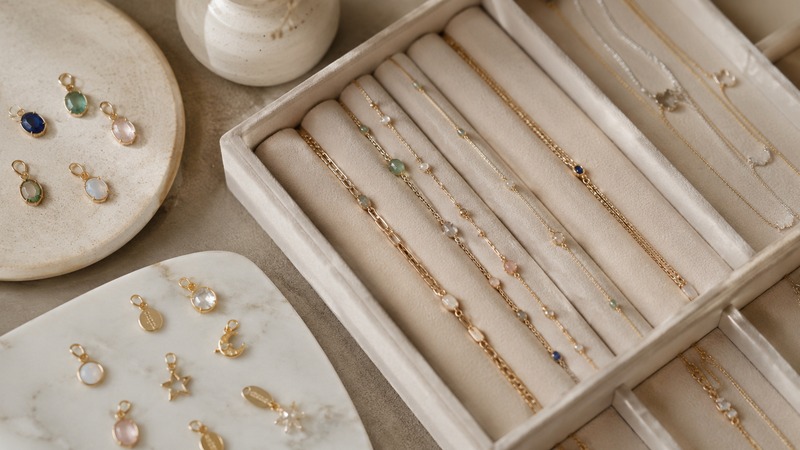
Startup brands should prioritize personalized charms, thin stackable chains and minimal gemstone bracelets. These categories can share components, begin with fewer SKUs and support made-to-order customization.
They normally create less inventory pressure than sculptural cuffs or densely set tennis bracelets. New brands can expand colors and charms only after demand has been confirmed.
Boutiques and Shopify Stores
Boutiques can use curated stacking sets, mixed metals, pearls and colored gemstones. These styles provide clear visual variation and work well for gifting and seasonal merchandising.
Products that can be sold individually or as coordinated sets give retailers more flexible price points. They can also encourage customers to return and complete a collection.
Established Jewelry Brands
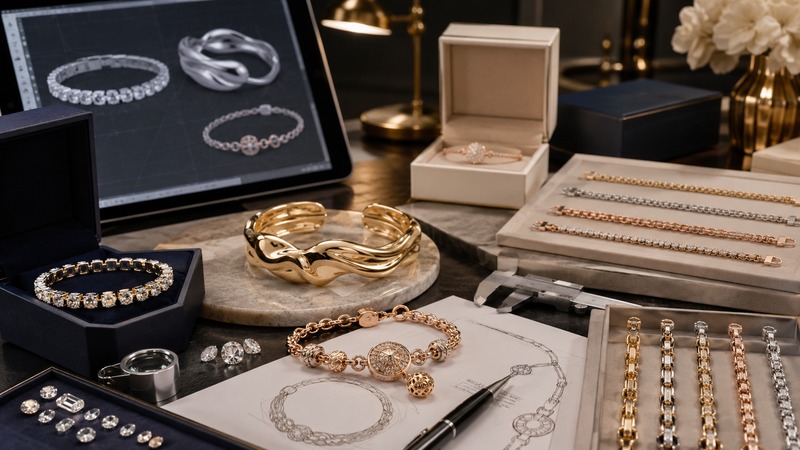
Established brands can invest in moissanite tennis bracelets, sculptural cuffs and premium personalized designs. These products may require more CAD work, sampling, testing and packaging development.
Larger brands are better positioned to build multiple material and price levels around one proven design. They can also support more detailed quality standards and replenishment planning.
Streetwear and Unisex Brands
Streetwear brands should consider Cuban links, curb bracelets, logo plates and mixed-metal chunky chains. These designs provide visible identity without depending on delicate gemstone details.
The critical approval points are weight, clasp strength, solder quality, link movement and plating wear. Moderate widths may reach a wider audience than extremely heavy bracelets.
What Makes Trend Bracelets More Expensive to Produce?
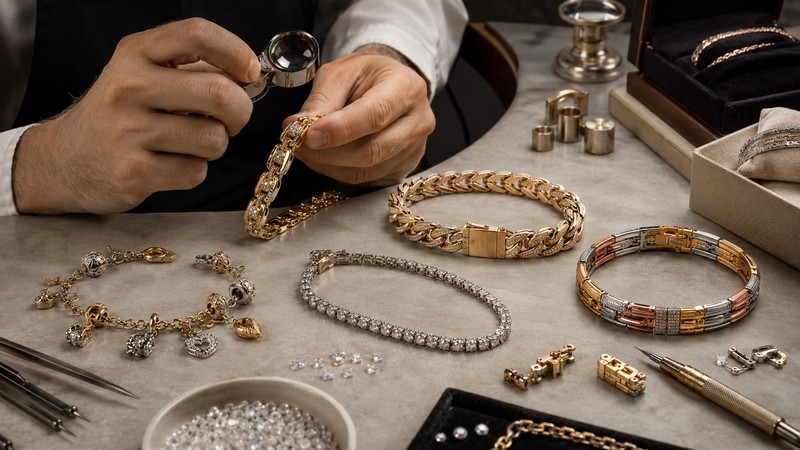
Production cost increases with metal weight, chain complexity, stone quantity, matching requirements and manual setting time. Multi-color plating, custom clasps, movable parts, engraving, detachable charms and small production quantities can also raise costs.
Custom packaging, additional testing and more detailed final inspection affect the quotation as well. A bracelet with many moving or decorative components normally requires more assembly and quality-control time.
The lowest price may reflect thinner metal, lighter chains, smaller stones, thinner plating or fewer inspections. Buyers should compare complete specifications instead of comparing only the unit price.
Brands selling into the United States should also review the FTC Jewelry Guides. Material, fineness and product claims should accurately describe what the customer will receive.
How to Test Bracelet Trends Before Bulk Orders
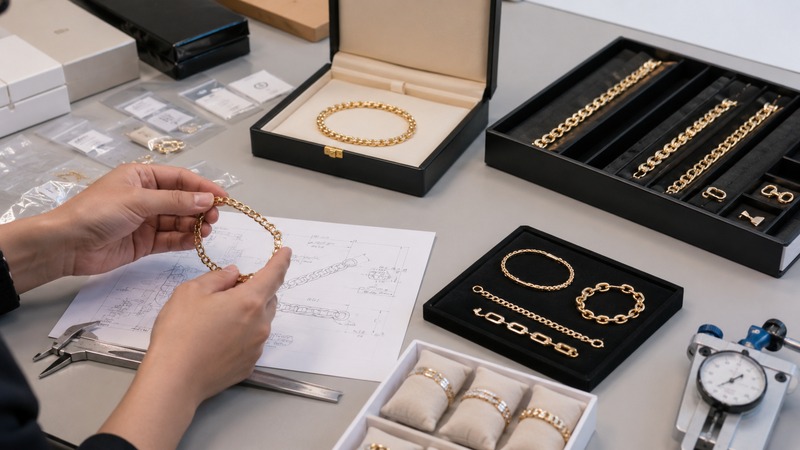
Begin with one or two trends and a limited number of base SKUs. Confirm dimensions, weight, wearing comfort, clasp force, link movement, stone security and plating before sealing the approved sample.
Every material, stone, closure, logo and packaging detail should be recorded. The approved sample should become a measurable production reference rather than only a visual reference.
A small production run can then be compared with the sample. Brands should monitor clicks, add-to-cart rates, returns, customer feedback and reorder demand before adding more colors or sizes.
A practical inventory model is 60% core, 25% trend and 15% experimental. Core products can include tennis bracelets and basic chains, while experimental inventory may include sculptural cuffs and unusual modular systems.
Bracelet Sample Checklist Before Bulk Approval
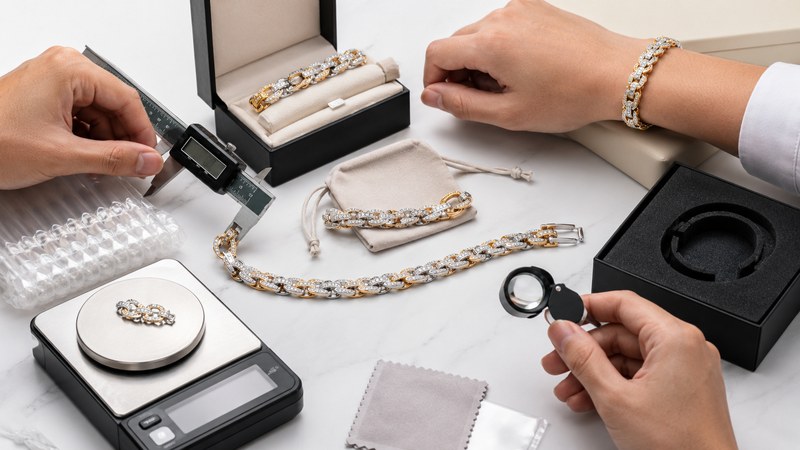
Check dimensions and comfort: total length, wearable length, inner diameter, extension chain, opening width, product width, total weight and edge smoothness.
Check structure and function: link movement, clasp force, safety chain, jump-ring closure, hinge durability, solder quality and adjustable components.
Check stones and surfaces: stone size, color, security, prong smoothness, plating tone, plating thickness, polishing quality and high-friction coverage.
Check branding and packaging: logo position, logo direction, SKU accuracy, anti-tangling protection, surface protection and consistency with the approved sample.
What to Include in a Bracelet RFQ
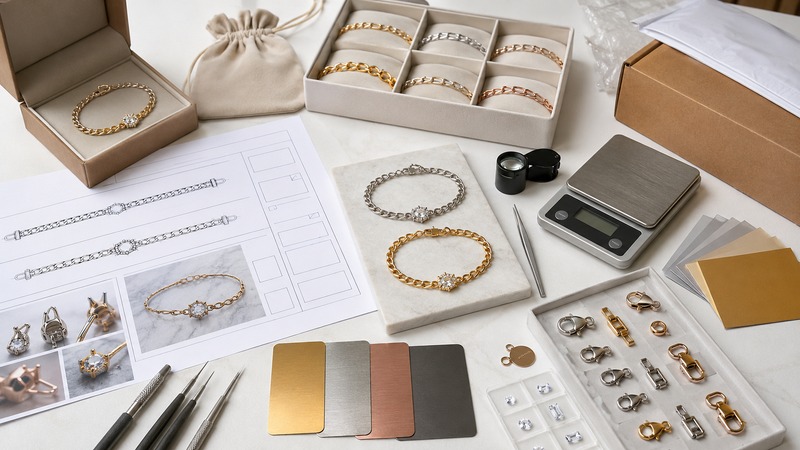
A complete bracelet RFQ should include the category, reference image, dimensions, target weight, base metal, plating color, plating thickness, stone type, stone size, setting method and clasp type.
Buyers should also provide logo files, quantity per SKU, target market, packaging requirements, sample quantity and required delivery date. Testing or compliance requirements should be confirmed before sampling begins.
A detailed RFQ produces a more reliable quotation and reduces unnecessary sample revisions. When a target retail price is available, the manufacturer can recommend realistic material and structure options without silently reducing quality.
How Missjeweler Supports Bracelet Development
Missjeweler supports jewelry brands from design review to final inspection. Services include CAD development, low-MOQ samples, material selection, moissanite and gemstone matching, plating specifications, logo details and custom packaging.
Each approved sample is converted into a clearer production reference. Dimensions, weight, materials, stone details, finish, clasp requirements and packaging can be recorded before bulk production begins.
In-process checks and final inspection help control sample-to-bulk differences. The purpose is to support reliable reorders, not simply encourage buyers to place the largest possible first order.
Conclusion
The strongest bracelet trends for 2026 combine personalization, coordinated styling, everyday wear and clear material expression, but brands should prioritize designs that can be produced consistently and replenished easily. A controlled low-MOQ test supported by measurable specifications gives buyers more reliable information than trend popularity or product photography alone.
Develop Your 2026 Bracelet Collection with Missjeweler
Start with a low-MOQ sample, verify every material and production detail, and confidently scale the bracelet designs your customers love. Send Missjeweler your concept today for a clear quotation and practical manufacturing recommendations.
Frequently Asked Questions
What bracelets will be popular in 2026?
Personalized charms, stacking sets, everyday tennis bracelets, mixed metals, sculptural cuffs and colored gemstone designs are strong categories to watch.
Are charm bracelets still trending in 2026?
Yes, modular initials, birthstones, symbols and removable charms give customers more ways to personalize one base bracelet.
Are tennis bracelets suitable for everyday collections?
Yes, smaller stones, lower settings, flexible links and secure clasps make tennis bracelets more suitable for daily wear.
Which bracelet trends are safest for small brands?
Thin chains, personalized charms and simple stacking sets usually offer lower inventory risk and easier collection expansion.
What should buyers inspect before ordering in bulk?
Buyers should check length, weight, clasp strength, link movement, stone security, plating, edge comfort and sample-to-bulk consistency.