
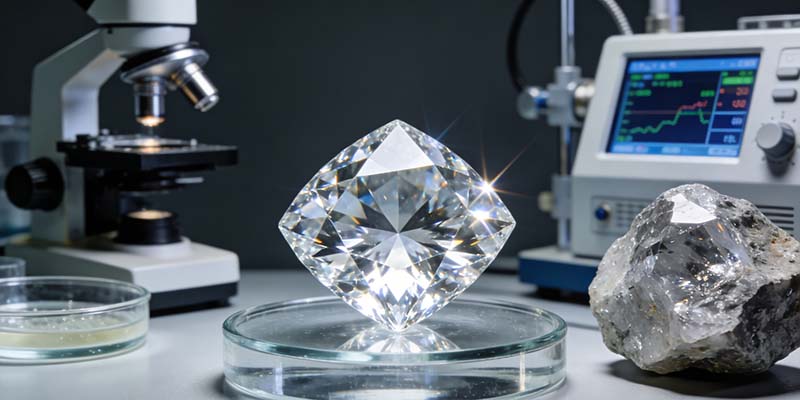
Do you wanna buy lab grown diamonds but sill wanna double check either its worth invsting it or not? W e are here to help you make a better decision. With our years of expeirince in diamond market, we have eyewitnessed a huge growth in demand for lab-grown diamonds.
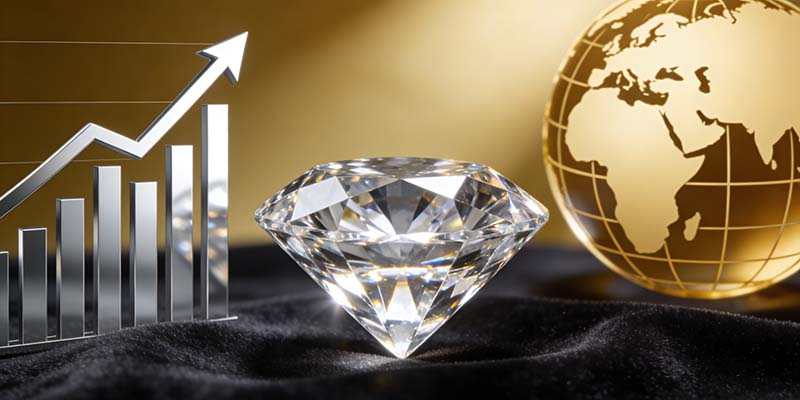
For your surprise, it is to say that lab grown diamond market is expected to hit $51.9 billion in 2030. So, should you also invest in them or not? To know the answer to this question, stay with us. As here, we will walk you through each and every real aspect about lab grown diamonds. With the help of our experts’ guidance, we will talk about the pros and cons of buying the best lab grown diamond. Let’s get started.
Are Lab-Grown Diamonds Real?
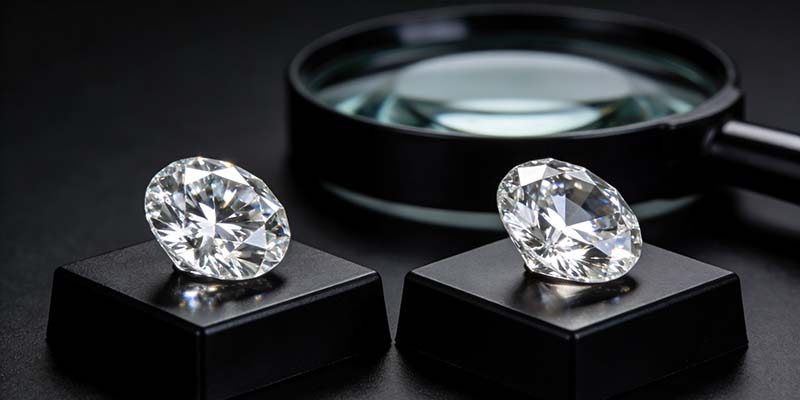
Yes, definitely, these lab-created diamonds are real. According to our experts dealing with diamonds, when counterplaced, no one can say which one is earth-mined and which one is synthetic just by seeing with the naked eye.
Identical Physical and Chemical Properties
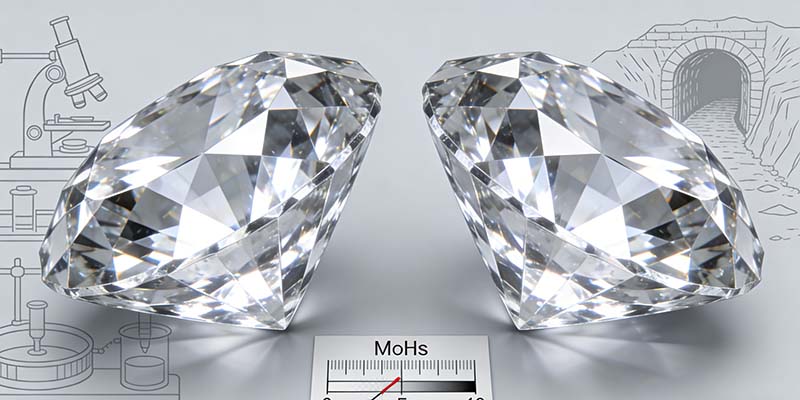
Lab grown diamonds show identical crystal structure, optical properties, chemical composition, spark and lustre. With same chemical composition made of pure carbon, they show 10 hardness on the Mohs scale, as shown by earth-mined diamonds. These optically identical diamonds only difference that makes both diamonds different is how they are formed.
Certified by Global Gemological Institutes
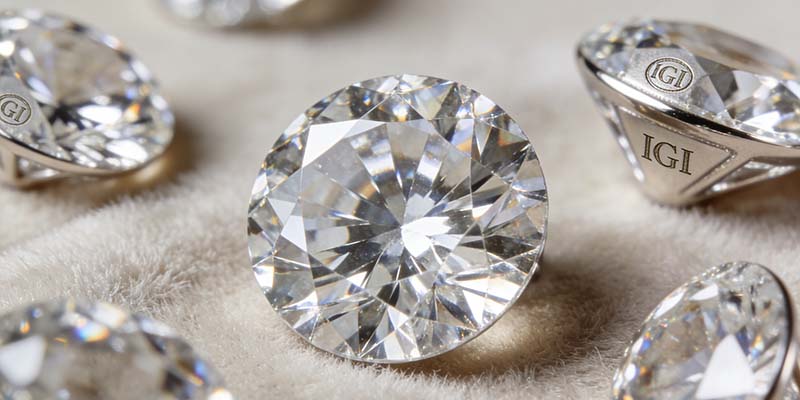
The international institutes which serve as a gold standard for grading diamonds also approved these diamonds as real. These institutes include IGI (International Gemological Institute) and GIA (Gemological Institute of America). It means IGI-certified lab diamonds offer same value as natural diamonds.
Here are the properties of lab grown diamonds that are exactly the same as natural diamonds:
| Property | Scientific Truth |
|---|---|
| Chemical Composition | Pure carbon (C) |
| Crystal Structure | Cubic crystal system |
| Hardness | 10 on Mohs scale |
| Refractive Index | 2.42 |
| Optical Dispersion | 0.044 |
| Thermal Conductivity | Very high heat conductivity |
| Electrical Properties | Electrical insulator |
| Density (Specific Gravity) | 3.52 g/cm |
What Is a Lab Diamond?
Lab diamonds, which are also known as synthetic diamonds, are grown in well-controlled environments in labs. It is done by using advanced techniques that replicate the same environment required for the natural growth of diamonds. The two primary methods are HPHT (High Pressure High Temperature) and CVD (Chemical Vapor Deposition).
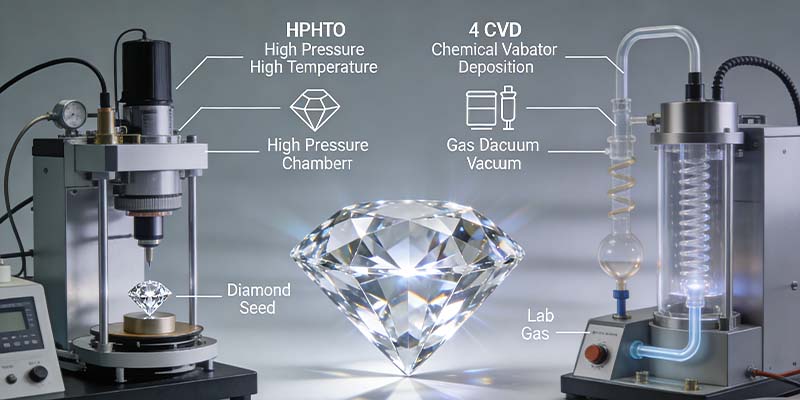
Both are effective methods to produce diodes with the same chemical properties as well as same refractive index and crystal structure. But is there any difference between CVD and HPHT grown diamonds? Yes, there is, but nobody is going to tell you. Here is how our experts explained them.
HPHT vs CVD
According to our experts, there is one visible factor that can help you identify the method through which your synthetic diamonds are made. The lab grown diamonds created through CVD may have a brown tint in them, and HPHT can have a blue tint.
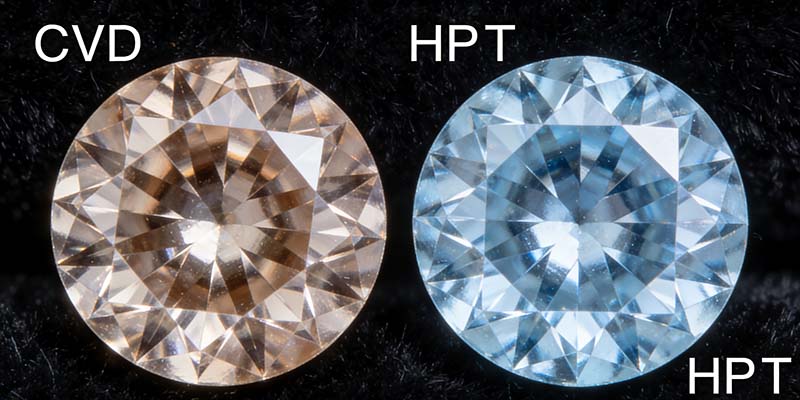
CVD (Chemical Vapor Deposition)
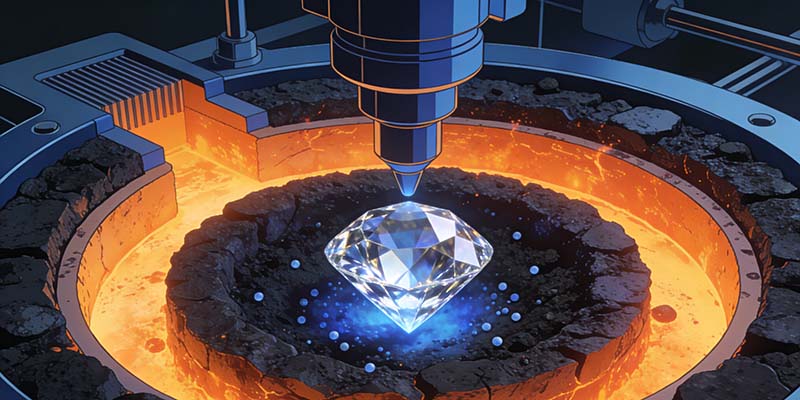
It’s because in CVD the diamond seed is placed in a vacuumed chamber with a plasma environment, and carbon-rich gas is introduced. The carbon atoms fall on the seed, making layers. If layers are building too fast, the diamond will get brown tinges when such lab grown diamonds are created.
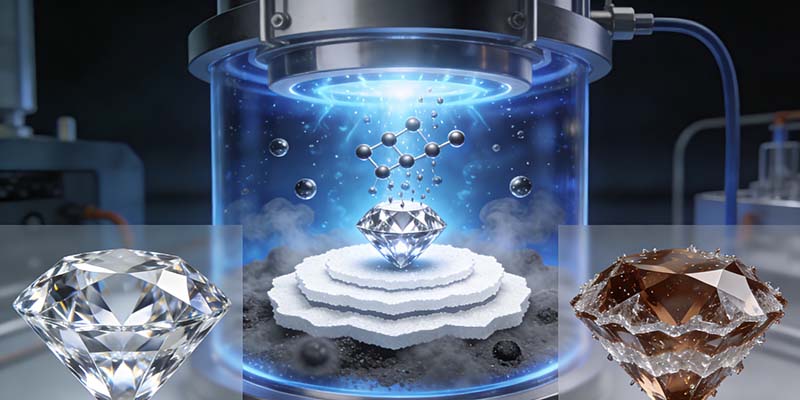
HPHT (High Pressure High Temperature)
However, in HPHT diamonds created are mostly high clarity. Here to create lab grown diamond the diamond seed is placed in carbon and subjected to intense heat and pressure. The temperature and pressure are mimicked to natural earth’s crust conditions for lab diamond creation. Under controlled settings here, temperature is kept around 1,500°C and pressures over 50,000 atm. But due to the presence of boron in the chamber, it might get some blue nuance. Compared to CVD, HPHT is the original method for producing clear lab-grown diamonds.
Differences of lab-created diamonds from moissanite/zircon
| Property | Lab-Grown Diamond | Moissanite | Cubic Zirconia (CZ) |
|---|---|---|---|
| Chemical Composition | Pure carbon | Silicon carbide (SiC) | Zirconium dioxide (ZrO) |
| Origin | Grown in lab using HPHT or CVD methods | Lab-created (naturally rare, from meteorites) | Fully synthetic |
| Hardness (Mohs scale) | 10 | 9.25-9.5 | 8-8.5 |
| Durability/Scratch Resistance | Excellent | Excellent | Moderate |
| Refractive Index (Brilliance) | 2.42 | 2.65-2.69 | ~2.15-2.18 |
| Appearance | Looks & behaves exactly like a natural diamond | Can look too sparkly | Bright but often dulls faster |
| Weight (Density) | Standard (same as natural diamond) | Slightly lighter | Heavier |
| Certification | GIA/IGI | IGI | Rarely certified |
Lab Diamond vs Natural Diamond – Side-by-Side Comparison
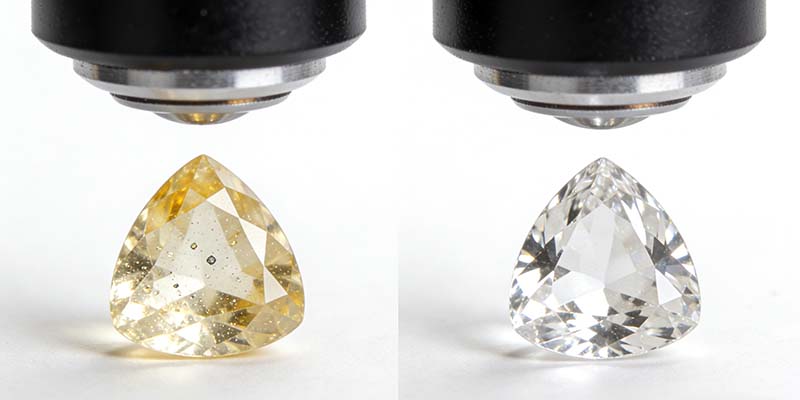
Well as we explained earlier, it’s not possible to distinguish lab-created diamonds and natural diamonds by the naked eye. But they can be distinguished in the lab by microscopic study by experts using special instruments. For example, natural diamondsmight have nitrogen content in them due to their growing environment. Now let’s perform a side-by-side analysis of these diamonds to understand them in more detail.
Investment and Long-Term Value
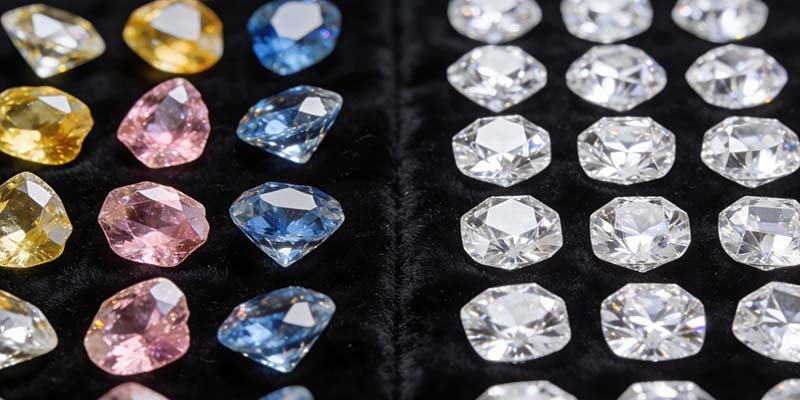
When it comes to value and long-term investment, natural diamonds still have the edge. This is because of the rarity of natural diamonds. Each natural diamond is unique in colour and shape as well, making it more valuable. The efficient production according to demand for men made diamonds is one major factor that a decrease in its value as soon as it goes out of the store. Natural diamonds retain 50 to 70% of their value, whereas lab-grown diamonds retail for 30 to 40% of their value.
Growing Demand for Lab-Grown Diamonds
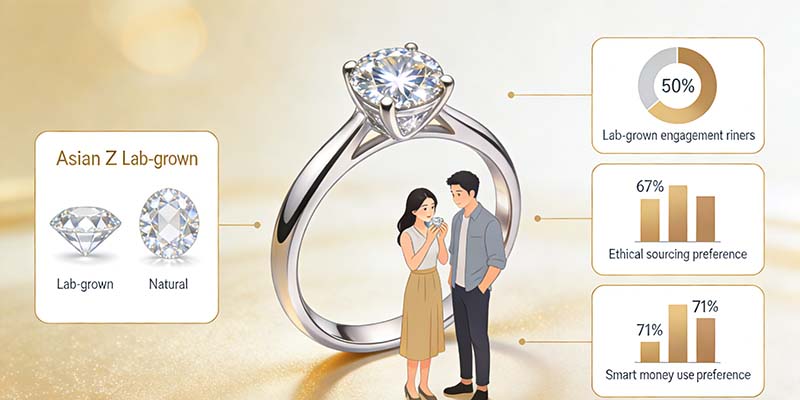
Lab grown diamonds have shown a huge increase in their demand compared to natural diamonds, so that about 50% of engagement rings now carry lab grown diamonds. This transformation is derived by Gen Z. It’s because about 67% of Gen Z prefer ethical sourcing and 71% prefer smart use of money. As both diamonds ooze same luxury and visible appeal.
Price Comparison
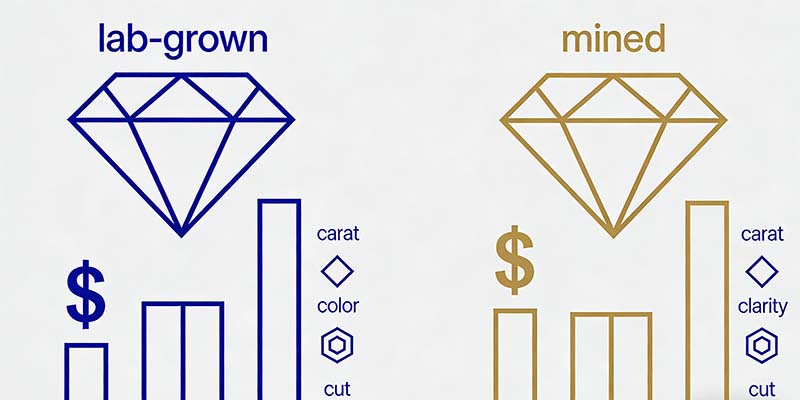
In terms of price, the men made diamonds win the gameover mined diamonds. These are 60-85% cheaper compared to mined diamonds with same 4Cs. For example, a 1-carat F-colour VS2 will cost around $1,000-$1,500 if it’s a lab diamond, whereas if it’s natural, it will cost about $5,000-$7,000.
Lab-Grown vs Natural Diamonds: Difference between lab grown and Natural
Here is table illustrating difference between lab grown and earth mined diamonds:
| Feature | Lab-Grown Diamond | Natural Diamond |
|---|---|---|
| Origin | Created in lab | Formed underground |
| Price | 60-85% cheaper | Higher |
| Chemical Structure | Carbon | Carbon |
| Hardness | 10 Mohs | 10 Mohs |
| Resale Value | Lower | Higher |
| Rarity | Unlimited | Limited |
Why Are Lab Diamonds So Much Cheaper Compared to Mined Diamonds?
Our diamond market experts have explained various factors which make lab diamonds cheaper compared to natural diamonds. Here are some:
Lower Production Costs
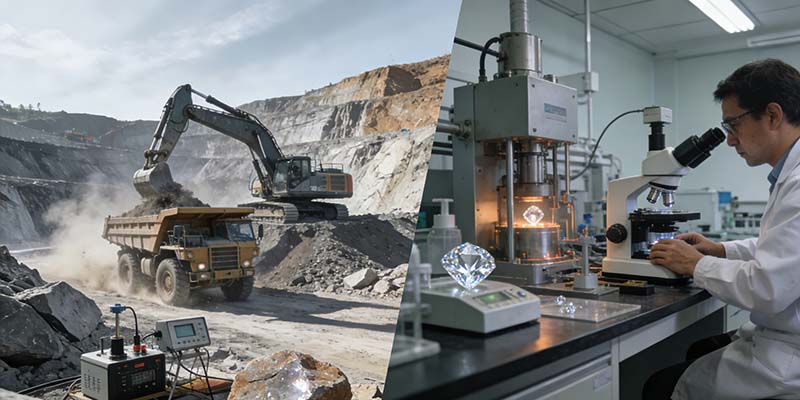
Extracting natural diamonds demands a billion-dollar project of mining diamonds from the earth’s mantle, including the use of heavy machinery, instruments and more, whereas lab diamonds just require a controlled lab environment. Lab diamonds are produced through advanced technological processes requiring less cost.
Faster Production and Scalability

For natural diamonds it takes millions of years to grow a diamond and hoa shorter supply chain. Whereas lab-created diamonds just require 2 to 10 weeks for chemical makeup. So they can be produced according to the demand.
Competitive Market Pricing
Not only this, but the synthetic diamond market has become highly competitive. Many retailers are selling them at quite low prices – about 60-85% less than natural diamonds.
High Diamond’s Quality and Identical 4Cs as Earth Mined diamonds
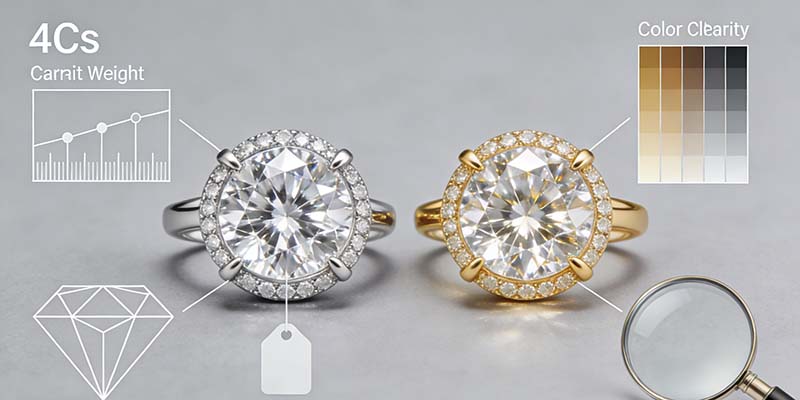
Last but not least, men made diamonds have high quality and same 4Cs as natural diamonds. In short, we can say that combined with low production cost and availability, synthetic diamonds are the cheaper ones.
Lab Diamond Price Trend (2018–2026 Market Data)
Natural diamond industry Lab diamond industry and faced huge shift in term of pricing from 2018 to 2021. Here is out expert break down:
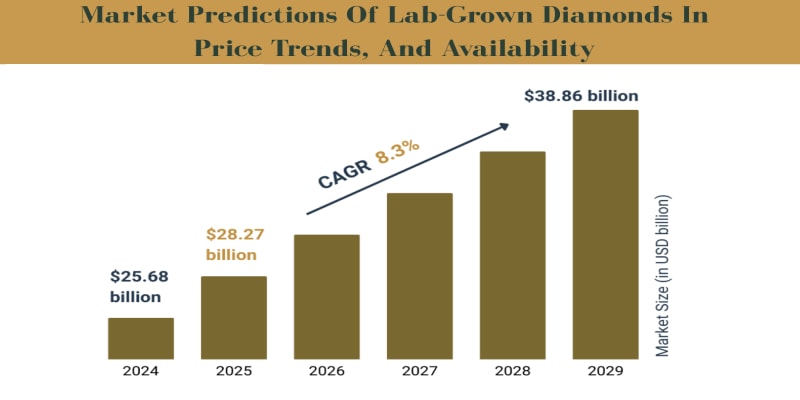
Early Pricing nad Trend
In the 2018–2020 period, lab‑grown diamonds carried relatively premium pricing. For example, in 2018 a polished lab-grown diamond was around 35–50% of an equivalent natural diamond in price.
A Rapid Decline
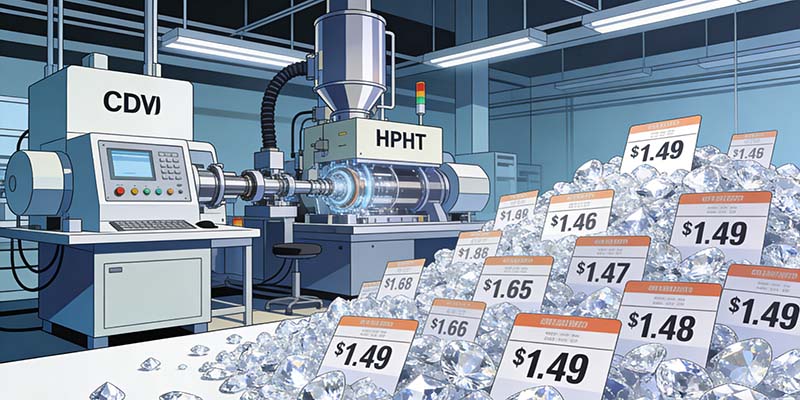
Moving from 2021 to 2023, the lab-grown sector saw a rapid supply increase. This was the result of successful adoption of CVD and HPHT technologies. The Wholesale prices for 1–1.49 carat lab diamonds fell by as much as 60% in 2023.
Continuel Decline
In 2024–2025, wholesale data indicate continued weakening in pricing. For instance Edahn Golan reportied around a 26% year‑on‑year drop in lab‑grown wholesale prices in 2025.
Future Outlook
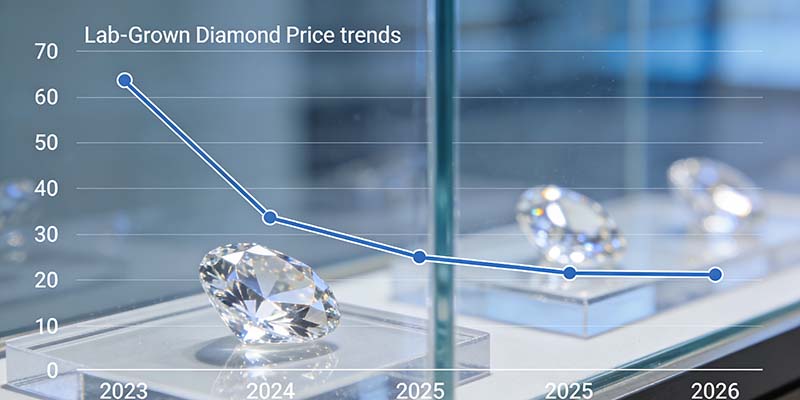
Looking ahead to 2026 and beyond, our analysts expect further normalization rather than collapse. Now prices are still declining but at a slower pace compared with earlier sharp falls. So there is chances that lan grown diamond market is going to be stable.
The Biggest Advantages of Lab-Grown Diamonds
- Lower price because of the efficient production and no diamond mining cost.
- You can get a same carat weight. diamond within your budget
- Synthetic diamonds are produced in a controlled lab environment, so no unethical mining through earth’s surface practices are involved.
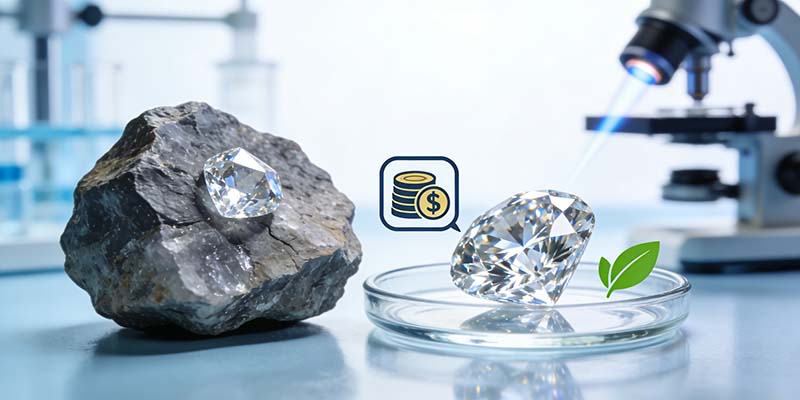
- Synthetic diamonds are produced using high-standard lab conditions. This resulted in a high-quality diamond no rough diamond stage.
- Lab-grown diamonds have a smaller environmental footprint compared to traditional mining.
Main Disadvantages Of Lab-Grown Diamonds
Despite the number of advantages, there are a number of disadvantages of lab grown diamonds; they still have many compared to natural diamonds.
- One of the primary concerns is poor resale value. For example, lab-grown diamonds typically recover only 10–40% of their original purchase price. This is closely linked to rapid price depreciation. Older lab-grown diamonds are less valuable over time.
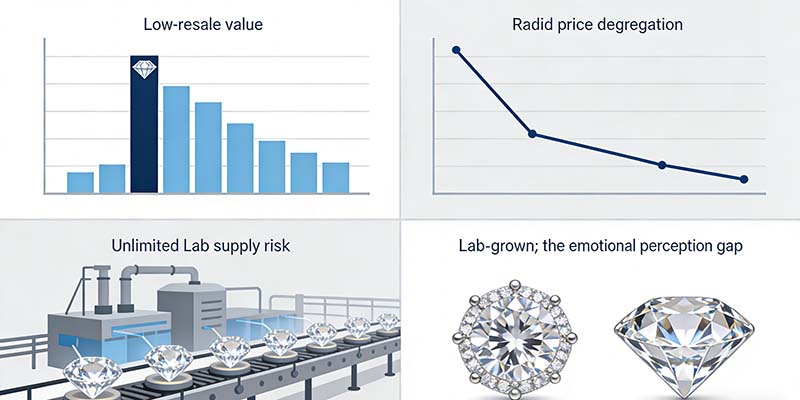
- One more aspect is unlimited supply risk. Because synthetic diamonds can be produced in large quantities. So, they lack the scarcity that supports long-term value and exclusivity.
- Beyond economic factors, many buyers encounter an emotional perception gap. This is because lab-grown stones may feel less meaningful or prestigious to those who value rarity, heritage, or tradition.
Do Lab Diamonds Hold Value?
Lab diamonds only retain about 30-40% of their original value after purchase. The main reason behind this capability is producing unlimited synthetic diamonds and a low secondary market.
Do Lab-Grown Diamonds Pass a Diamond Tester?
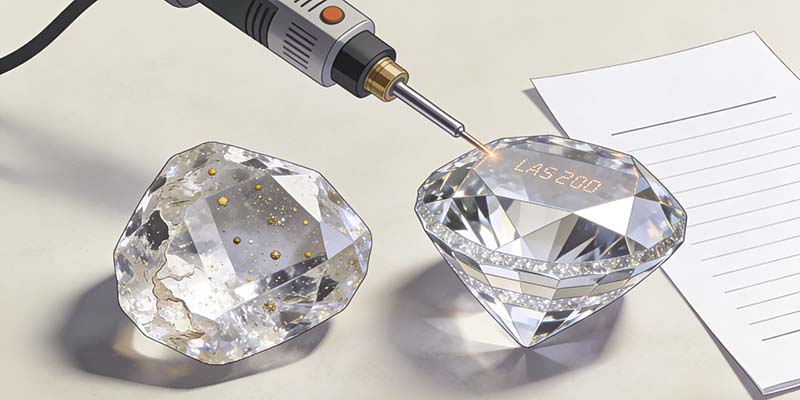
Our expert suggests that synthetic diamonds can pass basic diamond testers like thermal conductivity testers. To know the difference between synthetic and natural diamonds, special equipment in labs is used. They identify the growth pattern and trace elements. For example, a natural diamond will have traces of nitrogen in it. Moreover, the synthetic diamonds come with laser inscriptions. Proper documentation is necessary to know whether the diamond is organic or synthetic.
Are Lab Diamonds Worth It in 2026?
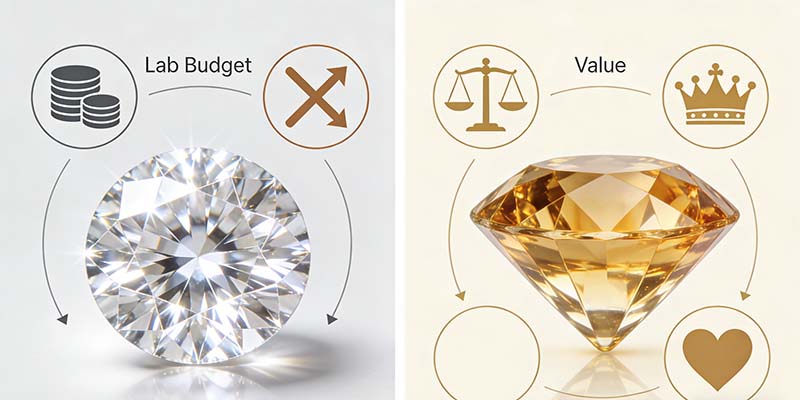
The worth of a diamond completely depends on your choice. If you want a big diamond within your budget and have no concern for return rates, you should definitely go for a lab diamond; it’s worth it. But if you want value, rarity and traditional symbolism, you should pick a natural diamond.
Are Lab Diamonds Good for Engagement Rings?
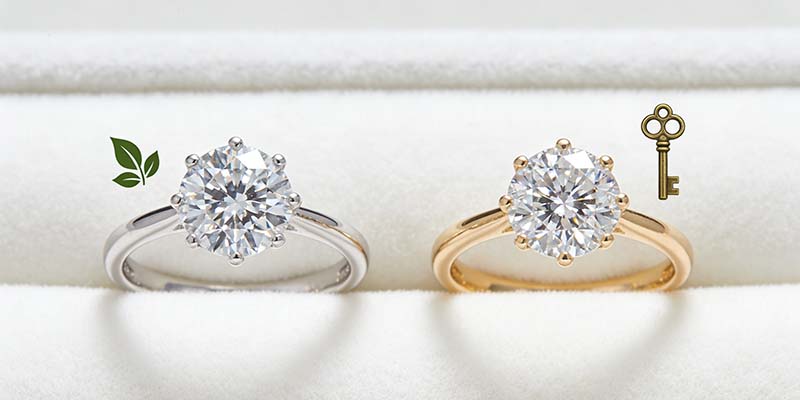
Yes, lab-grown diamonds are a smart choice for engagement rings. These diamonds offer you the pick of stunning large diamonds within your budget. People like Gen Z prefer sustainability and smart choices. However, people who believe in the heirloom concept that natural diamonds have some energy from traditions may not find these diamonds good for them. In short, partner satisfaction and choice are all that decide which to pick for an engagement ring.
Are Grown Diamonds More Ethical? Trade-Offs

Although lab-grown diamonds reduce the environmental and social harms of mining, making them a more ethical option, their production is energy-intensive. Not only this widespread adoption may affect the livelihoods of mining communities. NGOs support lab-grown diamonds due to sustainability, but people are also concerned about carbon footprints that can affect the environment.
Who Should Buy Lab Diamonds?
If you are a fashion lover who follows trends and is budget-savvy, then you should pick lab diamonds. As these are cheap, effective and luxurious with fiery sparkle for everyday wear.
Who Should Avoid Lab Diamonds?
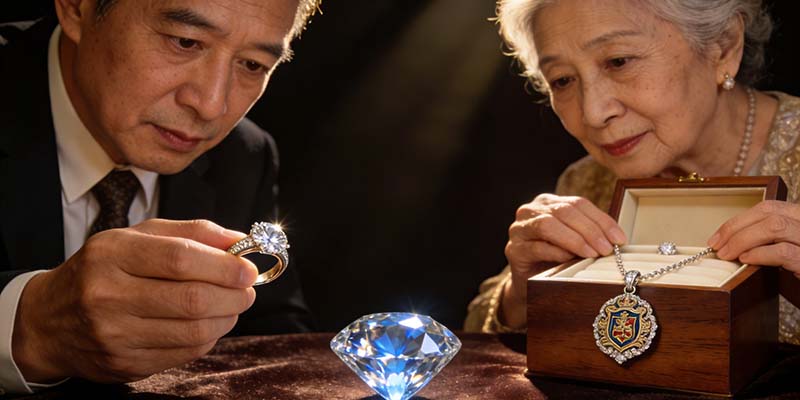
If you are buying a diamond as an investment, don’t pick lab diamonds, as their retained value is too low. And if you are an heirloom seeker and believe in traditions, you should pick a natural diamond over a lab diamond, as its chemical makeup will not satisfy your demand.
2026 Lab Diamond Buying Checklist
In 2026, if you are willing to buy a lab diamond, you should make sure of the following:
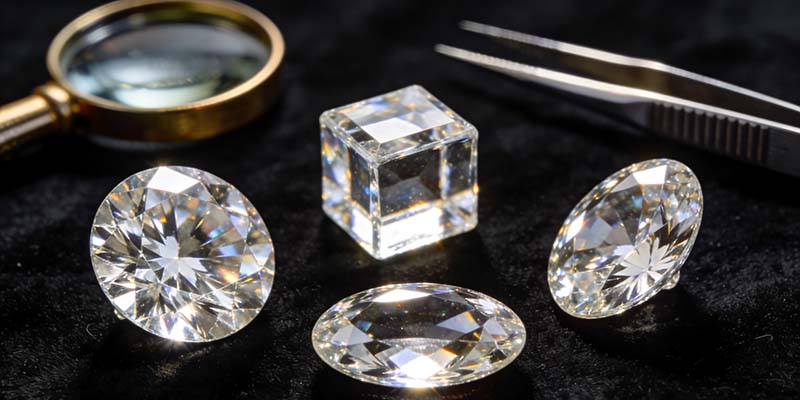
- To check the verify certification (GIA / IGI) to check the originality of diamond
- To check laser inscription typically present on lab grown diamonds
- You understand return policy of the seller, so it’s easy for your to make a return if required
- Know their upgrade policy
- Compare 4Cs clarity grades of diamonds; never settle for low
- Request independent appraisal
Where to Buy Lab-Grown Diamonds: Red Flags

When buying a diamond, be aware not to buy from such sellers that do not offer the following:
- IGI or GIA certification
- Specific return window
- Proven origin claims
- Any potential upgrade policy
Confusion With Diamond Simulants And Cubic Zirconia
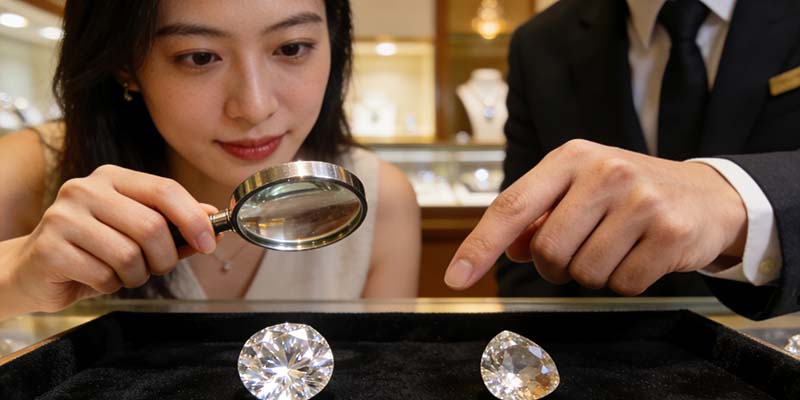
If you are buying a lab-grown diamond for the first time, you might confuse it with diamond simulants. Diamond simulants appear same as diamonds but are made of zirconium dioxide, known as cubic zircon (CZ). But it lacks the hardness, brilliance, and thermal conductivity of a true diamond. To avoid this confusion, check the laser inscription of diamond and ask for certificates like IGI and GIA. GIA-certified diamonds are real diamonds.
Practical Downsides For Fine Jewelry And Engagement Rings
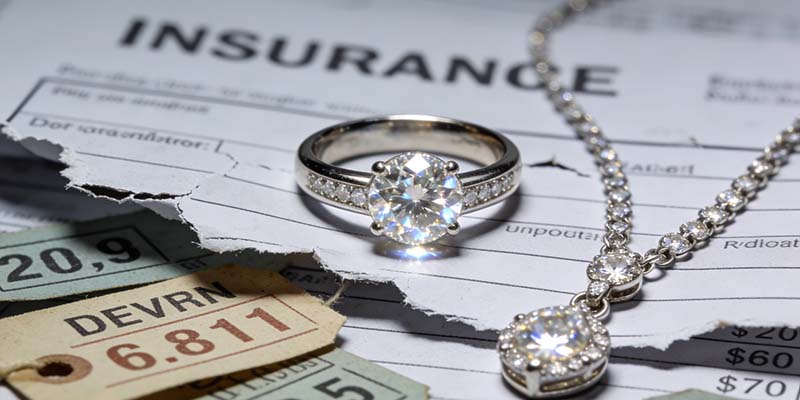
Lab grown diamonds in fine jewelery come with many challenges, like insurance companies may not offer limited coverage. This is because of the fluctuation in lab grown diamond industry. The diamond industry faces fluctuation due to low resale value. When picking up synthetic diamonds for engagement rings, make sure certified appraisers clearly document the stone as lab-grown. Also check for warranty and trade-off policies of sellers. As most diamond sellers do not offer long-term return policies.
Alternatives: Are Lab Grown Diamonds Have Alternatives
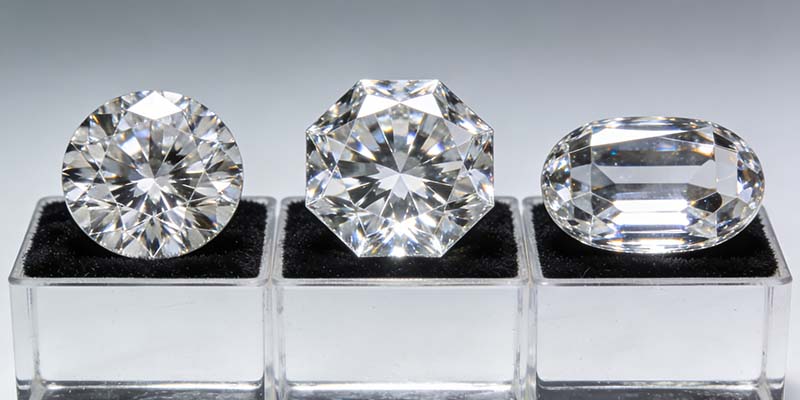
Yes they do. If you want an alternate option for diamond or even for lab-grown diamond with nearly same spark or appearance, you can opt for diamond simulants. The two most loved simulants of our experts are moissanite and cubic zirconia. If you want budget-friendly trendy jewelery, you can opt for simulants. When comparing moissanite and CZ, we can say moissanite offers durability and sparkle but costs more than CZ. However, CZ is extremely affordable but less resilient and less realistic in appearance.
Here is a glimpse of both moissanite and CZ
| Feature | Moissanite | Cubic Zirconia (CZ) |
|---|---|---|
| Hardness | 9.25 Mohs | 8 Mohs |
| Brilliance | Very high | Moderate |
| Durability | Long-lasting, scratch-resistant | Prone to scratching and clouding |
| Cost | Higher than CZ but affordable | Very low-budget-friendly |
| Appearance | It looks more like a diamond. | Less realistic, can appear glassy |
| Best Use | Fine jewelry, long-term wear | Costume jewelry, short-term fashion pieces |
Summarising it Up with Our Expert Guidence
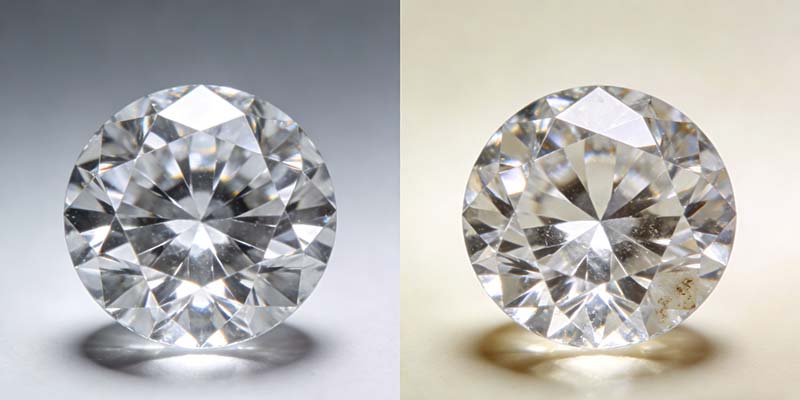
In short according our experts lab-grown diamonds offer same brilliance, durability, and beauty as natural diamonds at a far more accessible price. While natural diamonds continue to hold traditional prestige. In term of long-term resale, natural diamonds take the edge. By understanding these pros and cons and more detail mentioned in our expert guide, you can make an informed decision.
Find Your Perfect Diamond at Missjeweler
At Missjeweler we promise to deliver exceptional quality, authenticity, and value. So whatever you want an engagement ring or a piece of fine jewelry visit Missjeweler today. Our experts are always here to guide you every step of the way.
FAQ
Do lab diamonds lose value?
Yes, lab diamonds lose their value once purchased; their retail value is as low as 30-40% of their original value. This is due to abundant supply, rapid production advances, and a limited secondary market.
Why are lab diamonds so cheap?
Lab diamonds are cheaper than natural ones because of their ease of production methods and abundant supply chain.
Can you tell lab from natural?
No, you cannot tell the difference between natural and lab-grown diamonds with the naked eye. You need specialised instruments to know that.
Are lab diamonds fake?
No, these are 100% real diamonds with same physical, chemical and optical properties. This is just the formation method difference.
Are lab diamonds good for engagement rings?
Yes, getting a lab diamond for an engagement ring is a smart choice with respect to budget, but if you are traditional, you should opt for a natural diamond.