
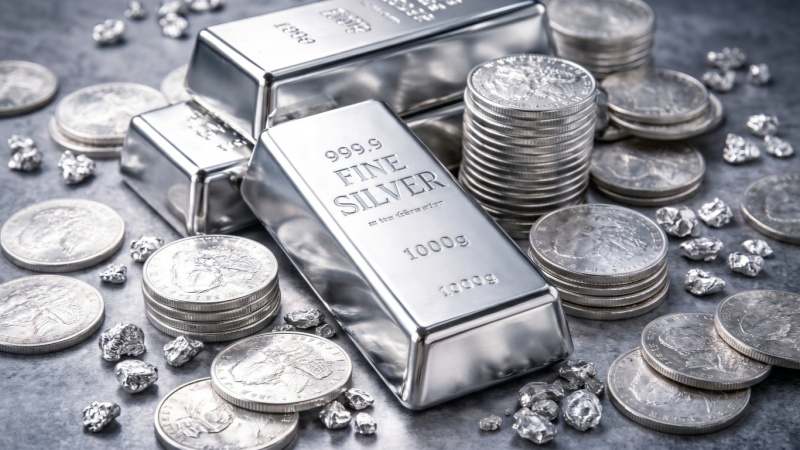
Fake silver items have flooded online marketplaces and flea markets these days. They mimic the luster of pure silver and genuine ornaments at a fraction of the actual cost. That’s why cybercrime experts believe that you should be extremely cautious when dealing with silver items online. Investors lost almost $7 million in fake silver scams in one incident.
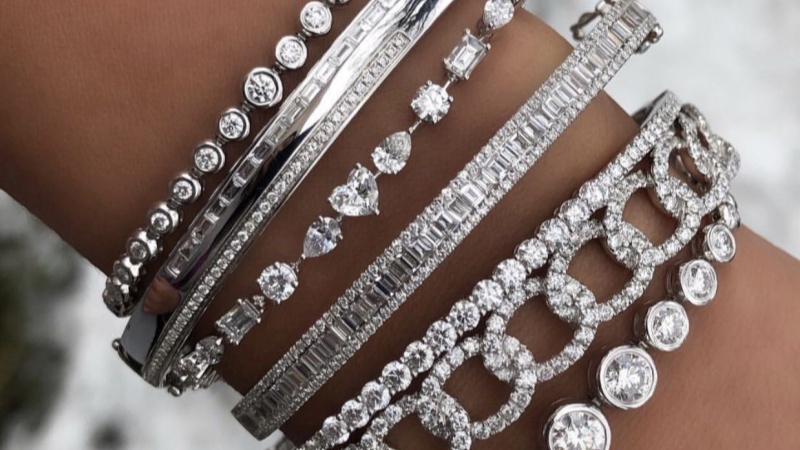
You can easily encounter fake silver necklaces, earrings, investment coins (such as American Silver Eagles), antique flatware from estate sales, and everyday accessories. Even cufflinks made of silver or picture frames can be faked by scammers! These fake silver jewelry items often use base metals that are coated with a thin silver layer. This layer wears away quickly, so you’re left with fake ornaments. So, how to know if something is silver or not?
Is Sterling Silver Pure Silver?
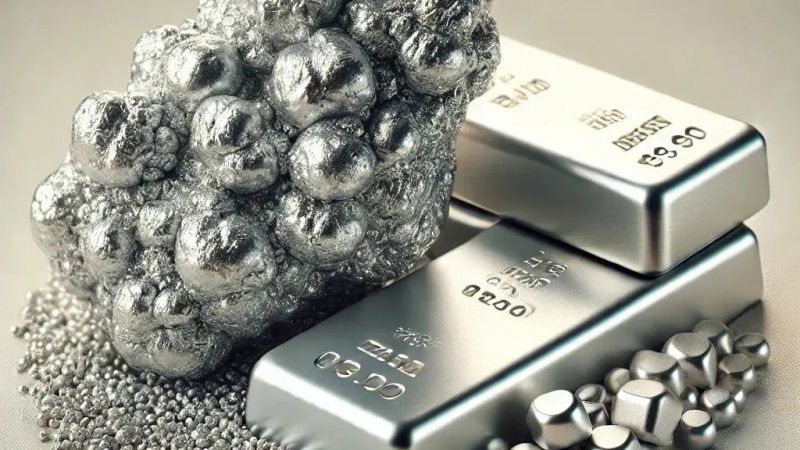
Sterling silver remains an industry benchmark for wearable and functional items because of how beautifully it balances purity and toughness. The 92.5% silver content ensures it behaves like pure silver in most tests, while the copper addition prevents excessive softness. If you’re wondering about its silver purity level or relationship with other precious metals, this table will make things clear:
| Purity Level | Applications | Key Features | Density (g/cm3) | |
|---|---|---|---|---|
| Fine Silver | Up to 99.99% pure | Bullion bars, rounds, high-end coins, etc. | Very malleable, highest purity, and tarnishes evenly | 10.49 |
| Sterling Silver | Up to 92.5% | Rings, bracelets, utensils, hollowware, etc. | Durable for daily use, but slightly warmer tones | 10.36 |
| Silver Plated Objects | <5% silver over a base like copper/nickel | Costume jewelry, silverware replicas, decor | Affordable (the plating thickness varies) | 8 to 9 (varies by base) |
Spotting Genuine Silver with Hallmarks & Stamps
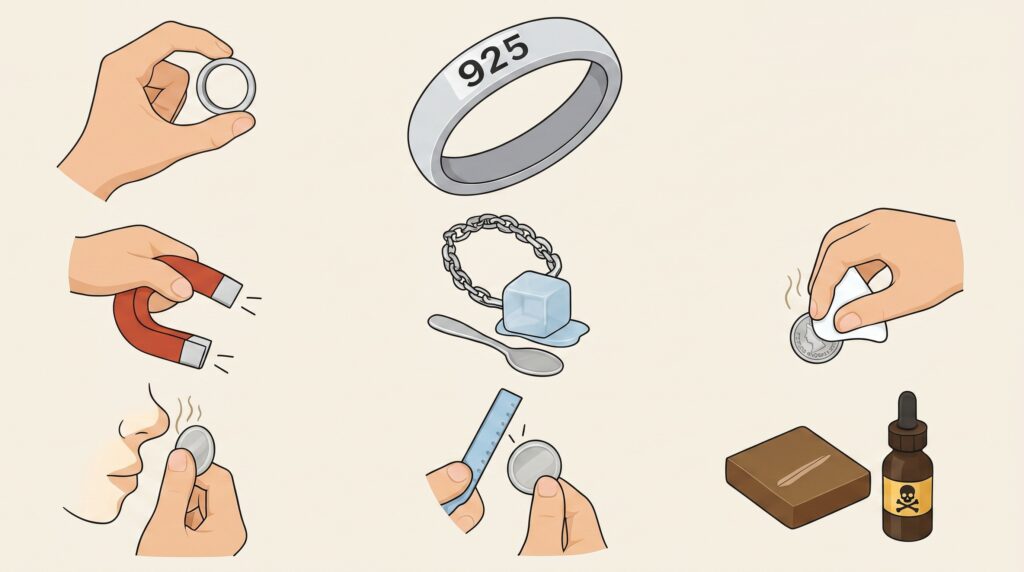
Did you know that 10.8% of American adults owned silver back in 2020? Many silver owners wonder how to tell if their jewelry is genuine or not. Well, silver hallmarks can help you out in this situation. You should examine the underside of your silver. If you notice markings like 925 indicating 92.5 percent silver or STER for sterling, it means you can trust your jewelry.
If you wish to double-check your silver coins, look for additional stamps such as “.925,” “Sterling,” or numeric purity marks like “800” or “999,” which indicate different silver grades; branded maker’s marks and country marks (for example, “Italy” or “Mexico”) also add credibility.
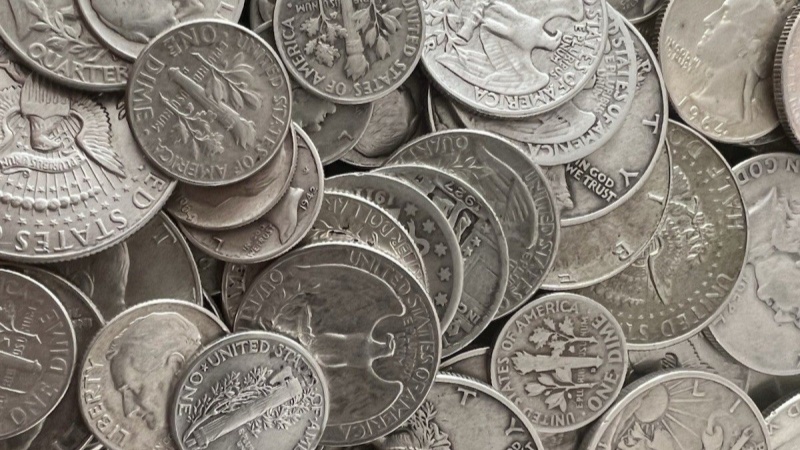
If the marks are faint or missing, use a simple magnet test; silver is non-magnetic, so if the magnet sticks strongly to it, it suggests a non-silver base metal or plating. For more certainty, consider a professional acid test or take the piece to a reputable jeweler who can perform an XRF test that identifies metal composition without damage.
7 Easy Ways to Verify Real Silver at Home
1. Magnet Test
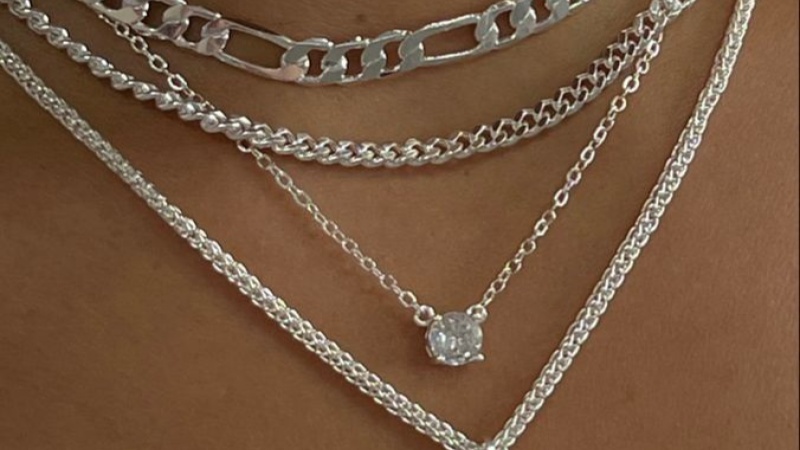
Genuine silver items have diamagnetic properties. It means they repel magnetic fields weakly. So, you should suspend a neodymium magnet near your silver jewelry. If your jewelry is made of real silver, it won’t cling to the magnet. But if your silver jewelry adheres to this magnet, you’ll know that it contains ferromagnetic contaminants like iron, steel, nickel, etc. These alloys are common in cheap fakes. This quick process will help spot frauds in a few seconds with the help of a rare earth magnet.
2. Ice Cube Test

We all know that metal conducts heat. However, when it comes to distinguishing real silver from fake items, you should keep in mind that silver conducts heat extremely quickly at 429 watts per meter Kelvin. You place a room temperature ice cube on a flat silver surface and time how fast it melts. Real silver turns it to water in just 10 to 20 seconds.
3. Smell Test
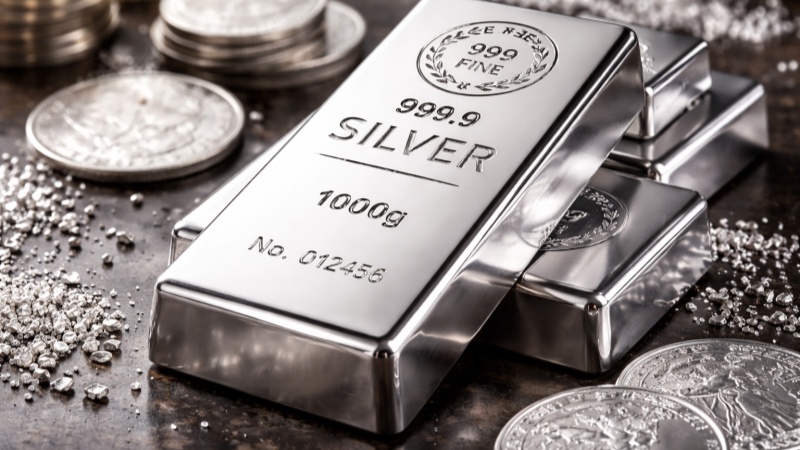
Authentic silver has no smell because it lacks smelly compounds. You rub the item between your fingers and sniff closely for scents. Coppery or tinny odors point to fake metals like brass or zinc. This single test will help you check if your silver is the real thing or not.
4. Polish Test
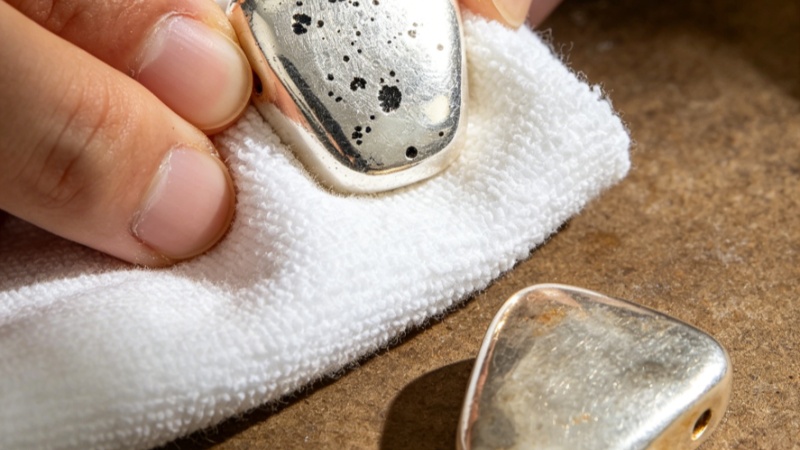
Silver tarnish comes from a reaction with hydrogen sulfide in the air. You buff the piece on a white cloth and look for black marks. Real silver cleans up bright underneath while fakes show odd colors. If you notice an inconspicuous spot, you’ll know that your silver is not real.
5. Sound Test
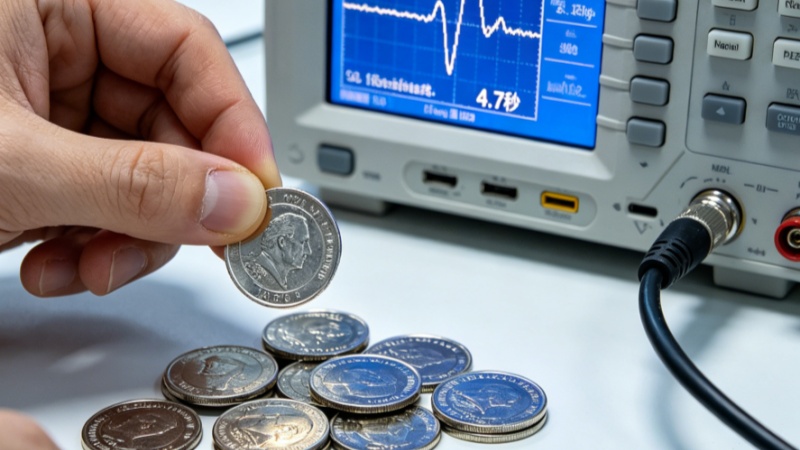
Silver creates a clear ring at 5 to 10 kilohertz that lasts 4 to 7 seconds. You tap coins or bars lightly and listen to the tone. Dull sounds mean you deal with less elastic fake materials. Use electronic testers when you are conducting this at-home experiment.
6. Weight & Density Check
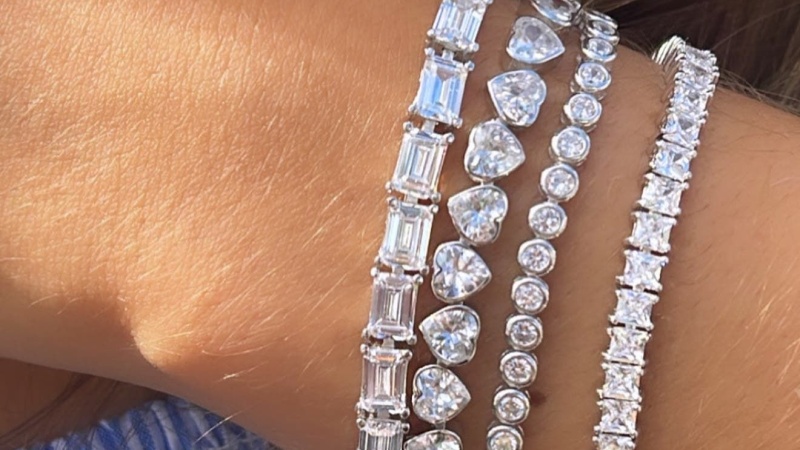
Silver has a specific gravity of 10.49 grams per cubic centimeter. You can weigh the item and measure its volume with water displacement. If you are getting numbers outside 10.3 to 10.5, it will reveal common fakes like tungsten. But you should still seek professional advice to make sure your silver is a counterfeit item.
7. Silver Acid Test
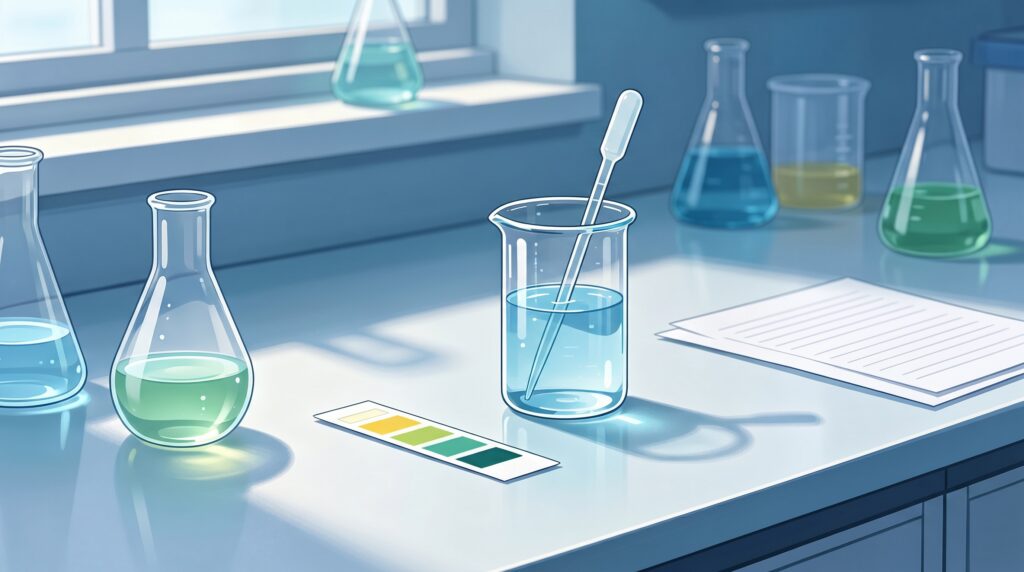
Nitric acid kits safely test alloys when you wear gloves and work outside. You scrape a small mark on the test stone and add one drop of reagent. Cream foam confirms sterling while green signals copper. It’s the most reliable method to verify your silver item’s purity.
How to Recognize Silver Plated Items
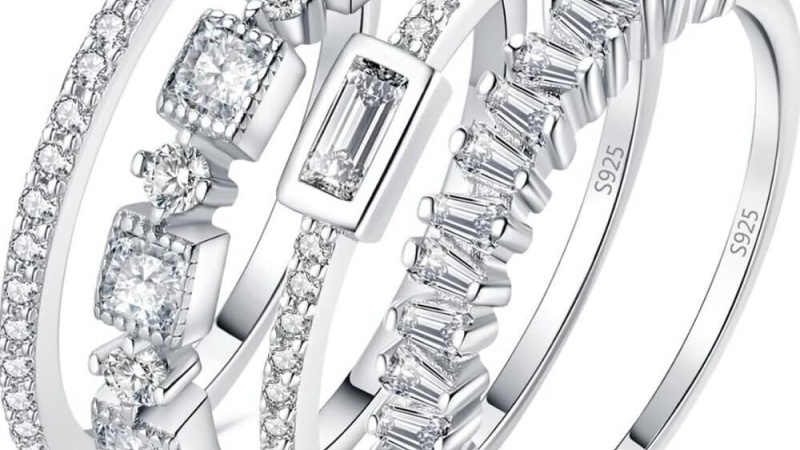
Do you wish to give a silver engagement ring to your loved one for their wedding? You probably have a silver piece, the quality of which is dubious. You now want to give them something more unique and memorable! Well, you can easily recognize plated items with this method:
| Real Silver | Plated Silver |
|---|---|
| Uniform polish reveals the same metal | Exposes yellow or red bases |
| Black tarnish is present throughout | Tarnish is uneven, but the base remains unaffected |
| Density is always consistent everywhere | Varies with the core (which is lighter) |
How to Spot Fake Silver Without Acid Testing
- It has a strong magnetic pull because cheap replicas have metals like steel, iron, or nickel
- You don’t need a magnet test to see that your plated silver is shedding its silver coating and peeling like the skin of an onion
- If you scratch your so-called silver coins, they will have pinkish or reddish hues (which means they have a base metal core with silver overlay)
- If visual inspection isn’t enough, rubbing fake silver pieces between your fingers will give you pungent odors
- If your jewelry lacks genuine silver content, weighing it will indicate its fake nature (for instance, a 1 oz silver coin won’t hit 31.1 grams)
How to Care for Real Silver Jewelry
Taking care of real silver jewelry and other metals of considerable value keeps your jewelry looking new for years with just a little routine effort. Proper storage and cleaning prevent tarnish from air, sweat, and chemicals. Follow these steps to maintain that bright luster.
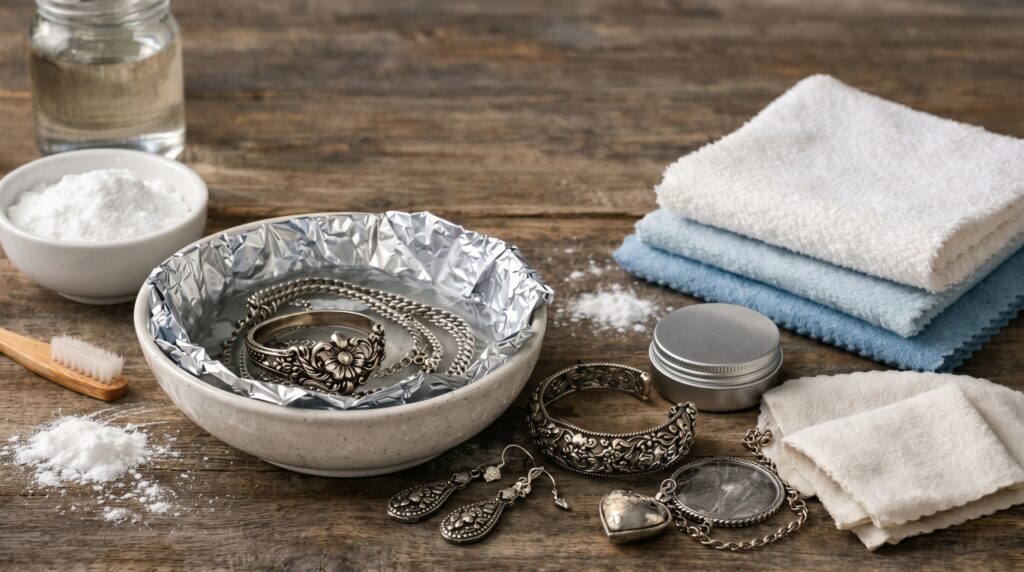
- Store pieces in acid-free tissue paper or silica-lined pouches to block moisture
- Use anti-tarnish tabs in drawers; they absorb harmful sulfides from the air
- Clean monthly with mild soap, lukewarm water, and a soft brush; always dry thoroughly
- Skip ammonia, bleach, or ultrasonic machines since they strip protective patina
- Polish sparingly with baking soda paste or silver cloth; rub gently in circles
How To Spot Fake Silver And Silver Plated Items
Fake silver and plated knockoffs give themselves away through wear patterns and construction flaws you can check easily at home. Look for signs of cheap layering over base metals like copper or brass. Use these targeted methods to confirm authenticity.

- Probe edges and joints for delamination flaking that exposes base metal.
- File a tiny hidden notch; brass shows yellow while real silver stays gray-white.
- Scrutinize seams and posts under magnification for uneven plating gaps.
- Benchmark weight and dimensions against NIST standards for silver items.
- Check high-wear spots like chain links for color change or thinning.
Conclusion
You now have the tools to spot genuine silver and avoid fakes with confidence. These simple home tests work great for jewelry, coins, and antiques. Keep in mind that no test works alone with 100% perfection, so use a few together, and let these valuable insights help you invest in authentic silver jewelry for your future!
Seek Professional Advice to Buy Authentic Silver Items
Looking for a definite answer after conducting these at-home tests? If you need a professional appraisal to make sure your silver bars are authentic, get professional verification done by Missjeweler.
FAQs | How to Test for Solid Silver
Does real silver stick to magnets
No, real silver doesn’t stick to magnets; it lacks magnetic attraction and weakly repels magnets at most.
Does fake silver ever turn black?
Yes, if your silver is real, it eventually tarnishes black.
Can sterling silver rust?
No, sterling silver has a copper alloy that prevents iron-like rusting.
How do jewelers test silver?
Jewelers test the purity of silver by checking acid streaks, XRF spectrometry, resistivity meters, etc