
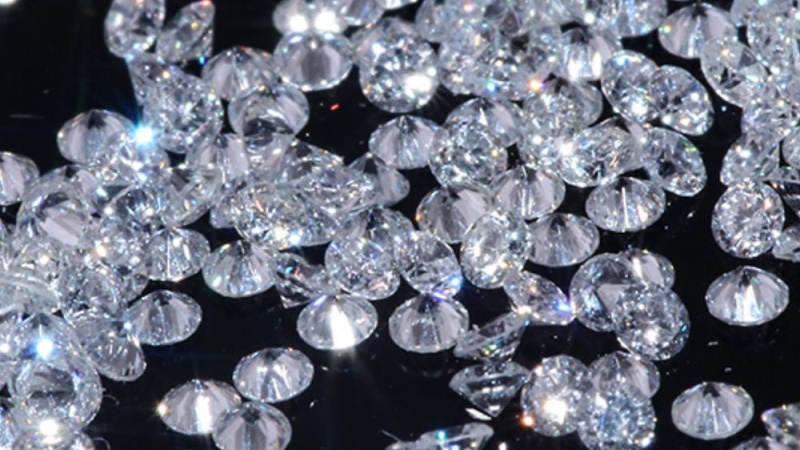
In today’s fast-moving jewelry market, customers are not only longing for sparkle. They are buying transparency, value, and trust. Many buyers use the term “fake diamond” to refer to every diamond alternative. It creates confusion that can impact purchasing decisions, customer satisfaction, and brand credibility. For jewelry businesses, understanding these gemstone names is more than product knowledge. It is profitable for them to be competent.
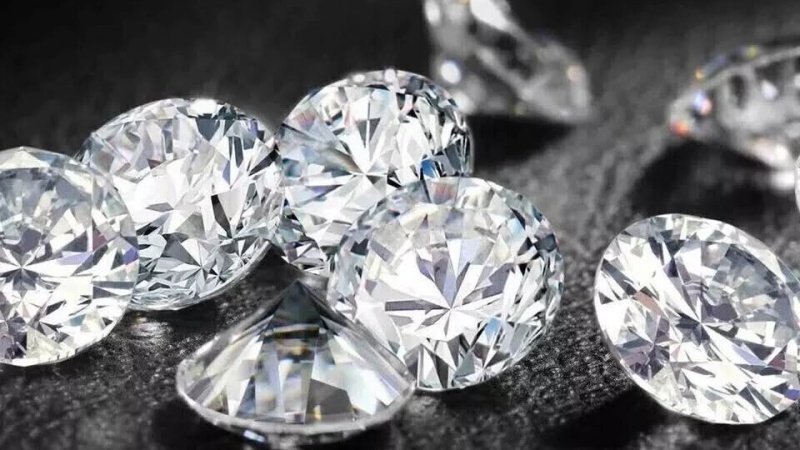
This guide breaks down the most common fake diamonds. If you are a wholesaler, you must know the difference between a fake diamond and the real thing. So you can create clearer product descriptions.
Quick Overview Of Types Of Fake Diamonds
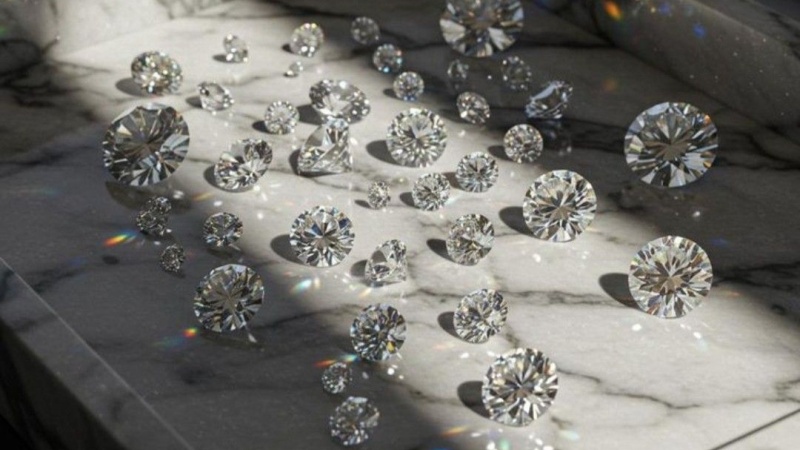
Here we gonna take a quick overview of fake diamond categories. It generally includes diamond simulants, synthetic diamonds, and natural gemstones. B2B buyers can buy it instead of natural diamonds due to its natural inclusions. Let’s move to discuss some major categories of fake diamonds.
Major Categories of Fake Diamonds
What Is A Diamond Simulant
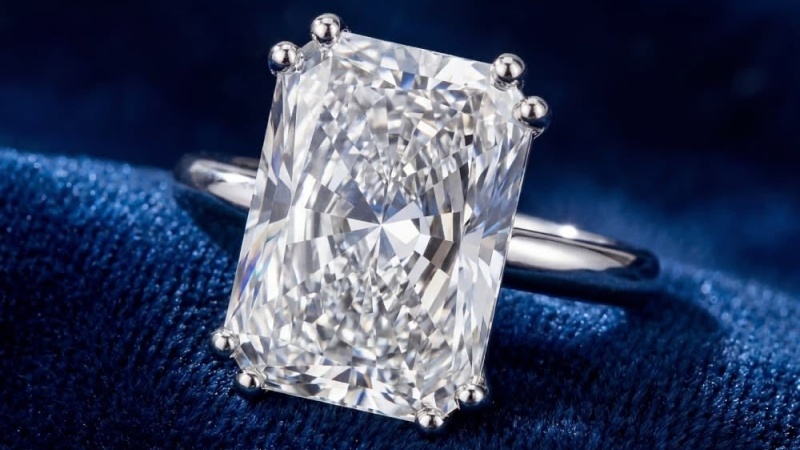
Simulants are non-diamond materials that only copy the appearance of a real diamond. They mimic diamonds by reflecting light to simulate sparkle, brilliance, and brightness. However, their optical properties and hardness differ from those of real diamonds.
Popular diamond simulants include;
- Cubic Zirconia
- Moissanite
- White zircon
- White topaz
- Even clear quartz
What Is A Synthetic or Cultured Diamond
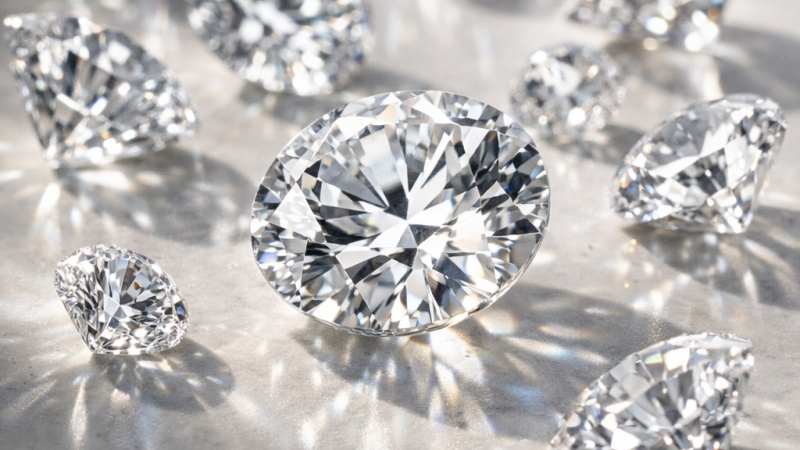
According to our expert team, synthetic diamonds are identical to real diamonds. As they are made in a lab, they are often called lab-grown diamonds or synthetic gemstones. They have the same structure as natural diamonds.
These include;
- CVD Diamond
- HPHT Diamond
Synthetic Diamonds vs. Simulated Diamonds
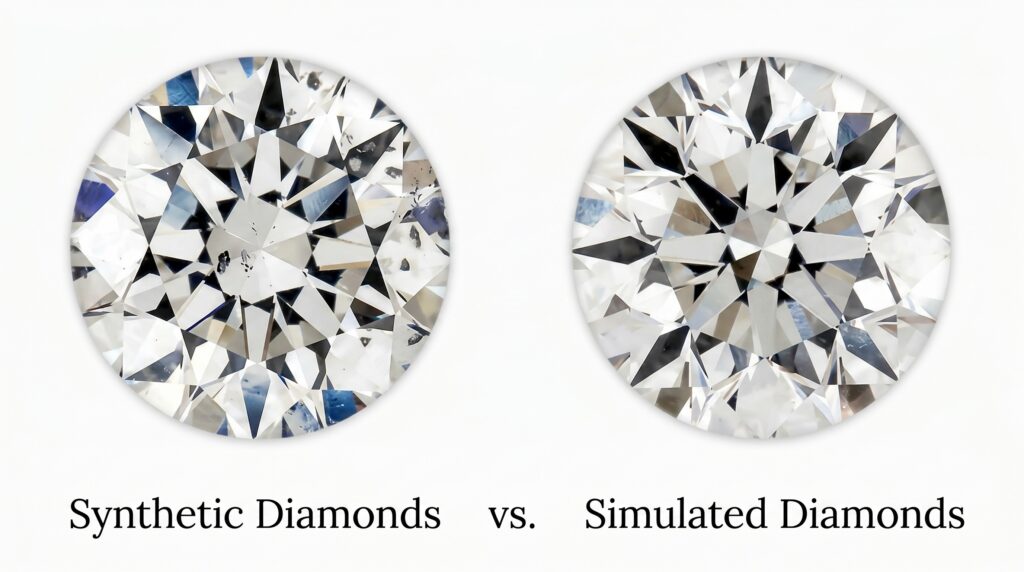
Hey, do you want to know how synthetic diamonds differ from simulated diamonds? Cultured or synthetic diamonds are real diamonds, while simulated diamonds are imitation stones. Lab-grown or simulated diamonds share identical hardness and material properties. Simulants only copy appearance. They do not match diamond structure, durability, or thermal conductivity.
When To Consider a Real or Natural Diamond
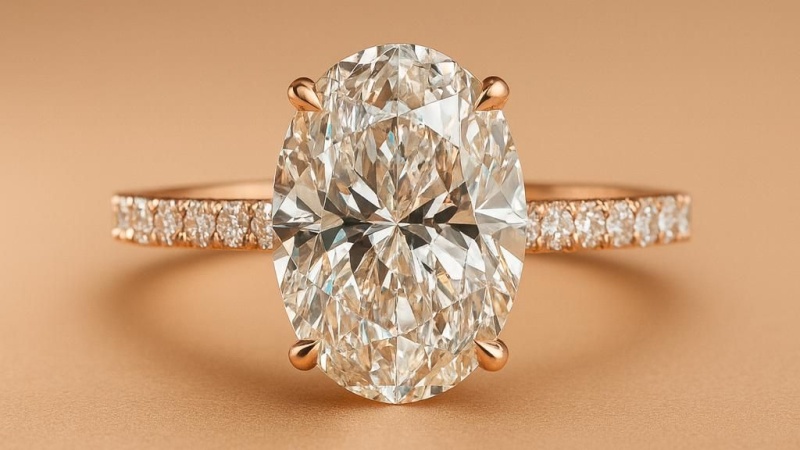
A real diamond is the best choice when durability matters to you. You can consider them especially for an engagement ring. Fine wedding rings. Lab-grown diamonds are also suitable when buyers want a real diamond at a lower cost. If looks matter more than durability, simulants are better.
Fake Diamonds vs Lab-Grown Diamonds
As we have discussed earlier, lab-grown diamonds are real diamonds. They have the same crystal structure, hardness, and chemical composition. That’s why they are taken as actual diamonds in gemology and the jewelry trade. They are often used in engagement rings and fine jewelry.
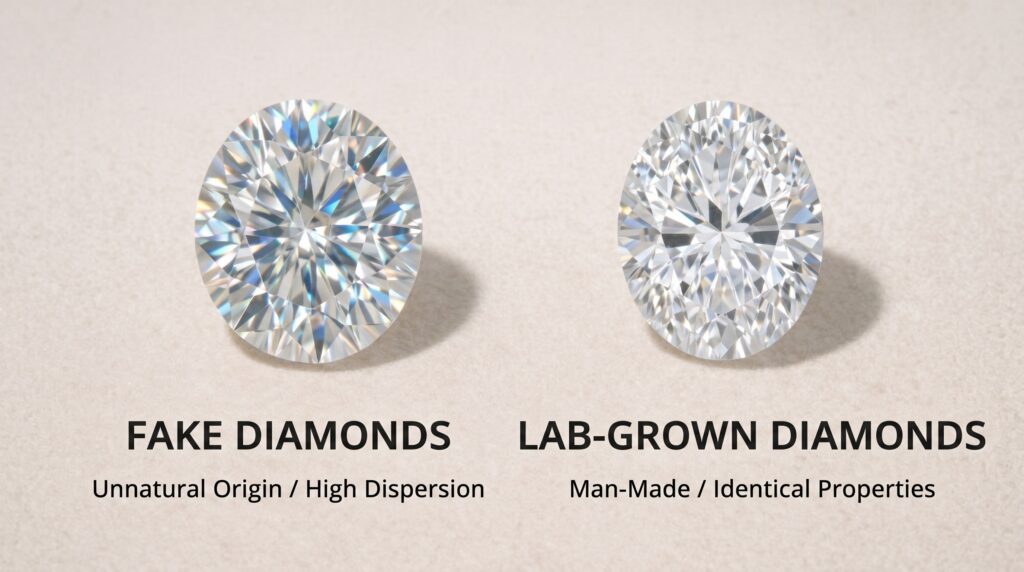
In contrast, diamond simulants are only visual imitations. They are designed to look like diamonds. But they do not share the same physical properties. Because of this, simulants are generally used for fashion pieces and low-cost styling.
Tips For the Identification of Fake Diamonds
The most common way to check a fake diamond is through professional tools. The methods below help you determine whether a stone is a real diamond or a fake.
- The fog test helps identify differences in thermal properties. When you breathe on real diamonds or lab-grown diamonds, the fog clears in a second. In comparison, simulants like Cubic Zirconia stay foggy slightly longer.
- The sparkle test focuses on optical properties. Most diamonds reflect balanced white light. Simulants often show colorful flashes or weak brilliance. Stones like CZ may look too “rainbow-heavy,” which indicates an imitation diamond.
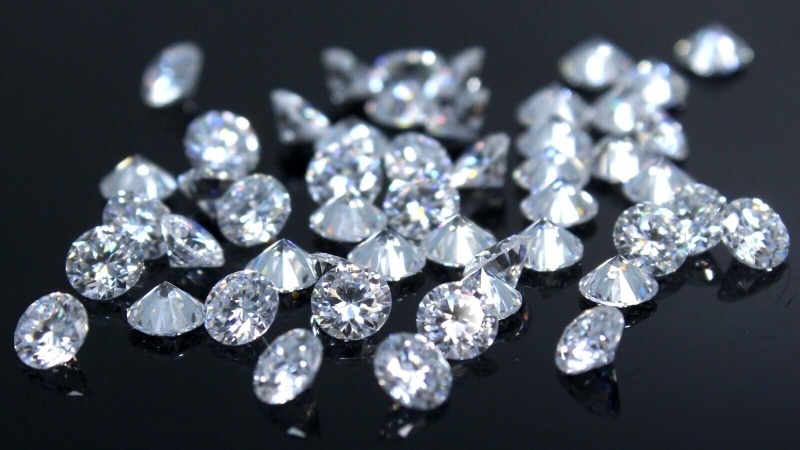
- The weight test compares density. Many diamond simulants feel heavier than natural diamonds or mined diamonds. As we know, they vary in chemical composition and material properties.
- A diamond tester is the most reliable tool that measures thermal conductivity. You can use it to separate real diamonds from non-diamonds.
Which Fake Diamond Looks Most Real?
Here we’ll tell you which fake diamond looks most real. It depends on the type, the quality of cutting, and the material properties of diamonds.
- Moissanite is the most popular diamond alternative. It is hard on the Mohs scale and has intense sparkle. However, its optical properties often show slight double refraction under visual inspection. So that you can reveal it as unlike diamonds in a detailed examination.
- High-quality Cubic Zirconia (CZ) is another popular imitation diamond used in jewelry. It reflects strong white light.
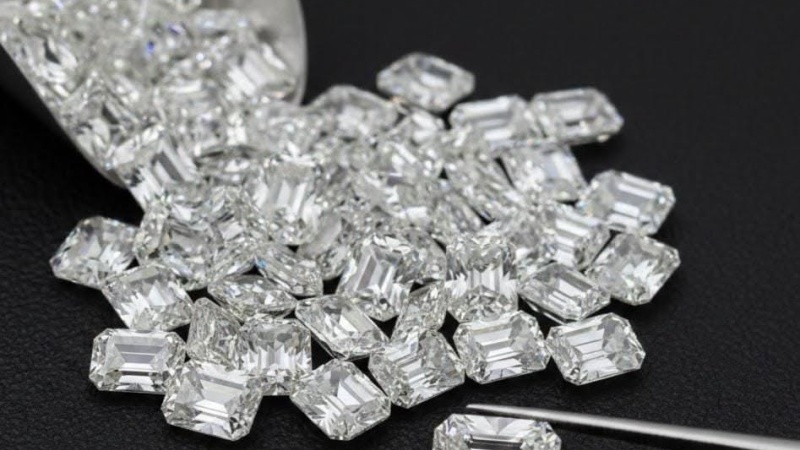
- The importance of setting craftsmanship also plays a major role. A well-cut ring setting in yellow gold or platinum is mandatory. It can make most simulants look like real diamonds.
- Finally, the impact of the cut is critical. A precise cut improves brilliance, symmetry, and sparkle. While poor cutting results in uneven physical properties.
Most Common Other Fake Diamond Names
Diamond Cubic Zirconia or Zirconium Dioxide
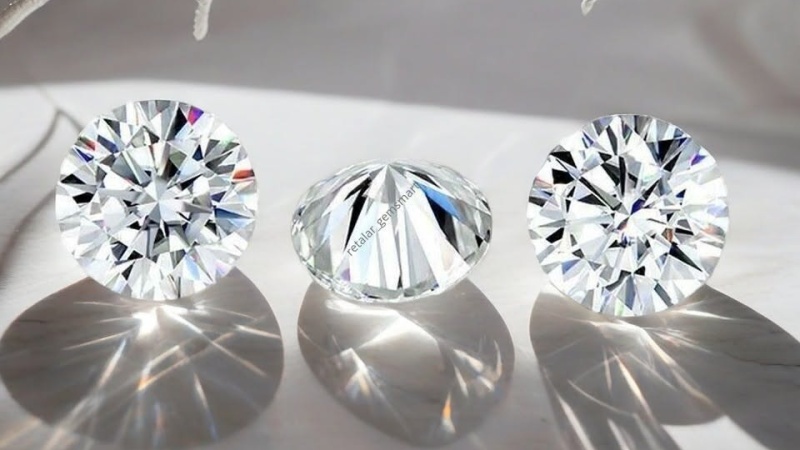
Cubic Zirconia is a faux diamond in the jewelry market. It is affordable and commonly used in hip-hop jewelry, as softer than real diamonds, so it can be prone to scratching over time.
Moissanite or Silicon Carbide
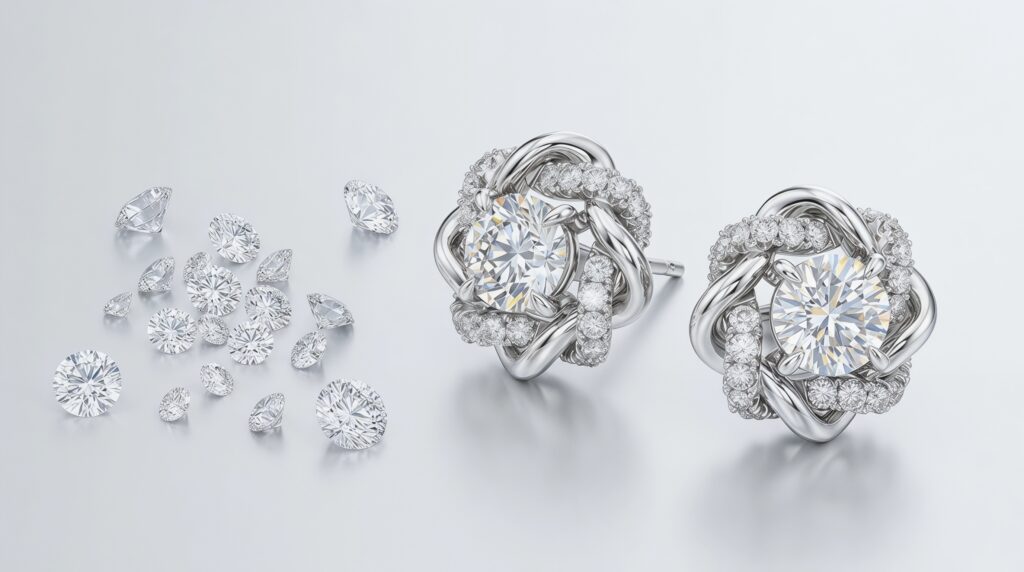
Moissanite is a high-end diamond alternative known for its strong fire and generally shows rainbow sparkle. Sometimes, it is mistaken for a real diamond due to its similar appearance and hardness.
Rhinestones
Rhinestones are inexpensive decorative stones used in fashion jewelry. They are significant for visual appeal rather than durability and are common in costume accessories.
White Sapphire
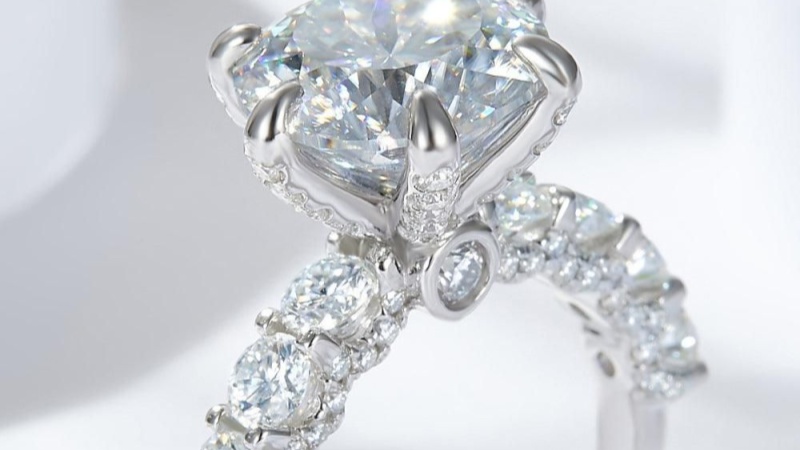
It is a natural gemstone with lower brilliance compared to diamonds. White Sapphire is an attractive option, demanded for its durability rather than its sparkle.
White Spinel
White Spinel is another natural, clear gemstone. You can use it as an alternative to a diamond. It offers a softer and more subtle brilliance.
Crystal
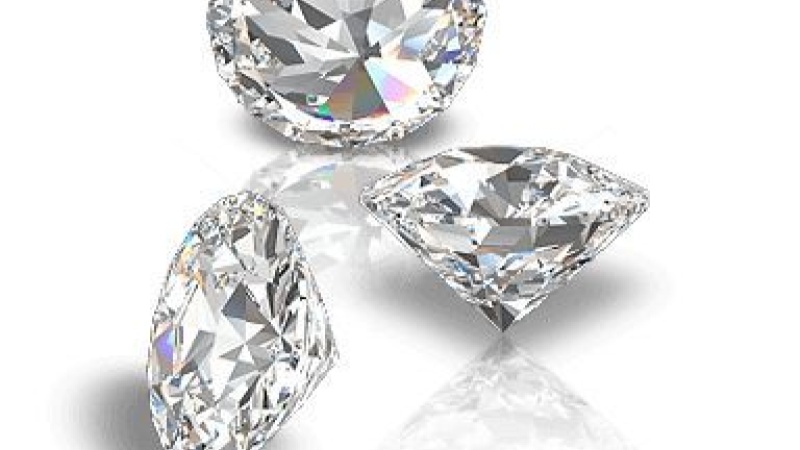
Crystal stones, including Swarovski-type crystals, are highly decorative and budget-friendly. They are generally used in fashion pieces.
Glass Diamonds
Glass diamonds are inexpensive imitation stones used in low-cost jewelry. They are prone to wear and damage. They are suitable for short-term decorative use rather than fine jewelry.
Are Fake Diamonds Worth Buying?
Fake diamonds are used worldwide because they are affordable and versatile. They are popular for everyday wear, travel jewelry, and fashion styling. However, real diamonds are still preferred for engagement rings and fine jewelry. As they have emotional significance and are rare.
Why Is CZ Used in Hip-Hop Jewelry?
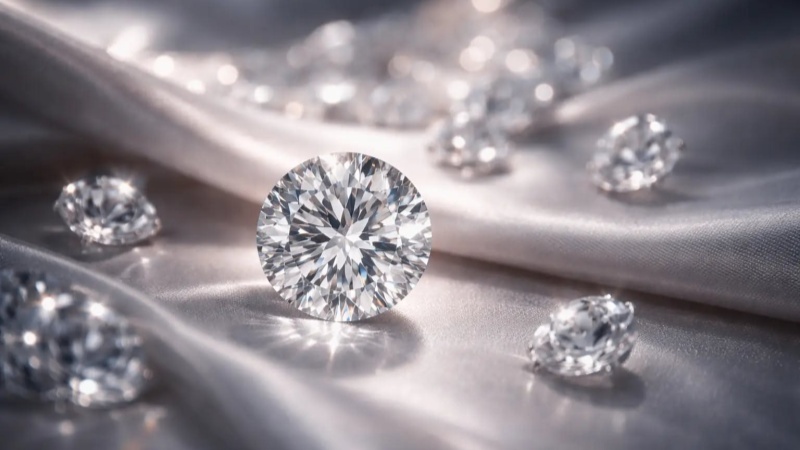
Cubic Zirconia (CZ) is generally used in hip-hop jewelry. Do you know it delivers strong sparkle at a very low cost? It creates a bright, flashy look that is a perfect match for hip-hop culture. As you know, it is especially used in large rings, chains, and statement jewelry. It also reflects white light, giving it a diamond-like appearance. Its affordability makes it ideal and popular for B2B buyers.
How to Choose the Best Fake Diamonds
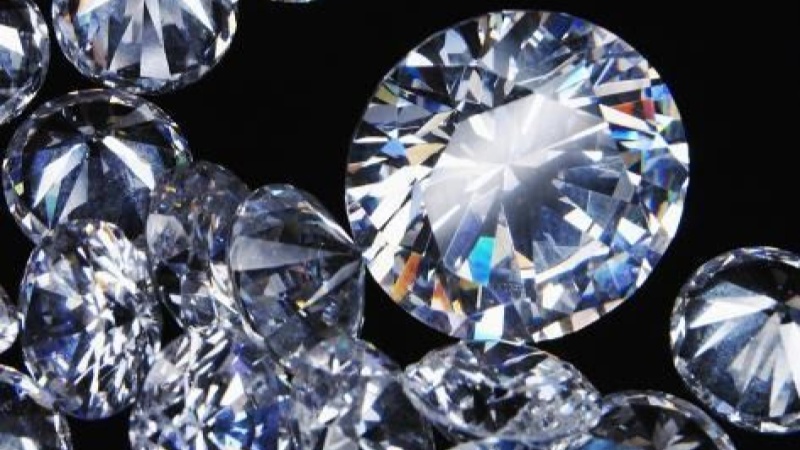
Do you want to select the best fake diamonds to meet your choice? The following quick guide will help B2B buyers in selecting the right stone.
| Need | Best Choice | Reason |
|---|---|---|
| Luxury Look | Lab-grown diamonds | Premium shine with authentic diamond quality |
| Budget Option | Cubic Zirconia | Affordable stone with eye-catching sparkle |
| Durability | Moissanite | Tough, long-lasting, and cold water friendly |
| Hip Hop Jewelry | Cubic Zirconia | Bright shine is ideal for statement jewelry |
Real Diamonds vs. Simulants And Synthetic Stones
Are you a retailer or wholesaler? Then you need to understand why real diamonds or diamond simulants are significant. Buyers should align product choice with market segment, luxury, fashion, or everyday wear.
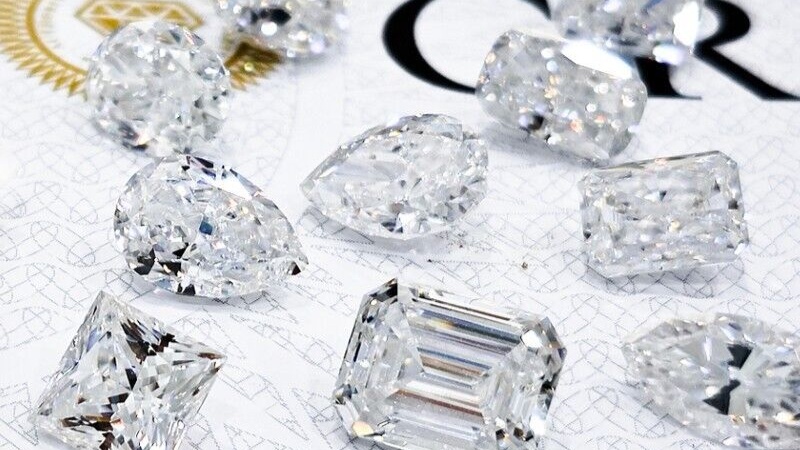
Natural diamonds and lab-grown diamonds offer you true value backed by certification. While simulants serve as cost-effective alternatives.
When You Need a Professional Gemologist
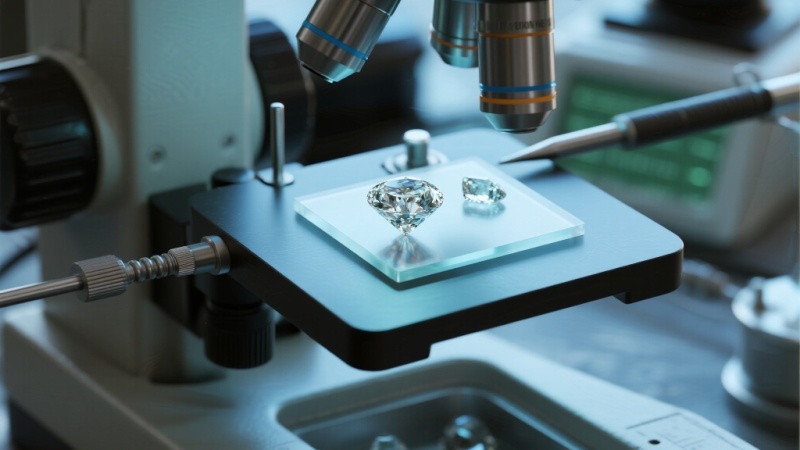
You should contact a professional gemologist for any expensive jewelry. Do you have any doubts about the authenticity of the stones? You should send it for a professional analysis. For synthetic diamonds and lab-created stones, you should request official lab reports.
At MissJewelers, you can easily consult an unbiased professional gemologist.
How Professionals Detect Fake Diamonds: Chemical and Physical Properties
You can identify a fake diamond by its physical and chemical properties. These checks are important for loose diamonds or high-value pieces of jewelry. Let’s dive into these tips.
By Refraction
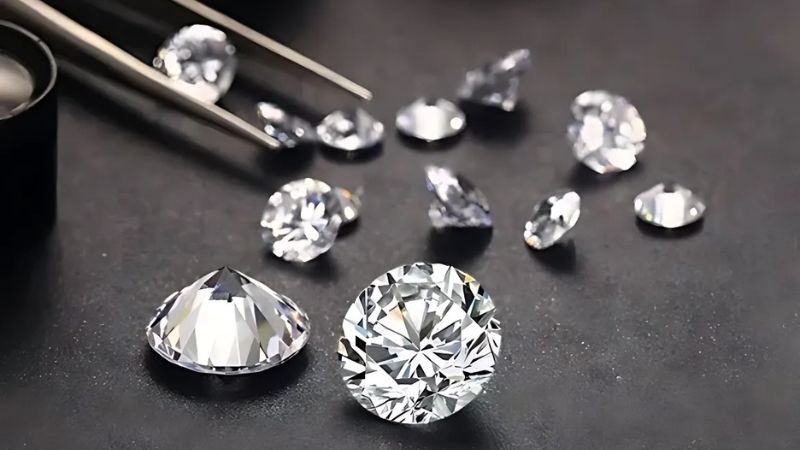
With the refraction and magnification, experts can study light behavior and structuravddvl details. Moissanite may show double refraction. Under magnification, professionals also look for internal flaws, while some mined stones may show laser drill holes.
By UV Light and Visual Inspection
Itis used to analyze fluorescence patterns and surface quality. Most diamonds behave differently under UV. Many simulants appear too flawless compared to most gems found in nature.
Heat Test and Weight Comparispon
Thermal conductivity and the heat test are specific for this purpose. Real diamonds conduct heat efficiently because of their strong carbon structure.
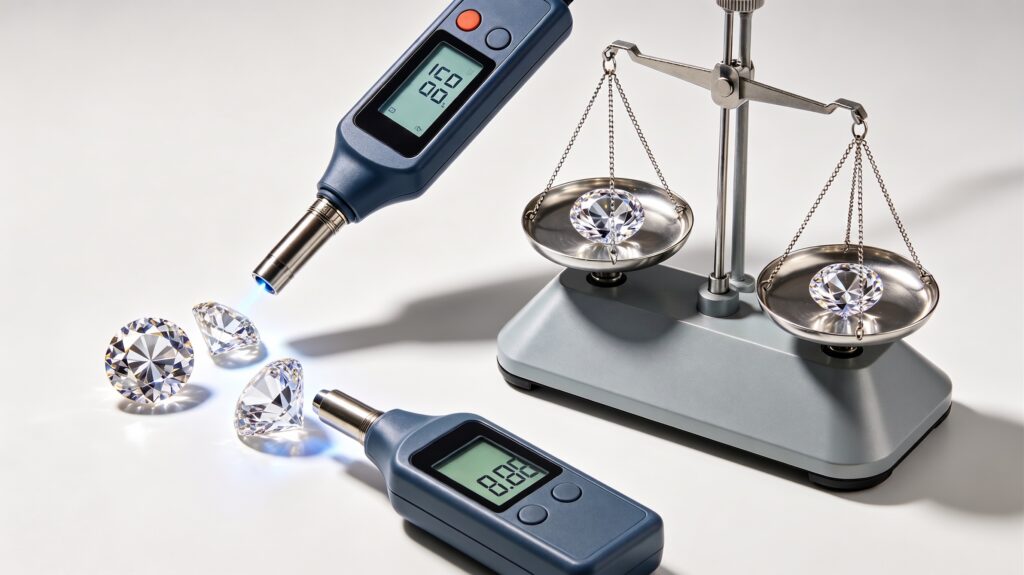
Simulants often feel different from genuine diamonds. While simulants may be an attractive option for fashion jewelry. Only natural and lab-grown diamonds offer the durability and authenticity to B2B buyers.
Buying Guide: How to Select Natural Diamonds and Simulants
| Factor | Natural Earth & Lab Diamonds | Diamond Alternatives |
|---|---|---|
| Certification | Certified and authenticated | Usually uncertified |
| Return Policy | Reliable warranty & returns | Limited return options |
| Durability | Very durable for daily wear | Less durable over time |
| Maintenance | Low maintenance | Requires more care |
| Value & Margin | Premium value, steady demand | Low cost, higher margins |
| Best Use | Bridal, luxury & fine jewelry | Fashion, budget & best alternative jewelry |
| B2B Advantage | Builds trust beyond concerns around blood diamonds | Faster turnover and bulk sales |
FAQ: Common Questions About Fake Diamond Names
How do professional jewelers identify fake diamonds?
Professional jewelers use tools like a diamond tester, magnification, and visual inspection to identify fake diamonds.
Do fake diamonds pass testers?
Some simulants may pass basic testers. For example, moissanite sometimes reacts because of its thermal conductivity.
Which fake diamond sparkles the most?
Moissanite usually produces the strongest sparkle and fire among popular diamond simulants. Intense rainbow flashes can appear brighter under certain lighting conditions.
What is the most realistic fake diamond?
Moissanite is the most realistic fake diamond due to its long-term value and longevity.
Conclusion
The difference between fake and real diamonds helps buyers make smarter purchasing decisions. You can approach high-demand products by stocking diamond simulants and lab-created diamonds. To make your brand trustworthy, you must do careful testing, certification, and visual inspection. For this purpose, you can consult MissJewelers for professionals.
Contact us for a reliable manufacturing partner
We are a B2B jewelry manufacturer with 15+ years of experience. At MissJewelers, we supply wholesalers with competitive pricing. Do you want OEM support and tailored jewelry solutions for your market? Contact us right now.