
Yes, brass is a good metal for jewelry — especially if you want stylish, affordable pieces with a warm golden look. Brass jewelry has been popular for thousands of years. It is durable, easy to shape into detailed designs, and much cheaper than gold. But like every metal, brass has trade-offs. It can tarnish over time, and it may not be the best choice for sensitive skin. This guide covers everything you need to know about brass jewelry — from durability and safety to care tips and how to buy smart.
What Is Brass Jewelry?
Brass is a metal alloy made from copper and zinc. The exact ratio of copper to zinc can vary. Most brass used in jewelry contains around 60–70% copper and 30–40% zinc.
The result is a metal that:
- Has a warm, golden-yellow color
- Is easy to mold and engrave
- Costs far less than gold or silver
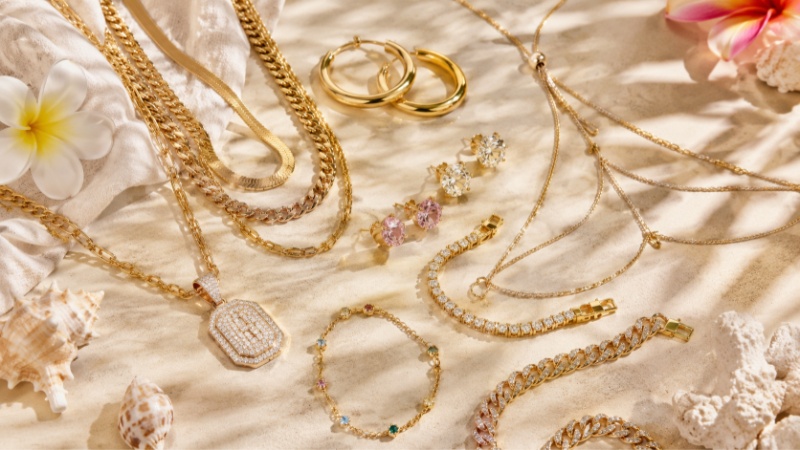
Jewelers have used brass for centuries. You can find it in earrings, rings, bracelets, necklaces, and statement pieces.
Is Brass Jewelry Good for Everyday Wear?
Brass jewelry can work for everyday wear, but with some caveats.
It holds up well against everyday bumps and scratches. Brass is a relatively hard metal. It won’t bend or dent easily.
However, daily wear exposes it to sweat, water, and skin oils. These speed up tarnishing and can cause the metal to darken or develop a greenish tint.
Best practice: Save brass jewelry for special occasions or casual outings. Remove it before showering, swimming, or exercising. If you want to wear brass daily, choose pieces with a protective coating, such as lacquer or gold plating.
Pros and Cons of Brass Jewelry
Pros
- Affordable price. Brass costs a fraction of gold, silver, or platinum. You get a premium look without a premium price.
- Golden appearance. Brass has a rich, warm tone that closely resembles gold. It’s great for bold, statement jewelry.
- Highly workable. Artisans can stamp, engrave, and cast brass into intricate shapes. This makes it popular for detailed designs.
- Good durability. Brass is harder than pure copper and resists bending or breakage under normal use.
- Wide availability. You can find brass jewelry at every price point, from fast fashion to handmade artisan pieces.
- Eco-friendly option. Brass is highly recyclable. Many manufacturers use recycled brass, making it a more sustainable choice.
Cons
- Tarnishes over time. Brass oxidizes when exposed to air, moisture, and sweat. It can turn dull, dark, or greenish.
- Not hypoallergenic. The copper and zinc in brass can cause skin reactions in some people, especially those with nickel allergies if the alloy contains trace nickel.
- Skin discoloration. Brass can leave a temporary green or dark mark on the skin. This is harmless but can be annoying.
- Requires regular maintenance. To keep brass looking good, you need to clean and polish it regularly.
- Not waterproof. Exposure to water, sweat, or chemicals accelerates tarnishing.
Is Brass Jewelry Durable?
Yes, brass jewelry is durable for everyday style use.
Brass scores around 3–4 on the Mohs hardness scale. It is harder than pure copper and many other common jewelry metals. It won’t scratch easily and holds its shape well.
However, durability has limits:
- It can tarnish. Tarnish does not weaken brass, but it changes its look.
- Plated brass wears down. If your brass piece has a gold or silver plating, the coating will eventually thin and reveal the brass underneath.
- It may develop a patina. Over time, brass develops a natural aged look. Some people love this. Others prefer to polish it away.
How long does brass jewelry last? With proper care, brass jewelry can last 5 to 10 years or longer. Some antique brass pieces have survived for hundreds of years. Regular cleaning and storage make a big difference.
Does Brass Jewelry Tarnish or Turn Green?
Yes, brass jewelry can tarnish and may leave a green mark on your skin. This happens because of the copper in brass.
Here is how it works:
- Copper reacts with oxygen, moisture, and acids (like sweat).
- This forms copper oxide or copper carbonate — a greenish compound.
- The green transfers to your skin or appears on the metal’s surface.
Is the green mark harmful? No. The green color is not toxic or dangerous. It washes off easily with soap and water.
How to slow down tarnishing:
- Keep brass jewelry dry.
- Store it in an airtight bag or container.
- Apply a thin layer of clear nail polish or jewelry lacquer on the inside of rings and bracelets to create a barrier between the metal and your skin.
- Clean brass jewelry regularly.
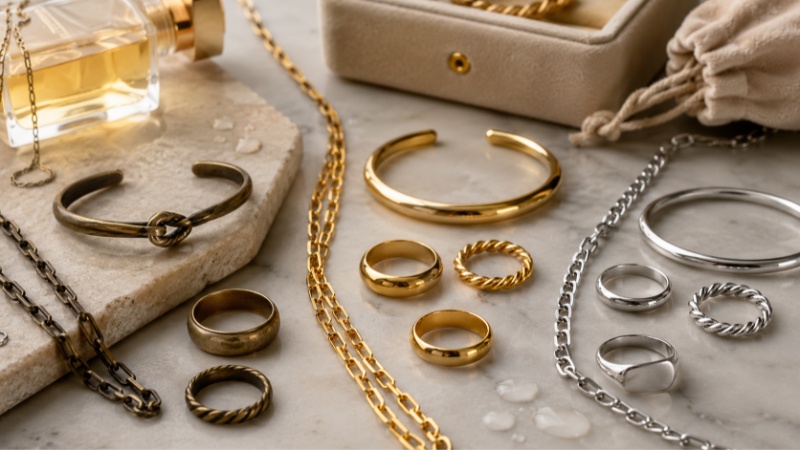
Is Brass Jewelry Safe for Sensitive Skin?
Brass is not the best choice for very sensitive skin.
Here is why:
- Brass contains copper and zinc. Some people are allergic to these metals.
- Some brass alloys also contain small amounts of nickel. Nickel is the most common cause of metal allergies.
- If you react to cheap jewelry, there is a good chance you have a nickel sensitivity.
Signs of a metal allergy: Redness, itching, rash, or irritation where the jewelry touches your skin.
Tips for sensitive skin:
- Look for nickel-free brass jewelry.
- Choose brass pieces with a thick gold plating or rhodium coating. These act as a barrier.
- Avoid wearing brass in hot, sweaty conditions.
- Do a patch test: wear the piece for a few hours and check for reactions.
If you have a documented metal allergy, stainless steel or titanium are safer alternatives.
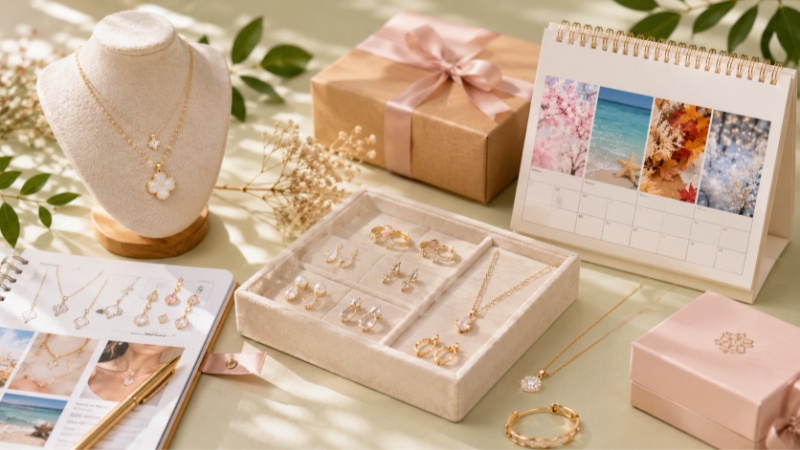
Brass vs. Stainless Steel vs. Sterling Silver vs. Gold-Plated Jewelry
Here is a quick comparison to help you choose:
| Feature | Brass | Stainless Steel | Sterling Silver | Gold-Plated |
|---|---|---|---|---|
| Price | Low | Low–Medium | Medium | Medium–High |
| Durability | Good | Excellent | Good | Moderate |
| Tarnish Resistance | Low | Excellent | Medium | Medium |
| Hypoallergenic | No | Mostly yes | Mostly yes | Depends on base |
| Skin Discoloration | Possible | No | Rarely | Rarely |
| Appearance | Warm gold tone | Silver, sleek | Bright silver | Gold shimmer |
| Maintenance | Regular cleaning | Minimal | Occasional polish | Gentle care |
| Best For | Fashion, artisan, statement pieces | Everyday, active wear | Classic, elegant looks | Affordable luxury |
| Eco-Friendly | Yes (recyclable) | Yes | Partially | Depends |
Key takeaway: Stainless steel wins on durability and low maintenance. Sterling silver looks more classic. Gold-plated offers a luxury feel. Brass shines when you want bold, artistic designs at a low cost.
How Long Does Brass Jewelry Last?
Brass jewelry can last anywhere from a few years to decades, depending on how you care for it.
- With no care, a piece worn daily might show heavy tarnish within 6–12 months.
- With regular cleaning and proper storage, the same piece could look good for 5–10 years.
- Lacquered or plated brass will last longer before showing the base metal.
- Antique brass pieces often last centuries — proving that brass has serious longevity when treated well.
Factors that shorten the lifespan of brass jewelry:
- Frequent exposure to water, sweat, or perfume
- Storing pieces loose in a drawer (causing scratches)
- Wearing it while cleaning with harsh chemicals
- Skipping regular cleaning
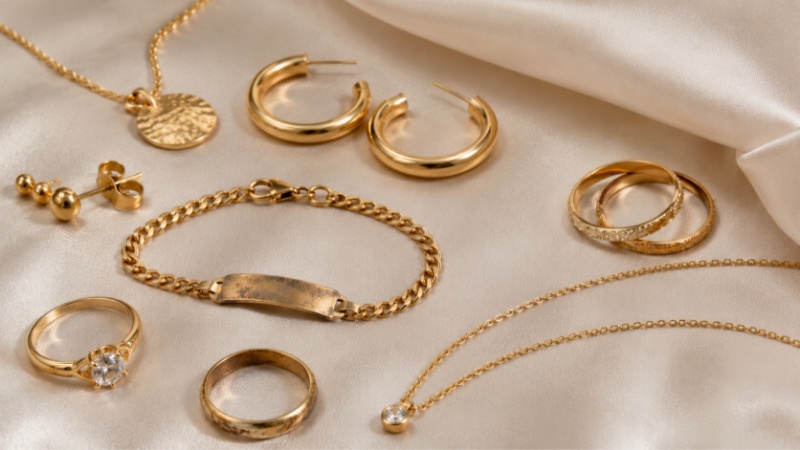
How to Clean and Care for Brass Jewelry
Everyday Care
- Remove brass jewelry before bathing, swimming, or exercising.
- Wipe pieces with a soft cloth after wearing them to remove sweat and oils.
- Apply perfume and lotions before putting on your jewelry, not after.
Deep Cleaning Brass Jewelry at Home
Method 1: Lemon Juice and Baking Soda
- Mix 1 tablespoon of lemon juice with a pinch of baking soda to form a paste.
- Gently rub the paste onto the brass with a soft cloth.
- Rinse with lukewarm water.
- Dry immediately and completely with a dry cloth.
Method 2: Ketchup
Sounds strange, but it works. The mild acid in ketchup removes tarnish. Apply a thin layer, leave for 10–20 minutes, then rinse and dry.
Method 3: Mild Soap and Water
For lightly tarnished pieces, a gentle scrub with dish soap and warm water does the trick.
What to avoid:
- Do not soak brass in water.
- Avoid harsh chemicals like bleach or ammonia.
- Do not use abrasive scrubbers that scratch the surface.
Storage Tips
- Store brass in an airtight zip-lock bag or a fabric-lined jewelry box.
- Add a small silica gel packet to absorb moisture.
- Keep pieces separated to prevent scratching.
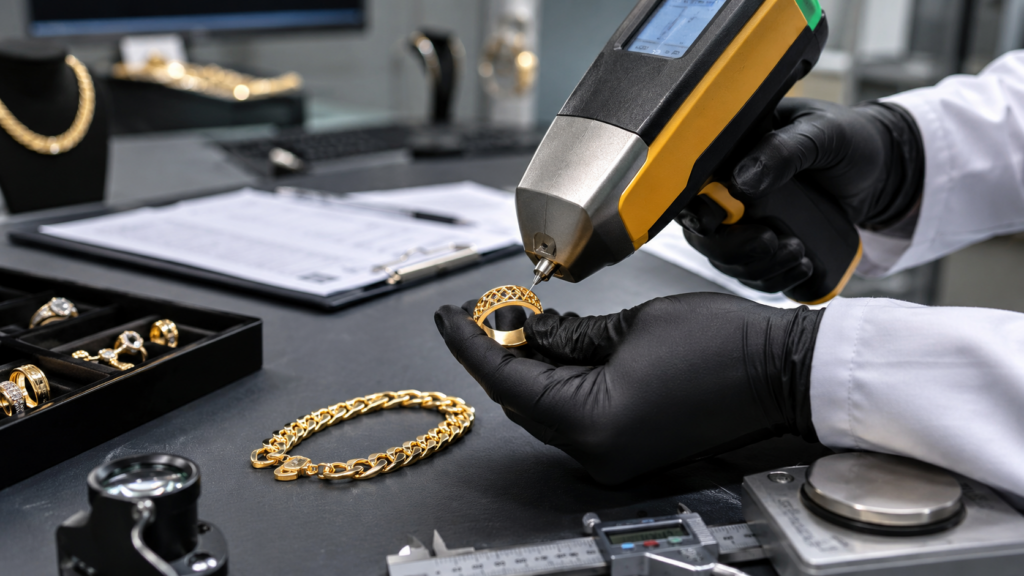
Who Should Buy Brass Jewelry?
Brass jewelry is a great fit for some shoppers but not for others.
Brass is a good choice if you:
- Love bold, statement pieces with a warm golden look
- Want affordable jewelry that looks high-end
- Enjoy handmade or artisan styles
- Are a fashion-forward shopper who rotates pieces often
- Are a jewelry brand looking for a low-cost manufacturing option
Brass may not be right if you:
- Have sensitive skin or a known metal allergy
- Want jewelry that needs zero maintenance
- Plan to wear the same piece every single day in water or sweat
- Are looking for a precious metal with resale value
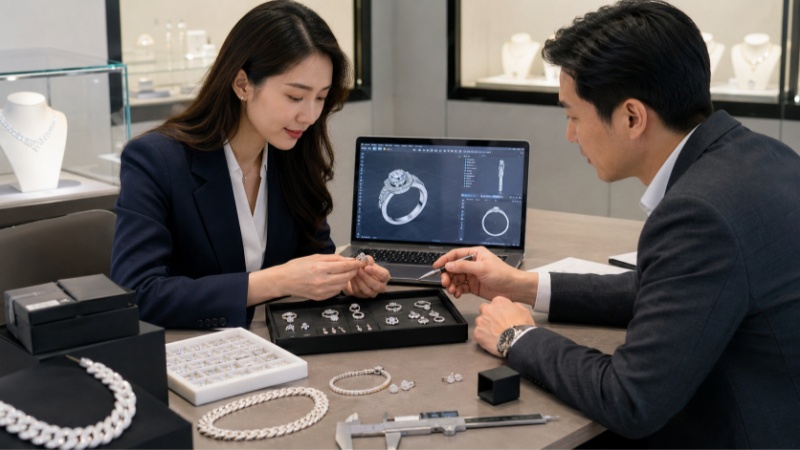
How to Choose High-Quality Brass Jewelry
Not all brass jewelry is the same. Here is how to spot quality pieces:
1. Check the Finish
High-quality brass jewelry should have a smooth, even surface. Look for polished finishes, lacquer coatings, or plating. These protect the metal and slow tarnishing.
2. Look for Nickel-Free Labels
If you have sensitive skin, specifically look for nickel-free brass. Reputable manufacturers will label this clearly.
3. Test the Weight
Quality brass pieces feel solid and have some weight. Very light pieces may be thin or poorly made.
4. Inspect the Plating Thickness
If a piece is gold-plated over brass, thicker plating lasts longer. Look for pieces described as “gold vermeil” or “heavy gold plating” (at least 2.5 microns).
5. Ask About the Alloy Composition
For B2B buyers, always ask the supplier for the brass alloy specification. C26000 (cartridge brass) and C27000 (yellow brass) are common alloys used in jewelry.
6. Read Reviews and Check the Source
Buy from established sellers, artisan markets, or trusted manufacturers. Verified buyer reviews are your best guide to real-world quality.
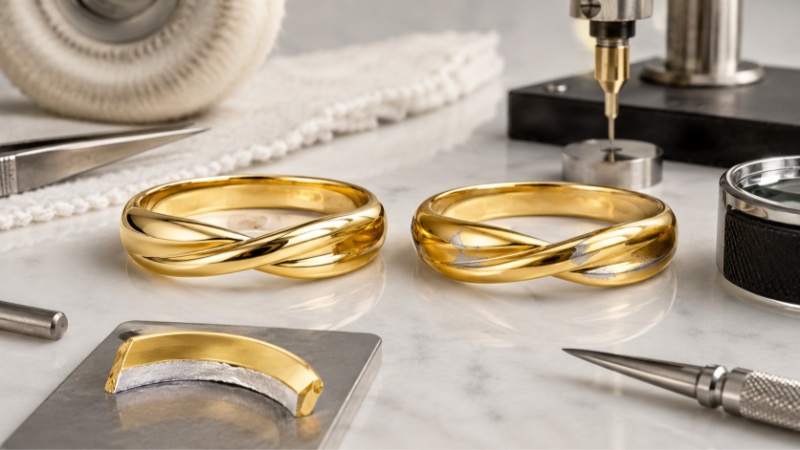
How We Evaluated Brass Jewelry
To provide you with accurate and practical information, we researched brass jewelry from multiple angles:
- Material science: We reviewed the physical and chemical properties of brass alloys commonly used in jewelry, including C26000, C27000, and C28000.
- Industry standards: We consulted jewelry manufacturing standards for metal alloys, plating thickness, and skin safety regulations.
- Consumer feedback: We analyzed common buyer complaints and praise across jewelry marketplaces and review platforms to identify real-world performance patterns.
- Expert input: Our findings are informed by conversations with jewelry manufacturers and designers who work with brass on a daily basis.
- Comparative testing: We compared brass against stainless steel, sterling silver, and gold-plated jewelry across durability, cost, maintenance, and skin safety criteria.
Our goal is to give you balanced, factual information so you can make the best decision for your style, budget, and skin sensitivity.
Key Takeaways
- Brass jewelry is affordable, stylish, and durable — but it requires regular care.
- It can tarnish and may leave green marks on skin, especially with daily wear or water exposure.
- It is not ideal for very sensitive skin unless it is nickel-free or has a protective coating.
- Stainless steel is better for everyday wear; sterling silver is better for classic looks; brass wins on design variety and price.
- With proper storage and cleaning, brass jewelry can last 5–10+ years.
- Choose pieces with a lacquer or plating to extend their life and reduce skin reactions.
- Remove brass jewelry before water exposure, sweating, or using chemicals.
Conclusion
Brass jewelry is a smart choice if you want beautiful, affordable pieces with artistic detail. It gives you a golden look at a fraction of the cost of real gold. Just remember that it needs more care than stainless steel or sterling silver to stay looking great.
For jewelry brands and retailers sourcing brass jewelry, MissJeweler is a trusted manufacturing partner to consider. MissJeweler specializes in custom brass jewelry manufacturing, offering flexible minimum order quantities (MOQ) to suit both small brands and large-scale buyers. With reliable quality control, OEM and ODM services, and deep expertise in brass alloy jewelry production, MissJeweler makes it easy for brands to bring their creative vision to life with confidence.
Frequently Asked Questions (FAQ)
Is brass jewelry good quality?
Yes, brass is a quality material for fashion and statement jewelry. It is durable, easy to detail, and long-lasting with proper care. However, it is not considered a precious metal, so its quality differs from gold, platinum, or sterling silver.
Can you wear brass jewelry every day?
You can wear brass daily, but it needs more care than other metals. Remove it before water exposure, sweating, or using cleaning products. Daily wear will speed up tarnishing. Pieces with a protective coating or plating hold up better.
Does brass jewelry turn your skin green?
Yes, brass can temporarily turn your skin green. This happens because the copper in brass reacts with sweat and oxygen. The green color is harmless and washes off easily. Applying clear nail polish to the inside of rings and bracelets can prevent this.
Is brass better than stainless steel for jewelry?
It depends on what you need. Stainless steel is more durable, more hypoallergenic, and requires less maintenance. Brass offers a warmer, more artistic look at a similar or lower price. For daily wear, stainless steel wins. For fashion and statement pieces, brass offers more design flexibility.
How long does brass jewelry last?
With regular cleaning and proper storage, brass jewelry can last 5 to 10 years or longer. Without care, it may tarnish heavily within months. Antique brass pieces have been known to survive for centuries.
Is brass jewelry waterproof?
No, brass jewelry is not waterproof. Water, sweat, and moisture accelerate tarnishing and can cause the metal to darken or develop a greenish layer. Always remove brass jewelry before swimming, showering, or exercising.
Is brass jewelry worth buying?
Yes, brass jewelry is worth buying if you want affordable, stylish pieces with a golden look. It is especially good value for statement jewelry, artisan designs, and fashion accessories. Just factor in the maintenance required to keep it looking its best.
How do you keep brass jewelry from tarnishing?
To prevent tarnishing: keep brass jewelry dry, store it in an airtight container, clean it regularly with a soft cloth, and apply a thin coat of clear nail polish or jewelry lacquer on the back of pieces that touch your skin. Avoid exposing it to perfume, lotion, water, or harsh chemicals.