
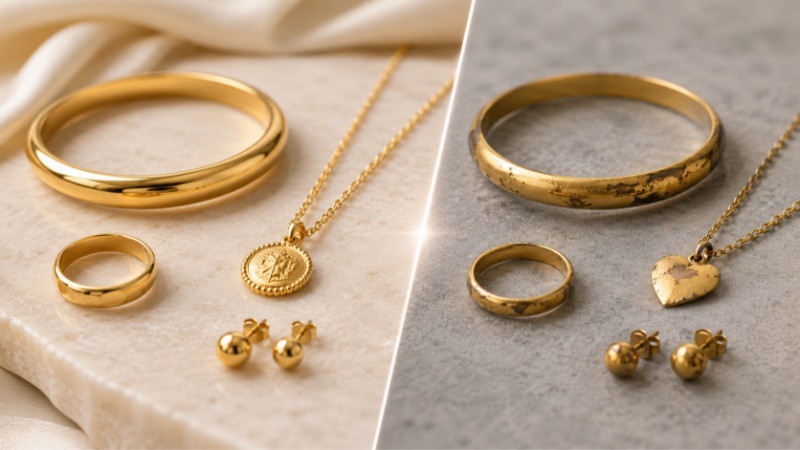
Gold vermeil vs gold-plated jewelry may look almost identical in product photos, but the two terms do not describe the same material construction. Gold vermeil uses a sterling silver base covered with a qualifying layer of real gold. Ordinary gold-plated jewelry can use brass, copper, stainless steel, zinc alloy, or another metal beneath its gold finish.
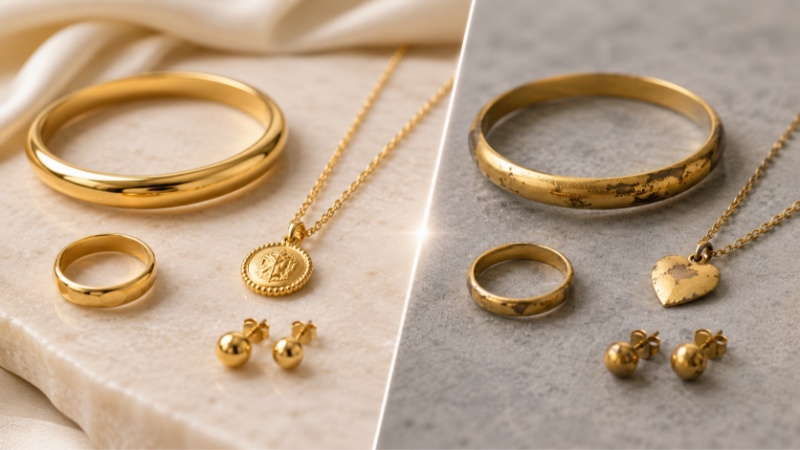
For consumers, the difference affects price, material value, durability, care, and skin sensitivity. For jewelry brands, it also affects product claims, quality control, customer expectations, and return risks. This guide compares seven important differences and explains what B2B buyers should specify before approving samples or bulk production.
What Is Gold Vermeil?
Gold vermeil is sterling silver jewelry covered with a substantial layer of real gold. Under the commonly referenced US definition, the base must be sterling silver, the gold must have a fineness of at least 10 karats, and the coating must have a thickness equivalent to at least 2.5 microns of fine gold.
The official wording matters because vermeil describes a specific material construction rather than a particular jewelry style. A necklace, ring, bracelet, pendant, or pair of earrings may qualify as vermeil when its materials and coating meet the applicable requirements.
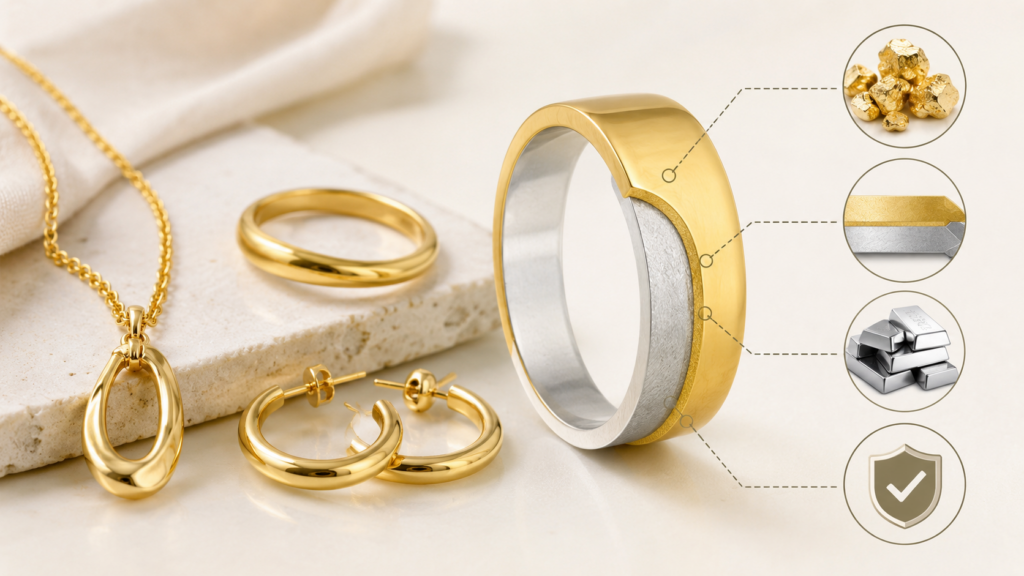
According to the US Federal Trade Commission’s jewelry guidance in 16 CFR §23.4, the term should not be used unless the product meets the required silver-base, gold-fineness, and coating conditions. Brands selling in different countries should still check local labeling rules instead of treating the US definition as universal.
What Does Vermeil Mean?
The word “vermeil” is commonly used in the jewelry industry to describe gold-coated sterling silver. It is usually pronounced “ver-MAY,” although pronunciation is less important than understanding the material specification.
Vermeil does not mean solid gold, and it does not refer to a particular shade of yellow. The term identifies what lies beneath the gold surface and how the product is constructed.
Is Gold Vermeil Real Gold?
Yes, the surface of gold vermeil contains real gold. However, the piece is not solid gold because its core is sterling silver rather than gold alloy throughout.
A 14K or 18K description refers to the fineness of the gold used in the surface layer. It does not mean that the entire ring, chain, or pendant is made from 14K or 18K gold.
One important technical detail is that the US definition refers to a coating equivalent to 2.5 microns of fine gold. Therefore, buyers should confirm how thickness is calculated and measured when using lower-fineness gold alloys rather than relying only on a simple “2.5-micron” claim.
What Is Gold-Plated Jewelry?
Gold-plated jewelry is made by depositing a layer of real gold over another metal through electroplating or a related coating process. The underlying material may be brass, copper, stainless steel, zinc alloy, sterling silver, or another suitable metal.
The term “gold plated” alone does not guarantee a particular base metal, gold thickness, undercoat, or durability level. Two products carrying the same general description can perform very differently depending on how they were manufactured.
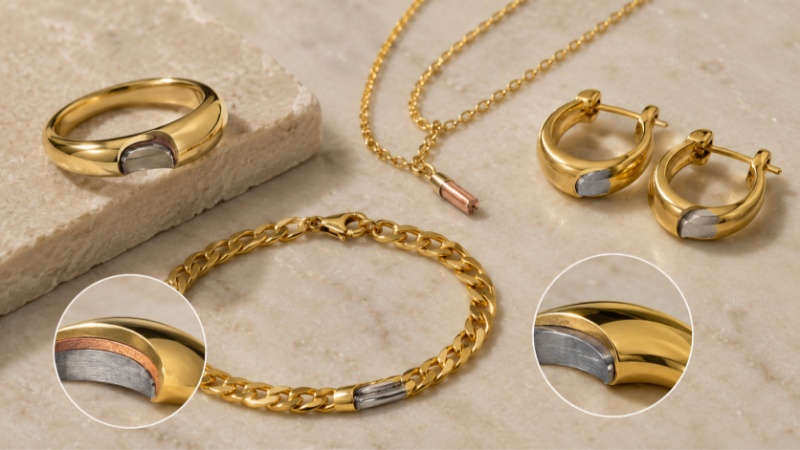
All gold vermeil is a form of gold-coated jewelry, but not all gold-plated jewelry qualifies as vermeil. Ordinary gold-plated brass, steel, or copper should never be marketed as vermeil.
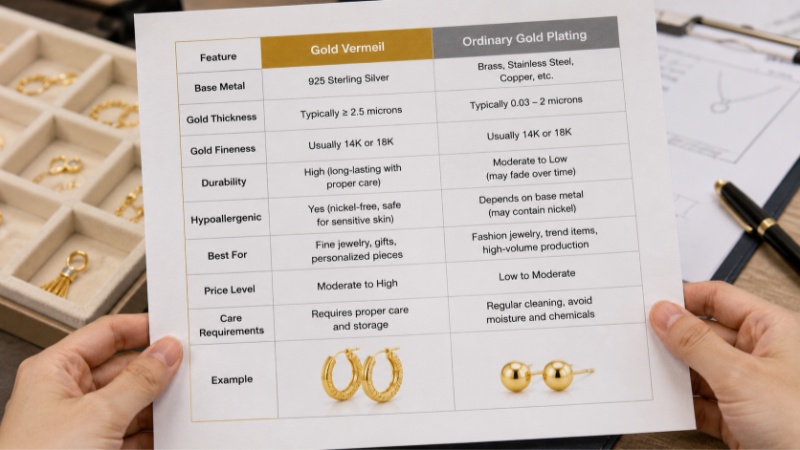
Gold Vermeil vs Gold-Plated Jewelry Comparison
The main differences involve the base metal, coating requirements, material value, durability, price, and market position.
| Feature | Gold Vermeil | Gold-Plated Jewelry |
|---|---|---|
| Base metal | Sterling silver | Brass, copper, steel, alloy, silver, or another metal |
| Surface material | Real gold | Real gold |
| Gold requirements | Must meet the applicable vermeil standard | Thickness and fineness can vary |
| Common gold fineness | Often 10K, 14K, or 18K | Can vary widely |
| Material value | Higher because of the silver base | Depends on the base metal |
| Durability | Usually better when properly produced | Depends strongly on coating and process |
| Price position | Mid-range or premium | Usually more affordable |
| Tarnish risk | Silver may tarnish where gold wears | Depends on coating and base metal |
| Skin suitability | Often better tolerated, but not guaranteed | Depends on alloys and undercoats |
| Best use | Accessible luxury and gifting | Entry-level and trend-driven products |
The table provides a useful starting point, but material names do not tell the whole story. Surface preparation, polishing, cleaning, undercoat structure, plating adhesion, design, wear frequency, and aftercare all affect real-world performance.
7 Key Differences Buyers Should Understand
1. They Use Different Base Metals
Gold vermeil must use sterling silver as its base under the commonly referenced US definition. Sterling silver normally contains 92.5% silver combined with other metals to improve strength and workability.
Ordinary gold-plated jewelry offers greater material flexibility because it may use brass, stainless steel, copper, or another alloy. This flexibility helps brands target different price points, product weights, designs, and market segments.
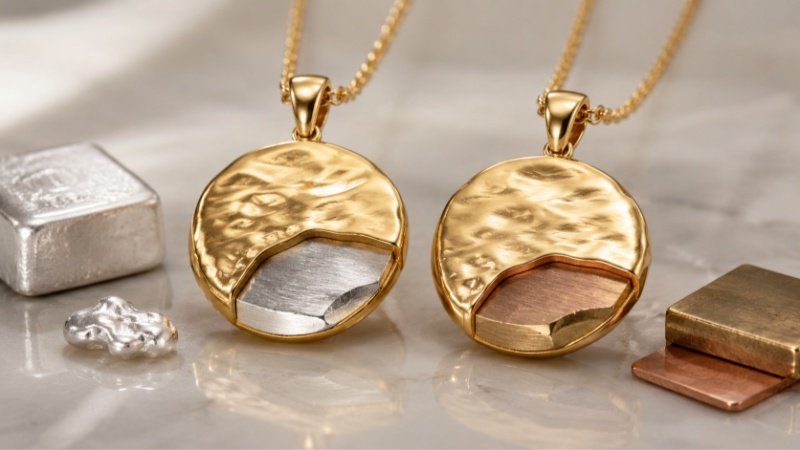
The base metal also affects tarnish behavior, perceived value, repair options, and customer expectations. A gold-plated brass pendant and a gold vermeil pendant may look similar initially but occupy different material and pricing categories.
2. Gold-Layer Requirements Are Different
A micron is one-thousandth of a millimeter and is commonly used to measure jewelry plating thickness. Gold vermeil is associated with more specific coating requirements, while ordinary gold plating can range from very light decorative finishes to more substantial coatings.
Buyers should not accept “18K gold plated” as a complete production specification. The order document should also state thickness, base metal, undercoat, surface finish, color reference, testing method, and acceptable tolerance.

Different countries may apply different consumer-protection, hallmarking, or labeling requirements. Brands selling in the United Kingdom can consult the government’s official hallmarking guidance when determining which precious-metal rules may apply.
3. Vermeil Often Resists Wear Better
A substantial and properly bonded gold coating generally resists visible wear longer than very thin flash plating. However, thickness alone does not determine whether the finish will remain stable during regular use.
Durability also depends on polishing, surface cleanliness, barrier layers, plating-bath condition, electrical parameters, product geometry, friction, sweat, chemicals, and storage. A poorly prepared surface can weaken adhesion even when the stated thickness appears sufficient.
Factory Insight: Equal Thickness, Different Performance
MissJeweler encountered two sterling silver rings that were both specified with the same 2.5-micron 18K gold finish. One maintained a stable color after several months, while the other developed localized fading much earlier.
Our production review found that the difference was not caused by the stated gold thickness alone. Variations in pre-plating polishing, surface cleanliness, and undercoat structure affected how securely the gold adhered to the silver surface.
We standardized the pre-plating preparation process, introduced undercoat-thickness checks and adhesion testing, and tightened control of the plating parameters. After these adjustments, color stability, wear performance, and batch consistency improved noticeably.
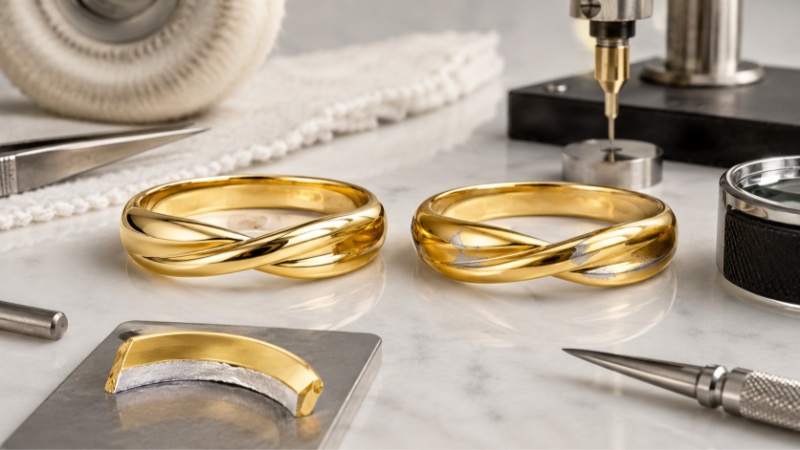
This case demonstrates why B2B buyers should examine the complete process instead of comparing micron figures in isolation. A stated thickness is useful only when the manufacturer can produce and verify it consistently.
4. They Occupy Different Price Positions
Gold vermeil usually costs more because it combines a valuable sterling silver base with a controlled gold finish. It is commonly positioned between ordinary fashion plating and solid-gold jewelry.
This makes vermeil suitable for accessible-luxury collections, premium gifts, personalized jewelry, bridal accessories, and higher-value private-label products. Customers may accept a higher retail price when the material description and finish quality support the promise.
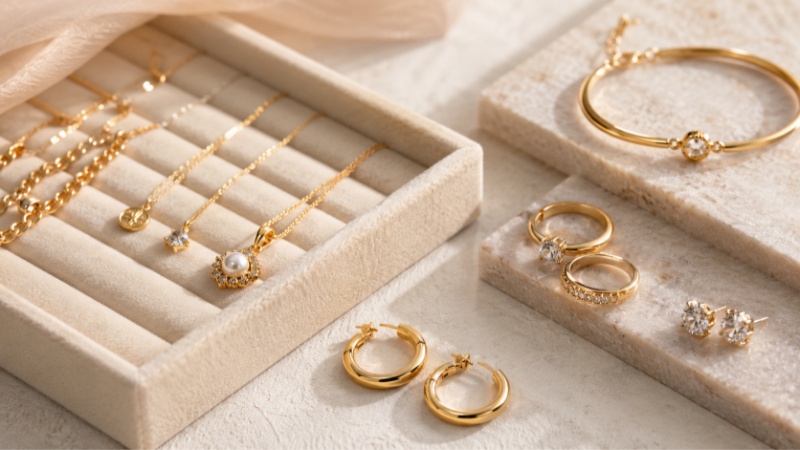
Gold-plated brass or stainless steel may be more appropriate for entry-level collections, promotional lines, trend testing, or high-volume fashion products. The lower price is not automatically a disadvantage when it matches the target customer and product strategy.
5. Tarnish and Fading Develop Differently
Gold vermeil can tarnish, fade, or become dull over time. The gold surface may gradually wear through friction, while the underlying sterling silver may tarnish where it becomes exposed.
Perfume, cosmetics, sweat, chlorine, humidity, detergents, and household chemicals can accelerate visible changes. Rings and bracelets usually experience more friction than earrings and pendants, so product type also affects longevity.

Tarnish should not automatically be treated as proof that a product is fake. Brands should distinguish between silver tarnish, plating wear, dirt buildup, color variation, and genuine manufacturing defects.
6. Skin Sensitivity Depends on Construction
Sterling silver is often better tolerated than some low-cost alloys, but vermeil should not automatically be described as completely hypoallergenic. A customer reaction may involve the silver alloy, solder, nickel-containing undercoat, exposed metal, or individual sensitivity.
The same issue applies to ordinary gold-plated jewelry because the gold surface can eventually wear at high-contact areas. Once the undercoat or base metal becomes exposed, the wearer may come into contact with materials not visible at the time of purchase.
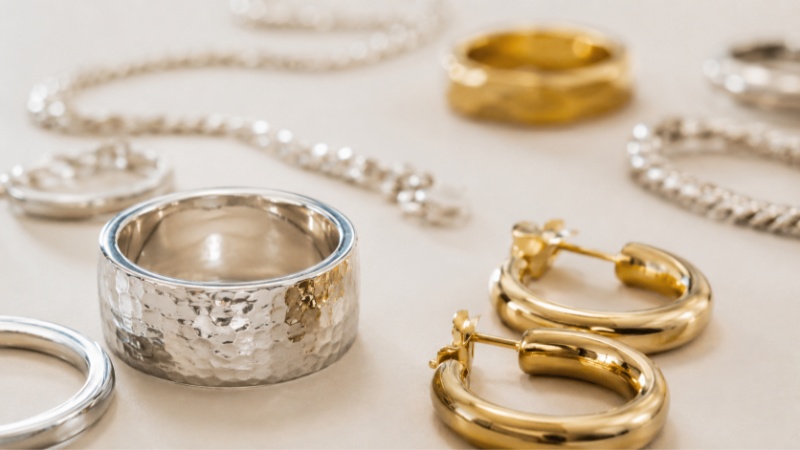
B2B buyers should request information concerning nickel, lead, cadmium, solder, and other restricted substances. The European Chemicals Agency provides official information on substances restricted under REACH, including restrictions relevant to products placed on the European market.
7. Vermeil Supports Premium Positioning
Material terminology influences product descriptions, packaging, pricing, warranties, and customer trust. A genuine vermeil collection can support a stronger premium message because it combines real gold with sterling silver.
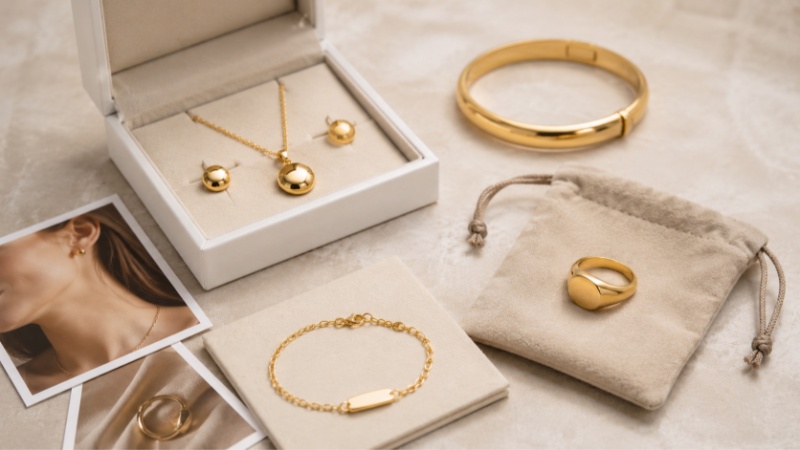
That premium position also creates higher customer expectations regarding color consistency, durability, repairs, and after-sales support. Brands should avoid using premium terminology unless their production specifications and quality-control records support the claim.
Mislabeling gold-plated brass as vermeil may create compliance risks and damage long-term trust. Accurate material claims protect both buyers and the reputation of the jewelry brand.
Is Gold Vermeil Better?
Gold vermeil may be the better option when a brand wants a sterling silver base, higher material value, premium pricing, and a more substantial finish. It is particularly suitable for personalized jewelry, gifts, bridal accessories, and accessible-luxury collections.
Ordinary gold-plated jewelry may be better when affordability, fast trend testing, low opening prices, or flexible base metals are more important. Stainless steel and brass can also provide practical advantages for particular designs and customer groups.
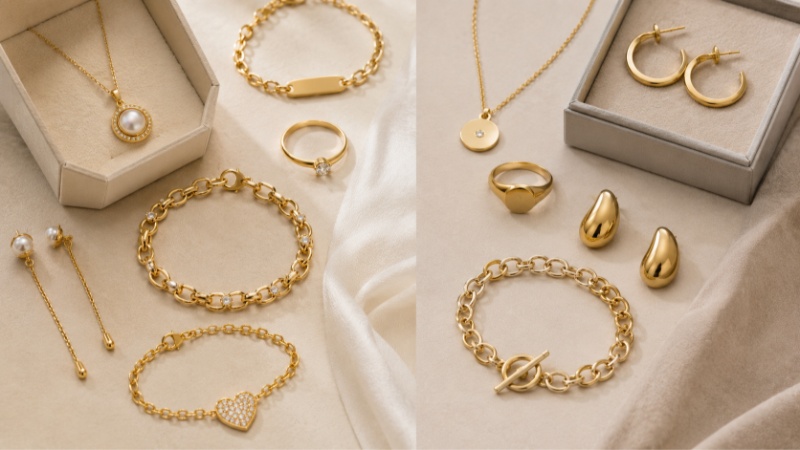
Neither option is universally superior. The right choice depends on the target customer, retail price, expected wear, product type, and promises made by the brand.
How Long Does Gold Vermeil Last?
There is no universal lifespan for gold vermeil jewelry. Longevity depends on thickness, gold fineness, undercoat structure, surface preparation, product type, wear frequency, skin chemistry, cleaning, and storage.
A pendant worn occasionally may keep its appearance longer than a ring exposed daily to handwashing, friction, and chemicals. Comparing lifespan claims without considering the product category can therefore be misleading.
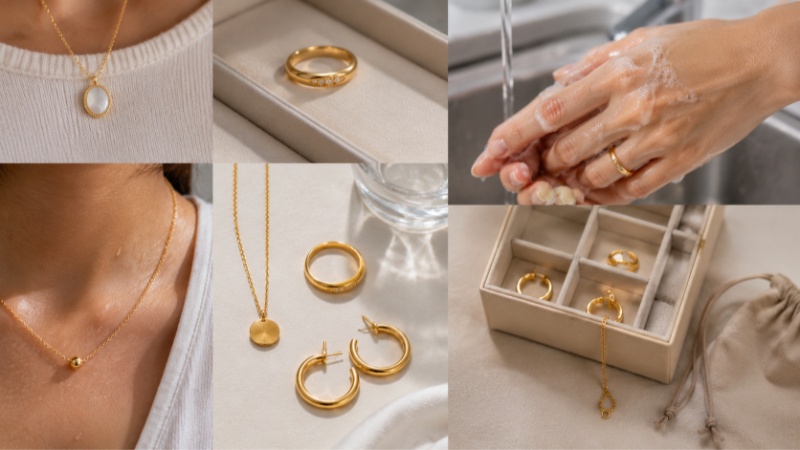
Well-made vermeil can maintain its finish significantly longer than very thin gold plating. However, every plated surface will gradually wear with regular use, so fixed guarantees such as “always lasts five years” should be avoided.
Does Gold Vermeil Tarnish?
Tarnish and fading are related but different changes. Tarnish is normally a chemical surface reaction, while fading commonly describes the gradual loss of the gold finish through abrasion.
The exposed sterling silver beneath worn plating may darken when it reacts with sulfur-containing substances in the environment. This does not necessarily indicate a manufacturing defect if the change occurs gradually in areas exposed to normal wear.
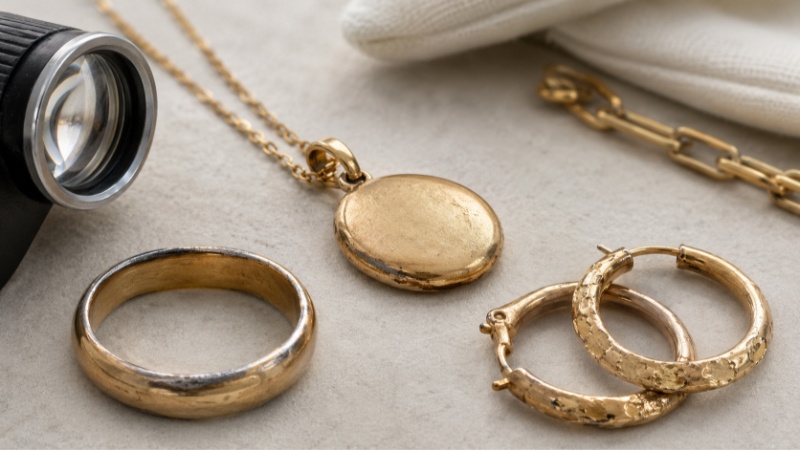
Lotions, oil, soap, and cosmetics can also create a dull film on the surface. Cleaning away residue may restore the appearance when the gold layer itself has not been damaged.
Rapid peeling, bubbling, severe color differences, or unusually poor adhesion may point to a production problem. Brands should investigate the failure pattern before deciding whether a customer claim involves normal wear or defective manufacturing.
How to Care for Gold Vermeil
Keep gold vermeil away from perfume, lotion, household cleaners, chlorine, and other aggressive chemicals. Applying cosmetics before putting on jewelry can reduce direct chemical contact with the finish.
Remove vermeil jewelry before swimming, bathing, exercising, or doing household work. Reducing moisture, sweat, friction, and impact helps slow both plating wear and surface dullness.
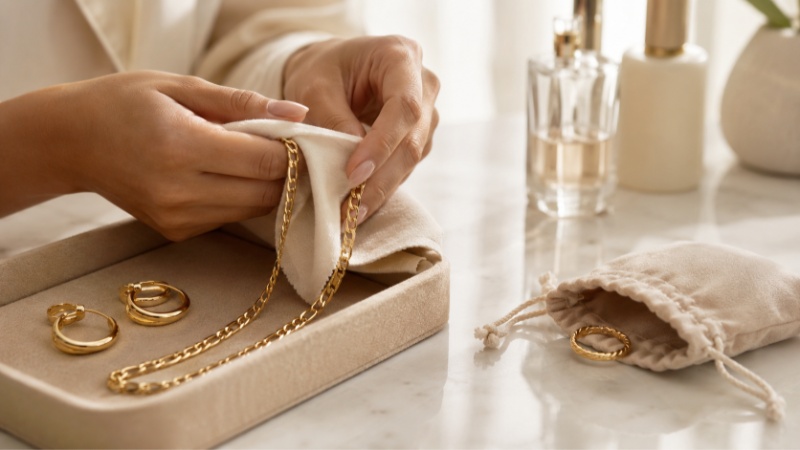
Wipe the piece gently with a soft, dry cloth after use and store it separately in a soft pouch. Avoid abrasive cleaners, aggressive polishing cloths, and silver dips while the gold surface remains intact.
When the finish becomes visibly worn, professional cleaning and replating may be appropriate. Replating can restore appearance when the sterling silver structure remains sound and the piece can be safely refinished.
What Should Brands Ask Manufacturers?
Confirm the Sterling Silver Base
Request written confirmation that the product uses 925 sterling silver. The specification should also cover findings, clasps, chains, solder, posts, and other components rather than only the main jewelry body.
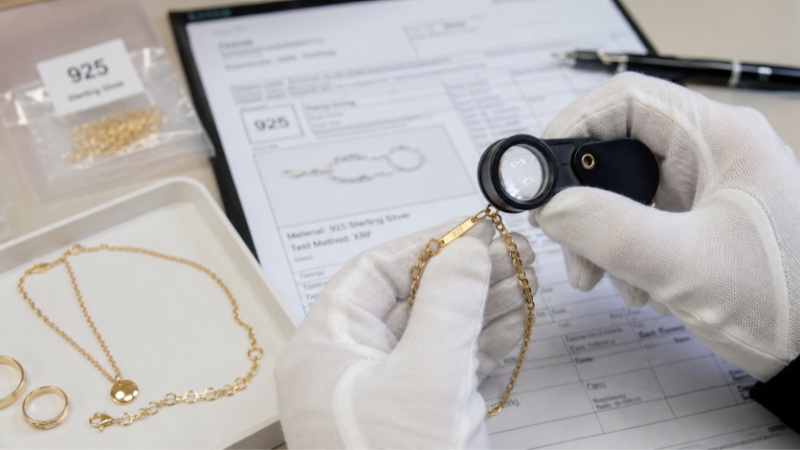
Material reports, hallmark requirements, and testing methods should be agreed before production. A 925 stamp is useful, but it should not replace supplier documentation and appropriate material verification.
Define Gold Color and Thickness
The purchase specification should identify the gold karat, color, thickness range, undercoat, surface finish, and acceptable color tolerance. A vague description such as “premium 18K plating” is not measurable enough for repeat bulk production.
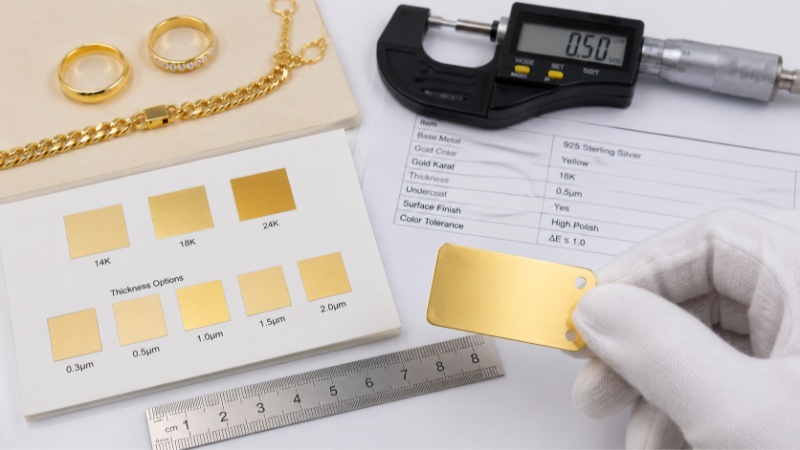
Brands should establish an approved physical color sample or another controlled reference. Photographs alone can be unreliable because lighting, cameras, screens, and editing may alter the visible color.
Approve Standards, Not Only Samples
A visually attractive sample may not define plating thickness, material composition, undercoat structure, polishing quality, color tolerance, or testing requirements. The approved sample should be supported by measurable written specifications.
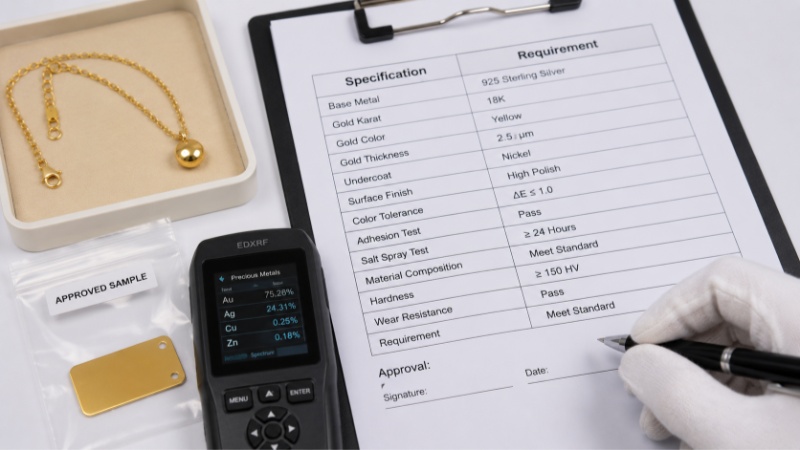
The sample can remain the visual reference, but the specification should control repeated production. This approach reduces disagreements when later batches are compared with the original approval piece.
Factory Experience: Preventing Bulk Differences
MissJeweler once took over a project where the approved sample looked correct, but the bulk order showed gold-color differences and inconsistent durability. The previous supplier had recorded plating thickness but had not established a clear color reference, undercoat requirement, or batch-testing process.
MissJeweler created a written standard covering the acceptable thickness range, approved color reference, plating structure, and finished-product acceptance criteria. We also introduced thickness checks, color comparison, applicable salt-spray testing, and final random inspection before shipment.
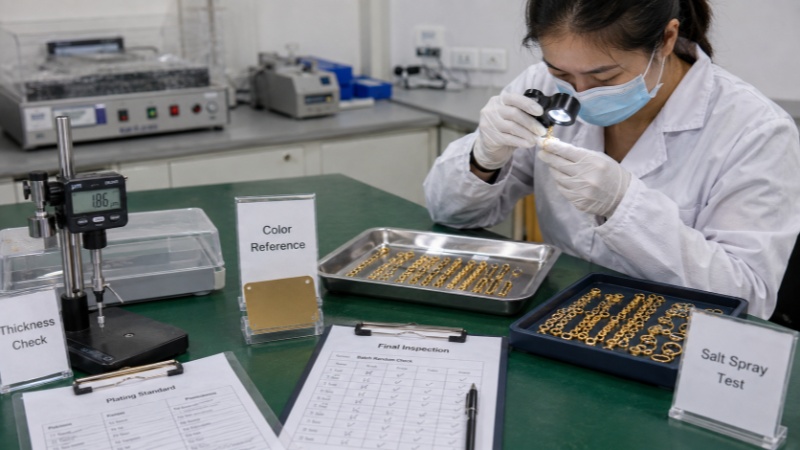
After these controls were introduced, batch consistency improved and customer complaints and returns decreased. Later orders were also able to maintain a more stable appearance and quality level.
This case shows why one successful sample cannot guarantee consistent bulk production. A visual sample must be supported by repeatable process controls and documented inspection standards.
Ask How Quality Is Tested
Relevant inspections may include material verification, plating-thickness measurement, adhesion assessment, surface inspection, color comparison, wear testing, and final random inspection. No single test provides a complete picture of real-world performance.
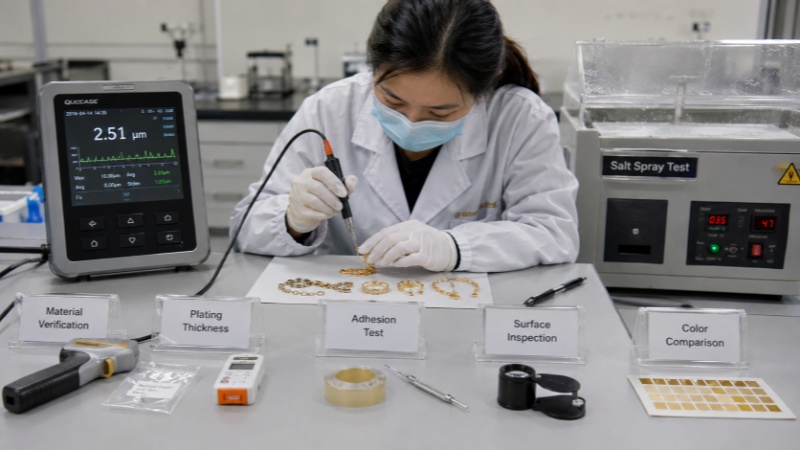
Buyers should also ask where thickness is measured because flat surfaces are usually easier to plate than edges, recessed areas, prongs, and chain links. Testing only one convenient point may hide inconsistent coverage in high-wear locations.
Salt-spray testing may support certain comparative or internal assessments, but it should be used carefully. It does not independently predict exactly how many months a piece will last during real human wear.
Confirm Market Compliance
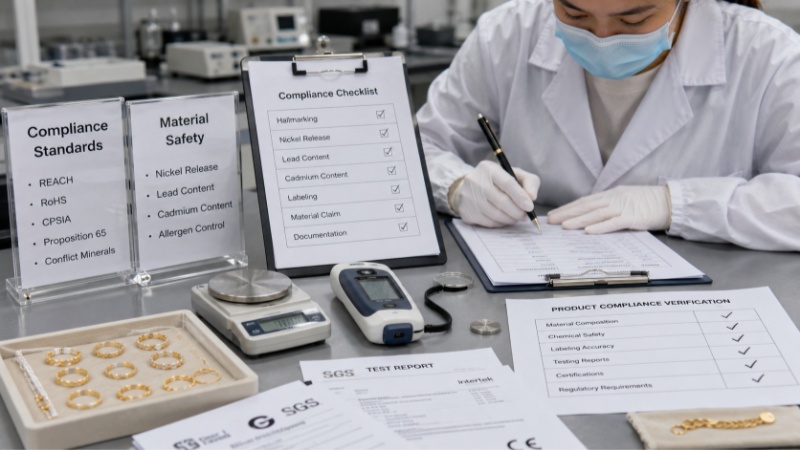
Compliance requirements can vary depending on the destination country, product type, intended user, and material claim. The manufacturer and buyer should identify applicable rules before approving production rather than after the goods are completed.
Relevant areas may include hallmarking, nickel release, lead, cadmium, labeling, and substantiation of precious-metal descriptions. A specification accepted in one market should not automatically be assumed to comply in another.
Vermeil, Gold Filled, and Solid Gold
Gold vermeil consists of a sterling silver base covered with gold. Its identity depends on both the silver core and the qualifying gold layer.
Gold-filled jewelry generally uses a base metal mechanically bonded with a comparatively substantial gold layer. Its manufacturing method and terminology differ from electroplated vermeil.
Solid-gold jewelry uses a gold alloy throughout the entire item rather than only at the surface. It normally offers greater intrinsic material value but comes with a much higher production and retail cost.
Ordinary gold-plated jewelry uses a deposited gold coating over a base metal of variable type and value. The four terms should not be treated as interchangeable in product descriptions.
Which Option Should Your Brand Choose?
Choose gold vermeil when your collection requires a sterling silver base, accessible-luxury pricing, personalized designs, premium gifting, or stronger material-value messaging. It is most suitable when the brand can support clear specifications, proper care guidance, and realistic customer expectations.
Choose ordinary gold plating when lower cost, trend testing, high-volume production, or brass and stainless steel construction are more important. A well-made plated product can still deliver strong value when it is accurately described and matched to the correct market position.
Whichever option you select, the product description must match the actual production specification. The base metal, gold fineness, thickness, undercoat, color, and testing requirements should be documented before bulk manufacturing begins.
Frequently Asked Questions
What Does Gold Vermeil Mean?
Gold vermeil means sterling silver jewelry covered with a qualifying layer of real gold. The exact labeling requirements should be checked for the market where the product will be sold.
Is Gold Vermeil Real Gold?
Yes, the surface contains real gold, but the item is not solid gold. Its main structural base is sterling silver.
Is 18K Vermeil Better Than Gold Plating?
It generally offers a more valuable base metal and may use a more substantial gold finish. Actual durability still depends on thickness, preparation, undercoat structure, adhesion, craftsmanship, and care.
Does Gold Vermeil Turn Green?
Properly made vermeil is less likely to cause the green discoloration associated with some copper-rich base metals. However, reactions can still depend on exposed metal, plating wear, skin chemistry, solder, and undercoat materials.
Can Gold Vermeil Be Replated?
Yes, worn vermeil can often be cleaned, polished, and replated by a qualified jeweler or manufacturer. Replating is usually possible when the sterling silver piece remains structurally sound.
Conclusion
Gold vermeil vs gold-plated jewelry differs in base metal, gold requirements, durability, price, material value, and market positioning, even though both categories use real gold on the surface. Buyers should verify measurable production specifications, process controls, and applicable labeling rules instead of relying only on product names.
Develop Your Gold Vermeil Collection
Contact MissJeweler to discuss custom 925 sterling silver jewelry, gold color, plating specifications, CAD development, sampling, quality inspection, private labeling, and bulk-production requirements.