
Introduction
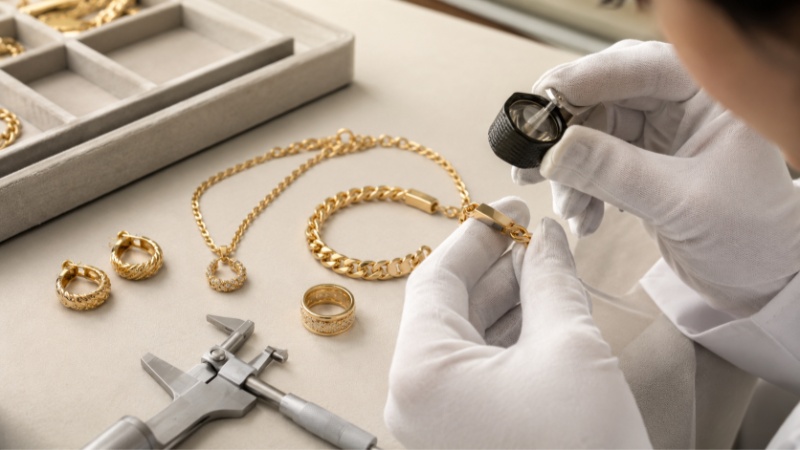
Gold plated jewelry can last from several months to a few years, depending on plating thickness, base metal, wearing habits, care, and production quality.For consumers, this question is usually about daily wear, but for B2B buyers, it also affects reviews, return rates, brand trust, and repeat orders.A beautiful product photo does not always prove plating durability, especially when buyers are sourcing for wholesale or private-label collections.Brands should confirm plating standards before bulk production, not only check the surface color after the goods are finished.This guide explains how long gold plated jewelry usually lasts and what buyers should check before placing bulk orders.
How Long Does Gold Plated Jewelry Usually Last?
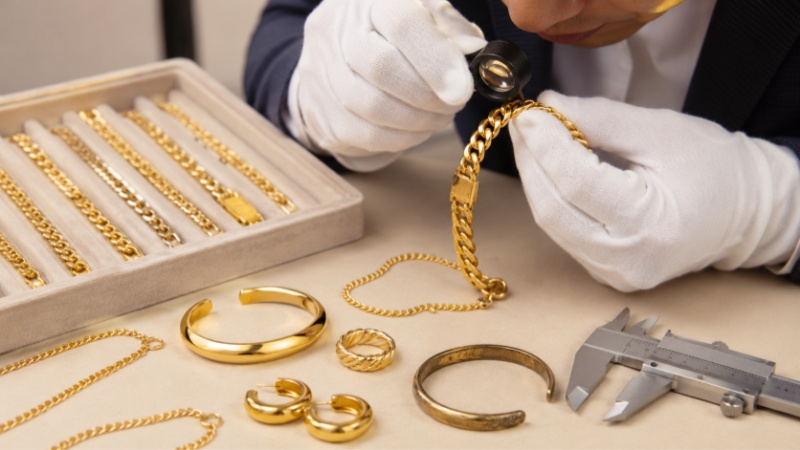
Gold plated jewelry usually lasts from 6 months to 2 years or longer under normal use, but the real lifespan depends on how the jewelry is made and worn. Occasional-wear earrings or pendants may keep their color longer, while daily-wear rings and bracelets often fade faster. Water, sweat, perfume, friction, and poor storage can all shorten the life of the gold layer.
For B2B buyers, the answer is not only about time. A buyer should also consider plating thickness, base material, polishing quality, surface preparation, color consistency, and final QC. Two products may look similar in photos, but their long-term performance can be very different if one has weaker plating control.
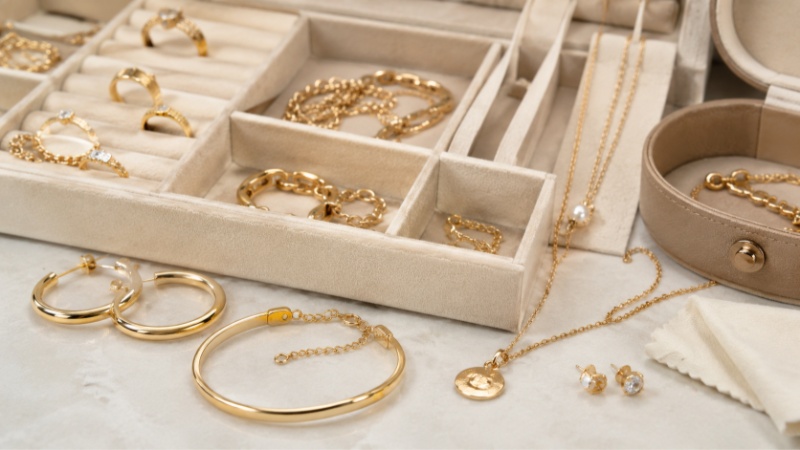
Gold plated jewelry is a practical choice for fashion jewelry brands because it offers an attractive gold look at a more accessible price than solid gold. It is useful for trend testing, seasonal collections, entry-level jewelry lines, and custom designs. However, the product should be sold with clear expectations and proper care instructions.
Why Gold Plated Jewelry Does Not Last Forever
Gold plating is a surface layer, not solid gold throughout the jewelry. Over time, friction and chemicals can slowly wear down this layer and expose the base metal underneath. This is why gold plated jewelry is more affordable than solid gold, but also why it requires better care and production control.
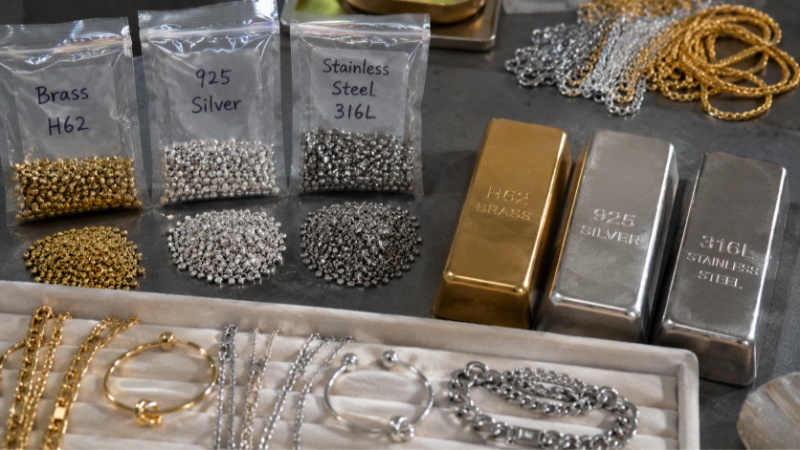
The base metal also affects the final result. Brass, stainless steel, and 925 sterling silver can all be used for gold plated jewelry, but they perform differently in polishing, color stability, skin reaction, and product positioning. Low-grade base metals may create more risk, especially if the plating layer becomes thin or damaged.
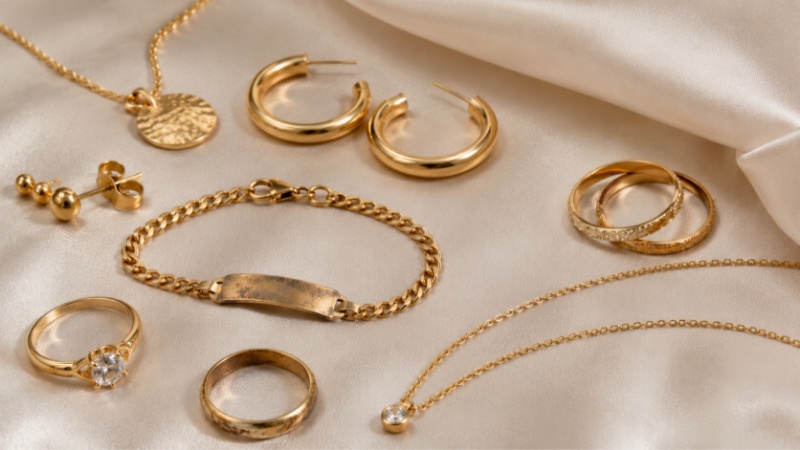
Gold plated jewelry may fade, tarnish, discolor, or show exposed base metal. Fading means the gold color becomes lighter, tarnishing means the surface becomes dull or dark, and discoloration may come from chemicals, sweat, or base metal reaction. Honest product descriptions help brands reduce customer misunderstanding.
7 Factors That Affect Gold Plated Jewelry Lifespan
1. Plating Thickness
Plating thickness is one of the most important factors in durability. In general, thicker plating lasts longer because there is more gold layer to resist friction and daily wear. This is especially important for rings, bracelets, Cuban chains, and other products that touch skin, clothing, tables, and hard surfaces often.
B2B buyers should not only ask whether a product is “gold plated.” They should ask suppliers to confirm the plating color, plating thickness, and process standard before bulk production. A clear written specification is more reliable than a simple product description or a photo.
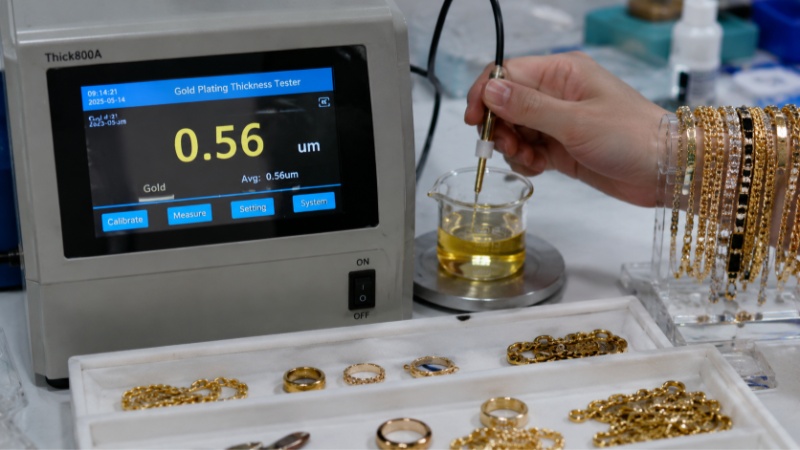
Different product positions may require different plating standards. Affordable fashion jewelry, higher-positioned silver jewelry, and hip hop jewelry may not need the same plating thickness or finish. Buyers should match the plating standard with the target customer, retail price, and expected wearing frequency.
2. Base Metal Quality
Base metal quality affects plating adhesion, color stability, polishing result, and customer experience. Brass is common for affordable fashion jewelry because it is cost-effective and easy to shape. Stainless steel is strong and stable, while 925 sterling silver works well for higher-positioned plated jewelry.
A good supplier should make the base metal clear before production starts. If the base material is not confirmed, buyers may face problems with quotation accuracy, product value, skin sensitivity claims, and repeat order consistency. This is especially important for private-label brands selling to stricter markets.
For compliance and market safety, buyers should also pay attention to restricted substances. In Europe, the ECHA REACH regulation gives important guidance on chemical restrictions, including substances that may affect jewelry products. This does not replace supplier testing, but it reminds brands to treat material control seriously.
3. Surface Preparation Before Plating
Surface preparation can decide whether plating attaches well or fails early. Before plating, the jewelry should be polished, cleaned, and treated properly. If the surface is rough, oily, dusty, or uneven, the gold layer may not bond well.
Poor surface preparation can cause uneven color, peeling, or faster fading. Even when two pieces use the same gold color, the final result can differ if one has better polishing and pre-treatment. This is why B2B buyers should care about production steps, not only the final product image.
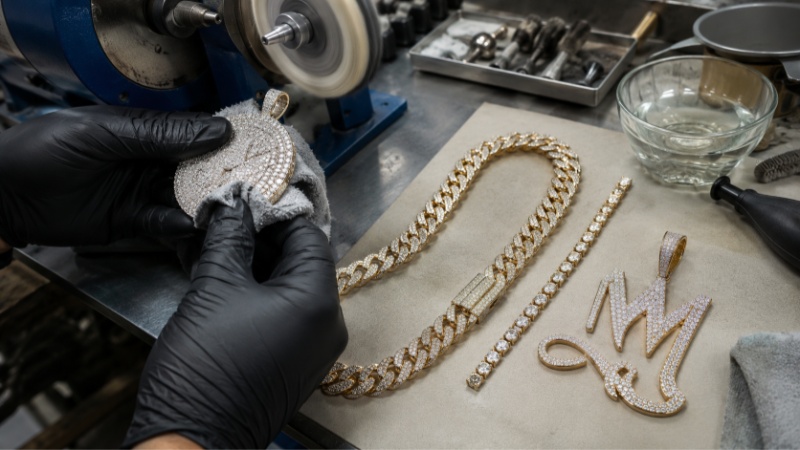
A reliable factory should control polishing and cleaning before plating. This is especially important for detailed jewelry, such as iced-out pendants, Cuban chains, tennis bracelets, and custom logo jewelry. Small edges and stone areas need careful handling because they can become weak points after long-term wear.
Factory Experience: Price and Photos Are Not Enough
At Missjeweler, we have seen buyers focus mainly on low price and product photos before placing bulk gold plated jewelry orders. After production, some orders received feedback about fading, color differences, and partial plating loss. When we checked the details, the issue was not caused by one single problem.
The main causes were unclear plating thickness requirements, insufficient base metal surface treatment, and weak sample-to-bulk confirmation. In other words, the product looked good at first, but the production standard was not clear enough. For B2B buyers, this creates risk because sample quality and bulk quality may not stay consistent.
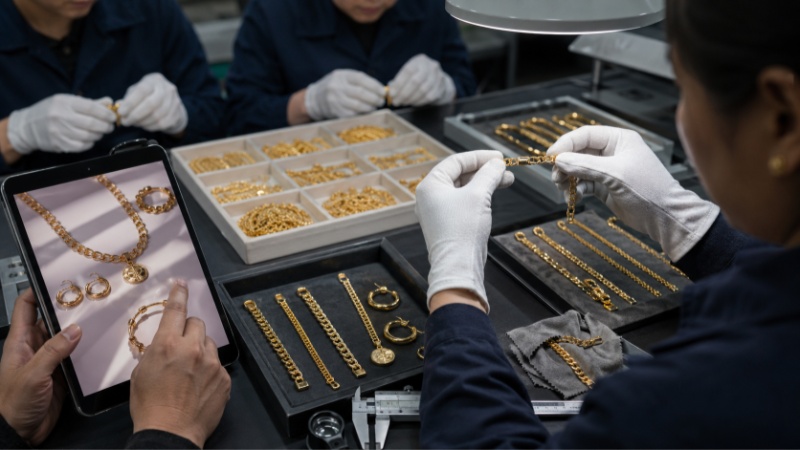
Our solution was to reconfirm plating color, thickness, and process standards before production. We also strengthened polishing and pre-treatment, used an approved sample as the final reference, and added wear resistance and adhesion checks when needed. After these steps, complaints became easier to control and repeat orders became more stable.
This experience shows that plating durability should be managed before production starts. It is much harder to fix customer complaints after goods are sold. Brands should work with suppliers who can discuss specifications clearly instead of only offering attractive photos and low prices.
4. Wearing Frequency
Daily-wear jewelry fades faster than occasional-wear jewelry. Rings and bracelets usually receive more friction because they touch hands, desks, bags, clothing, and hard surfaces throughout the day. This makes them more vulnerable than earrings or pendants.
Wearing frequency should affect product planning. If a brand wants to sell daily-wear rings or bracelets, stronger plating and clear care instructions are important. If the brand wants to test a new collection with lower risk, earrings and pendants can be easier first products.
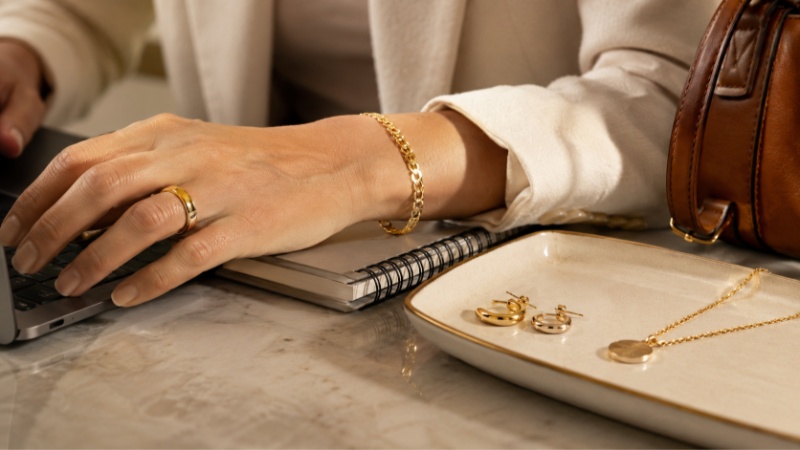
B2B buyers should not use one durability expectation for every product type. A gold plated pendant and a gold plated ring may use similar plating, but the ring usually faces more stress. This difference should be considered when writing product descriptions and setting customer expectations.
5. Contact With Water and Chemicals
Water, sweat, perfume, lotion, chlorine, alcohol, and cleaning products can shorten gold plating lifespan. These substances may weaken the surface finish or speed up discoloration. Customers who wear jewelry during showering, swimming, exercising, or cleaning may see faster fading.
Care instructions are not only for consumers; they are also useful for brands. A clear care card can reduce after-sales problems and help customers understand how to protect their jewelry. Brands can include care guidance on product pages, packaging inserts, email flows, and wholesale catalogs.
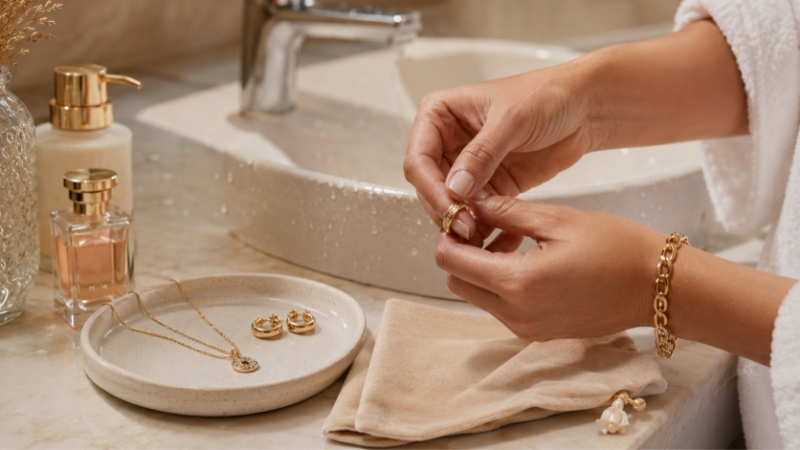
Gold plated jewelry should be kept dry and stored separately. Customers should remove it before showering, swimming, exercising, or applying perfume. A soft dry cloth and a separate pouch can help reduce scratches and slow down wear.
6. Jewelry Design Structure
Product structure affects where plating wears first. Rings often fade around the bottom and edges because of hand contact. Bracelets and Cuban chains have more movement, while tennis bracelets and iced-out jewelry have stone areas, corners, and small details that need extra attention.
The more edges, stones, links, and moving parts a design has, the more careful the plating process should be. A simple pendant may have fewer wear points, while an iced-out bracelet has many small surfaces that need consistent polishing, plating, and inspection. Design complexity should influence the production standard.
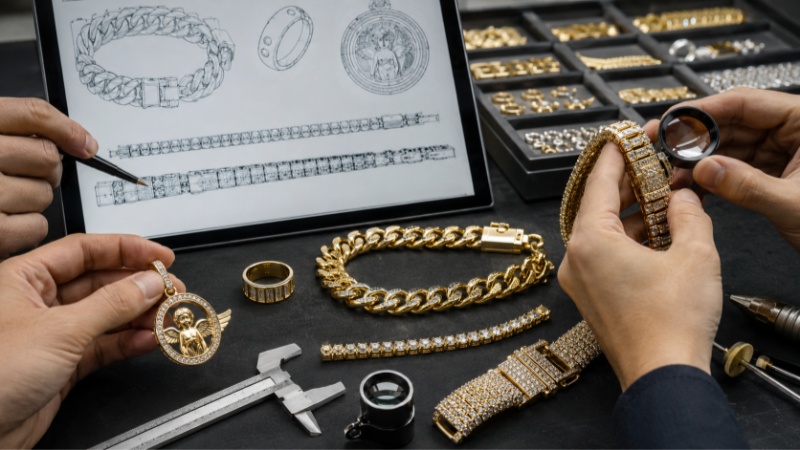
This is why custom jewelry should be reviewed before bulk production. CAD files, samples, stone layout, polishing level, and plating requirements should be confirmed together. For B2B buyers, strong product development can reduce sample-to-bulk differences.
7. Supplier Quality Control
Supplier QC is one of the biggest factors behind gold plated jewelry durability. A supplier should not only produce the design, but also help confirm material, plating color, thickness, polishing, stone setting, and final appearance. Good QC reduces hidden risks before shipment.
Buyers should ask for approved samples and written specifications. These records help both sides confirm what standard the bulk order should follow. They are also useful for repeat orders, because the next batch can be compared with the original approved standard.
Quality systems can also help suppliers manage consistency. For example, ISO 9001 is a widely recognized quality management standard, and many buyers use it as a reference when evaluating supplier process control. It does not guarantee every product is perfect, but it supports a more structured quality mindset.
Does Gold Plated Jewelry Fade or Tarnish?
Yes, gold plated jewelry can fade over time. This happens faster when the plating is thin, the surface preparation is poor, or the jewelry is exposed often to sweat, perfume, water, chemicals, and friction. This is a normal limitation of plated jewelry, not always a sign of fake jewelry.
Buyers should understand the difference between fading, tarnishing, discoloration, and exposed base metal. Fading means the gold tone becomes weaker, tarnishing means the surface becomes dull or darker, discoloration means the color changes, and exposed base metal means the gold layer has worn away. These words should not be used carelessly in product descriptions.
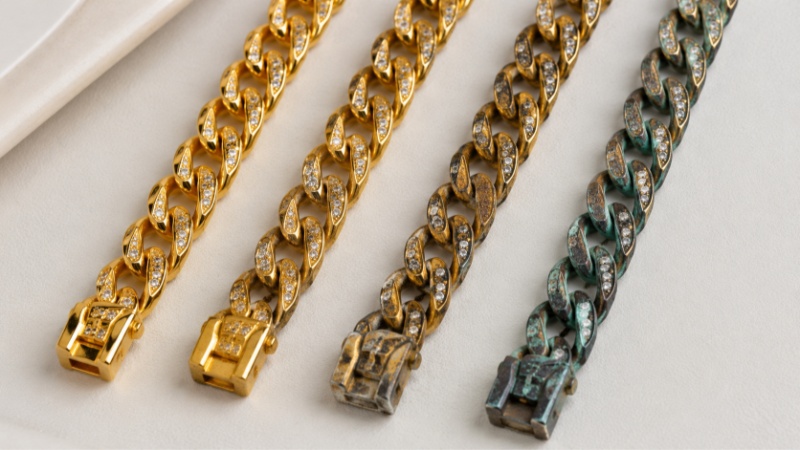
Clear wording helps brands build trust. Instead of promising that gold plated jewelry will never fade, brands can explain that durability depends on use, care, and plating quality. This is more honest and helps reduce unrealistic customer expectations.
Gold Plated vs Gold Filled vs Gold Vermeil
Gold plated, gold filled, gold vermeil, and solid gold are not the same. They use different base materials, gold layers, durability levels, and price positions. B2B buyers should choose based on target customer, budget, retail price, and product category.
| Buyer Type | Suitable Option | Best For |
|---|---|---|
| Personal buyers | Charles & Colvard / Brilliant Earth | Finished jewelry and retail shopping |
| Style comparison | MoissaniteCo / Etsy / Amazon | Browsing designs and price ranges |
| Brands and wholesalers | Missjeweler | Custom moissanite jewelry, samples, bulk orders, and repeat production |
In the United States, jewelry terms should be used carefully. The FTC Jewelry Guides provide guidance on jewelry marketing claims, including precious metal descriptions. B2B buyers should avoid unclear or exaggerated wording when selling plated, vermeil, filled, or solid gold products.
There is no single best option for every jewelry brand. Gold plated jewelry is practical for fashion collections and price-sensitive buyers. Gold vermeil may work better for higher-positioned silver jewelry, while solid gold is more suitable for fine jewelry customers with higher budgets.
Which Gold Plated Jewelry Products Last Longer?
Earrings usually last longer than many other gold plated products. They have less friction, less contact with hard surfaces, and fewer daily impact points. For new brands, earrings can be a practical category for testing gold plated collections.
Pendants and necklaces also usually perform well when properly plated. They are good options for custom name jewelry, logo pendants, photo pendants, moissanite pendants, and simple chain collections. Because they face less rubbing than rings and bracelets, their color may stay stable longer under proper care.
Rings usually fade faster because hands are exposed to water, soap, sweat, friction, and hard surfaces. Customers may wash hands, carry bags, open doors, or touch desks while wearing rings. For this reason, rings need stronger plating control and very clear care instructions.
Bracelets and Cuban chains have medium to high friction. They move against skin, clothing, tables, and bags, while Cuban links create many contact points. For hip hop jewelry buyers, plating color consistency, polishing smoothness, and final inspection are especially important.
Tennis bracelets and iced-out jewelry need both plating QC and stone-setting QC. Stone areas, edges, corners, and moving parts can wear faster than flat surfaces. These designs should be checked carefully before shipment to reduce fading and loose-stone complaints.
Factory Experience: High-Friction Products Need Stricter Control
From Missjeweler’s production experience, rings, bracelets, and Cuban chains are more likely to show fading or wear. These products often face friction, sweat, and hard-surface contact during daily use. They usually need thicker plating, better polishing, and stricter QC.
Tennis bracelets and iced-out jewelry need extra attention around stone-setting areas, edges, and corners. These parts have more detailed surfaces and more contact points, so plating quality and stone-setting quality should be checked together. Buyers should not separate plating inspection from overall product inspection.
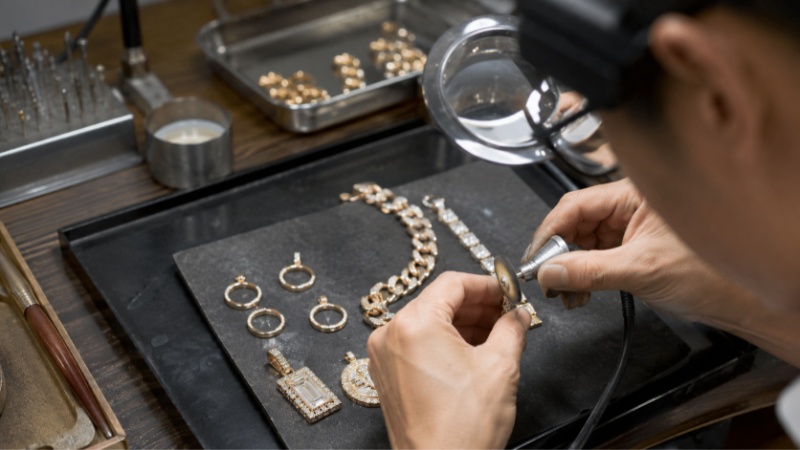
Pendants, necklaces, and earrings usually last longer because they touch fewer hard surfaces. For new jewelry brands, these lower-friction categories can be a practical first step for market testing. After customer feedback is stable, brands can gradually expand into rings, bracelets, Cuban chains, and other higher-wear products.
How B2B Buyers Can Reduce Plating Problems
B2B buyers can reduce plating problems by confirming details before production starts. The first step is to confirm the base metal, because brass, stainless steel, and 925 silver support different product positions. The second step is to confirm gold color, such as yellow gold, white gold, or rose gold.
Plating thickness, polishing standard, and surface preparation should also be written clearly. If a buyer only says “gold plated,” the supplier may not understand the real durability expectation. Clear specifications help both sides avoid misunderstanding.
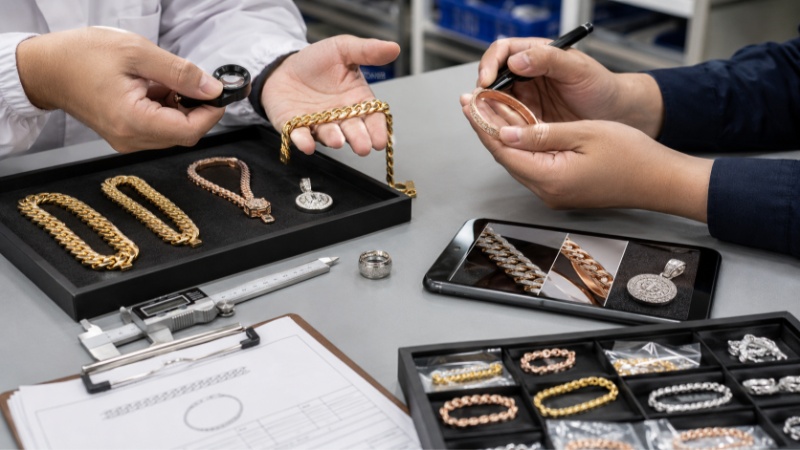
Approved samples are very important for bulk production. A sample should not only show the design, but also confirm color, plating quality, stone setting, size, weight, and finishing. Once approved, it should become the reference standard for mass production.
Final QC photos or videos can help buyers check goods before shipment. For repeat orders, written specifications and approved samples should be kept for comparison. This helps brands improve consistency when restocking popular rings, pendants, bracelets, Cuban chains, and custom jewelry.
How to Make Gold Plated Jewelry Last Longer
Gold plated jewelry lasts longer when customers avoid water, sweat, perfume, and chemicals. Jewelry should be removed before showering, swimming, exercising, cleaning, or applying lotion. These habits can help slow down fading and discoloration.
Storage also matters. Customers should keep gold plated jewelry in a soft pouch or separate box to reduce scratches. Different jewelry pieces should not be stored together because rubbing can damage the surface layer.
Cleaning should be gentle. A soft dry cloth is usually enough for light cleaning, while rough polishing cloths may be too harsh for plated jewelry. Brands should explain this clearly because many customers do not know the difference between cleaning solid gold and cleaning plated jewelry.
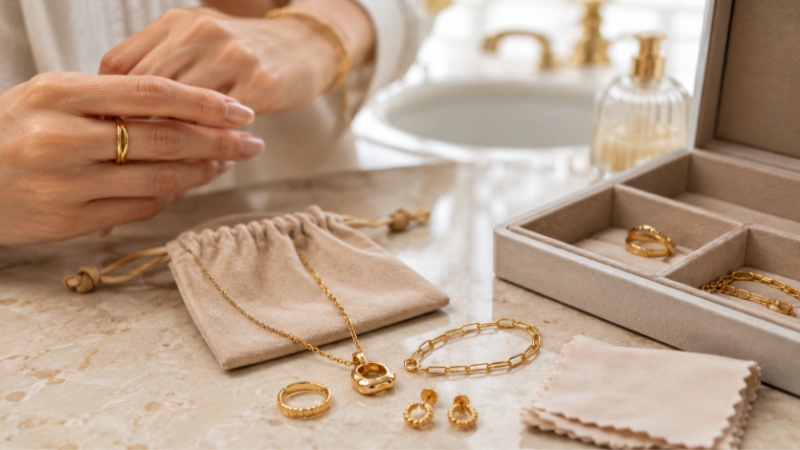
Care instructions help brands reduce after-sales issues. A simple care card can make the product feel more professional and help customers protect their jewelry. This is especially useful for wholesale buyers, Shopify sellers, and private-label brands.
How Missjeweler Supports Gold Plated Jewelry Brands
Missjeweler supports jewelry brands with OEM/ODM gold plated jewelry production. Our process can include CAD confirmation, sample development, material selection, polishing, plating control, stone setting, quality inspection, and bulk order support. The goal is to help brands confirm details before production, not only after problems happen.
We support categories such as gold plated rings, earrings, pendants, tennis bracelets, Cuban chains, custom name jewelry, logo pendants, moissanite plated jewelry, and hip hop jewelry. Different categories need different plating and QC focus. This helps growing brands choose products more realistically.
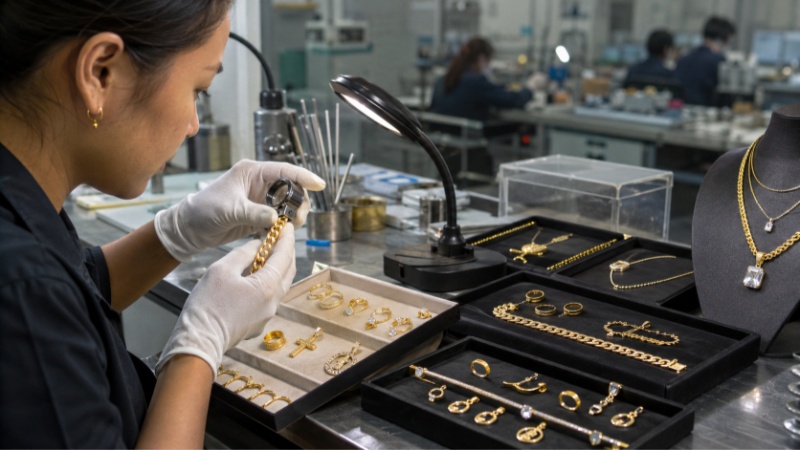
For gold plated jewelry, we pay attention to sample approval and production consistency. Buyers can confirm material, color, thickness, polishing, stone details, packaging, and QC requirements before bulk orders. These details are important for reducing fading complaints and improving repeat customer trust.
Missjeweler’s positioning is practical, reliable, and factory-focused. For brands, wholesalers, retailers, and Shopify sellers, the value is not only finding a product, but finding a production partner who can support samples, customization, repeat orders, and clear communication.
Questions Before Bulk Gold Plated Orders
Before placing a bulk gold plated jewelry order, buyers should ask clear questions. What base metal is used? What plating thickness can be confirmed? What gold color options are available? Is the approved sample the same standard as bulk production?
Buyers should also ask how the supplier controls color consistency and plating adhesion. Are polishing and surface preparation included before plating? What QC steps are done before shipment? Can the supplier provide final photos or videos?
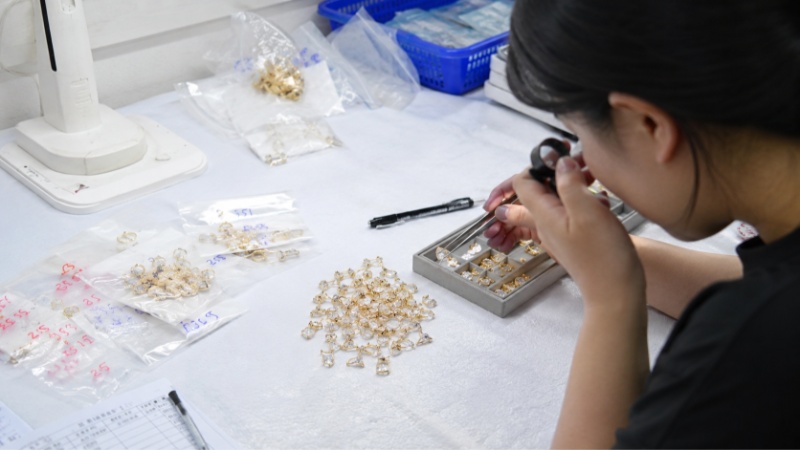
Repeat order support is also important. Can the supplier keep the same specifications for future restocks? Can the buyer use the approved sample as a reference? These questions help brands compare suppliers beyond price.
A low price is not always a low-risk choice. If plating standards are unclear, brands may face fading complaints, return requests, poor reviews, and weak repeat orders. A clear production process helps protect both product quality and brand reputation.
Conclusion
Gold plated jewelry can last from several months to a few years, but its real lifespan depends on plating thickness, base metal, production quality, product structure, care habits, and supplier QC.
For jewelry brands, choosing a reliable factory and confirming plating standards before bulk production is one of the best ways to reduce fading complaints and build repeat customer trust.
CTA
Need gold plated jewelry that looks good and supports repeat orders? Work with Missjeweler to confirm materials, plating details, samples, and bulk quality before production starts.
FAQ
How long does gold plated jewelry last?
Gold plated jewelry usually lasts from several months to a few years, depending on plating thickness, base metal, wearing frequency, care, and production quality.
Does gold plated jewelry fade quickly?
It can fade quickly if plating is thin or care is poor, especially when exposed often to water, sweat, perfume, chemicals, and friction.
Is gold plated jewelry good for wholesale?
Yes, gold plated jewelry is good for wholesale because it offers attractive appearance, flexible design options, lower cost, and good margins for fashion jewelry brands.
What base metal is best for gold plated jewelry?
It depends on product positioning. Brass is common for affordable jewelry, stainless steel is strong and stable, and 925 silver works well for higher-positioned plated jewelry.
How can brands reduce gold plating complaints?
Brands should confirm plating thickness, base material, sample quality, color standard, polishing, packaging, and QC process before placing bulk orders.