
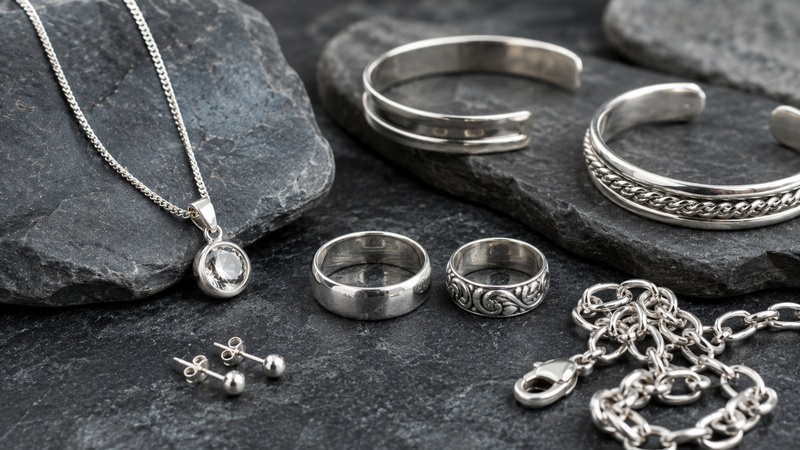
Many jewelry buyers see terms like “silver,” “sterling silver,” “925 silver,” and “silver-plated jewelry,” but these words can mean very different materials in real production.For jewelry brands, retailers, and wholesalers, this difference affects product durability, pricing, customer trust, and the risk of returns or complaints after bulk orders.Before placing a sample or bulk order,
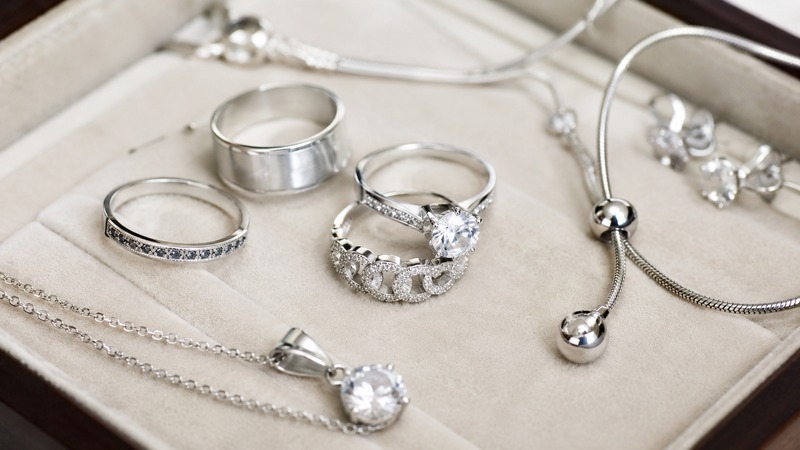
buyers should confirm whether the jewelry is solid 925 sterling silver, silver-plated, or only silver-tone base metal.In this guide, we’ll explain what 925 sterling silver really means, how it compares with regular silver and silver-plated jewelry, and how to avoid costly buying mistakes before production.
Is 925 Sterling Silver Better Than Regular Silver?
In most jewelry production, 925 sterling silver is a better choice than vague “regular silver” because it clearly means 92.5% real silver and offers better durability for daily wear. However, buyers should always confirm whether the product is solid 925 silver, silver-plated, or only silver-tone base metal before sampling or bulk production.
What Is Sterling Silver?
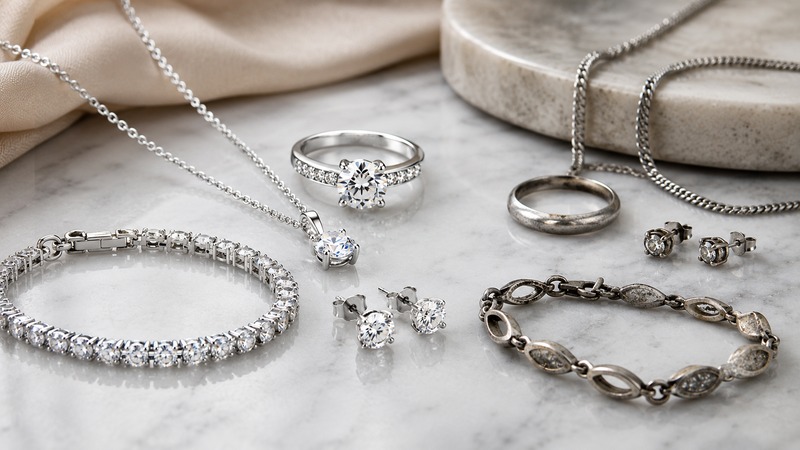
Sterling silver is a silver alloy made with 92.5% pure silver and 7.5% other metals, usually copper.
Pure silver is naturally soft, so adding alloy metals makes the jewelry stronger, more durable, and more suitable for daily wear.This is why sterling silver is widely used for rings, earrings, chains, bracelets, pendants, and custom jewelry.
What Is 925 Silver?
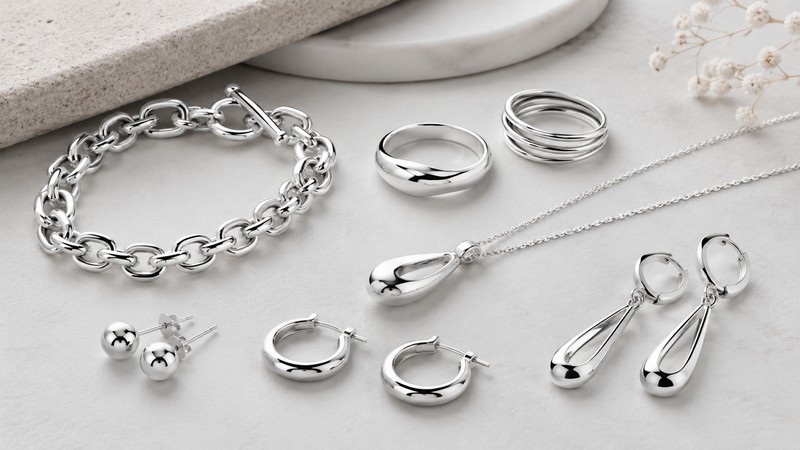
925 silver usually means the same material as sterling silver.The number “925” means the jewelry contains 925 parts silver out of 1,000 parts total metal content, or 92.5% real silver.Common stamps include 925, S925, Sterling, Sterling Silver, or 92.5, depending on the manufacturer and product design.
Is Sterling Silver Real Silver?
Yes, sterling silver is real silver because it contains 92.5% pure silver.However, it is not the same as 100% pure silver because the remaining 7.5% alloy metal is added for strength and durability.Buyers should also separate sterling silver from silver-tone jewelry, which may only be brass, copper, zinc alloy, or stainless steel with a silver-colored surface.
What Does “Regular Silver” Mean?
“Regular silver” is not a precise jewelry material term. It may refer to pure silver, sterling silver, 925 silver, silver-plated jewelry, or even silver-tone base metal jewelry.
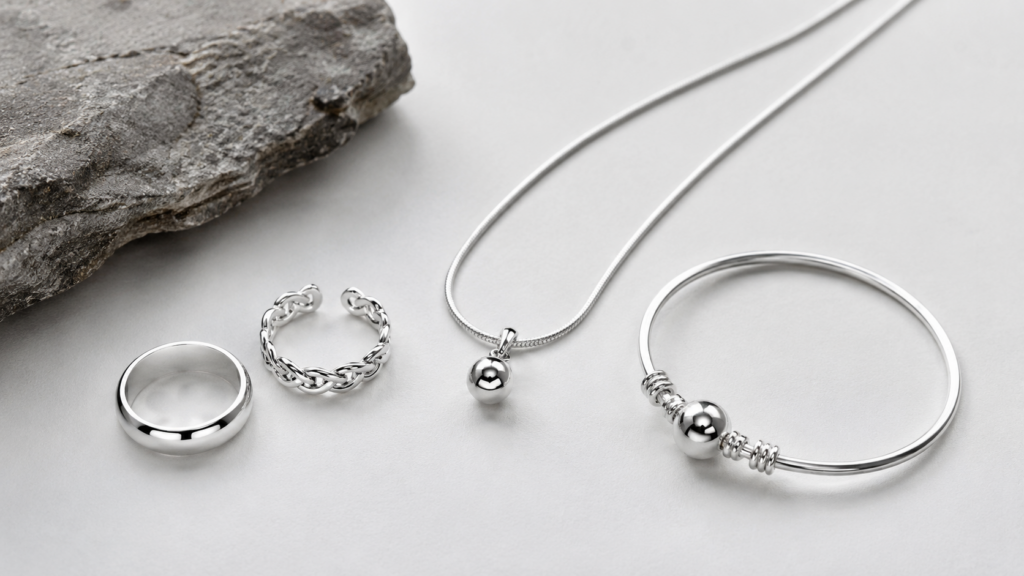
For B2B buyers, this term should always be clarified before sourcing or bulk production. If a supplier only says “silver,” buyers should ask whether it means solid 925 sterling silver, fine silver, silver-plated, or silver-tone base metal.
Silver vs. Sterling Silver: Main Difference
The main difference between silver and sterling silver is purity and durability.Pure silver usually contains 99.9% silver, but it is softer and easier to bend, scratch, or deform.925 sterling silver contains 92.5% silver and 7.5% alloy metals, making it a more practical choice for everyday jewelry production.
Regular Silver vs. 925 Sterling Silver vs. Silver-Plated Jewelry
| Material Type | Silver Content | Durability | Cost | Best For |
|---|---|---|---|---|
| Fine Silver | 99.9% silver | Soft, easy to bend | Higher | Collectible or delicate items |
| 925 Sterling Silver | 92.5% silver | Strong for daily wear | Medium | Rings, chains, pendants, earrings |
| Silver-Plated Jewelry | Thin silver layer | Plating may wear off | Lower | Low-cost fashion jewelry |
| Silver-Tone Base Metal | No real silver required | Depends on base metal | Lowest | Budget accessories |
925 Sterling Silver vs. Silver-Plated Jewelry
925 sterling silver is made mostly of real silver throughout the piece, while silver-plated jewelry only has a thin silver layer over a base metal such as brass, copper, or zinc alloy. This means 925 silver usually has higher value, better durability, and stronger customer acceptance.
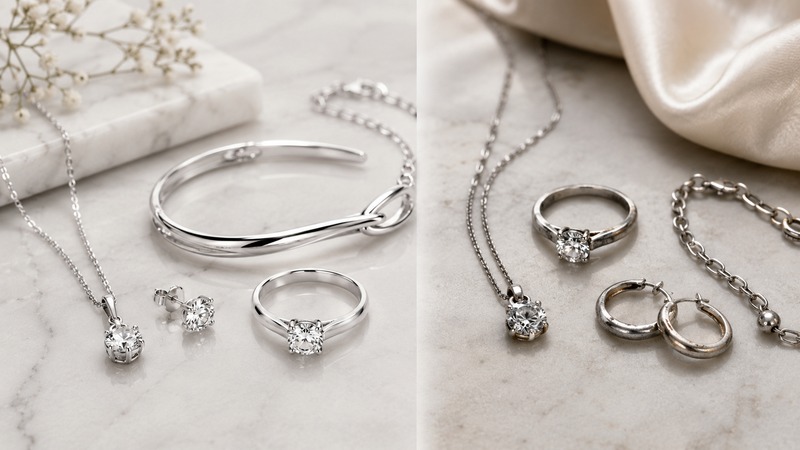
Silver-plated jewelry may fit low-cost fashion lines, but the plating can wear off over time and expose the base color. For jewelry brands and wholesalers, 925 sterling silver is usually a better choice for premium collections and long-term customer trust.
Manufacturer Insight: Why “Silver Jewelry” Must Be Clearly Defined Before Sampling
From our experience with B2B jewelry buyers, one common mistake is assuming that “silver jewelry” always means 925 sterling silver. In real sourcing, it may also mean silver-plated brass, copper, zinc alloy, stainless steel silver tone, or other base metal jewelry.
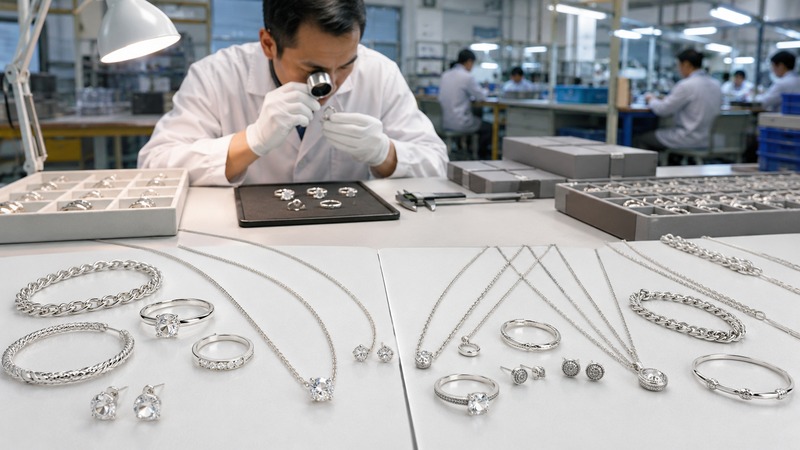
To avoid material mismatch, Missjeweler confirms whether the buyer needs solid 925 sterling silver or only a silver-colored product before quotation, sampling, and bulk production. For wholesale jewelry orders, buyers should confirm silver content, stamp requirements, plating details, and production standards before placing an order.
Why Is 925 Sterling Silver Popular for Jewelry Brands?
925 sterling silver is popular because it offers a strong balance between real silver value, durability, and production cost. It is suitable for OEM/ODM customization, stone setting, polishing, gold plating, rose gold plating, and rhodium plating.
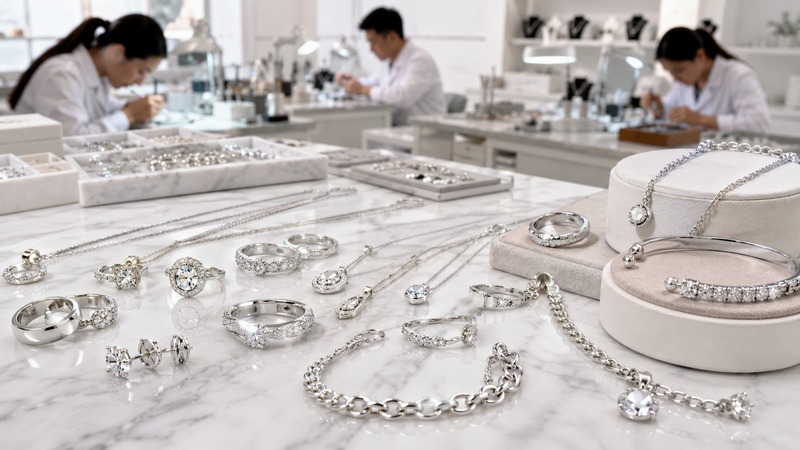
For jewelry brands and wholesalers, 925 silver can be used to produce rings, pendants, chains, earrings, bracelets, and private-label collections. It helps brands offer affordable fine jewelry with better quality perception and stronger customer trust.
Does 925 Sterling Silver Tarnish?
Yes, 925 sterling silver can tarnish over time because real silver reacts with air, moisture, sulfur, sweat, perfume, cosmetics, and chemicals. Tarnish may appear as yellow, gray, brown, or black discoloration on the jewelry surface.
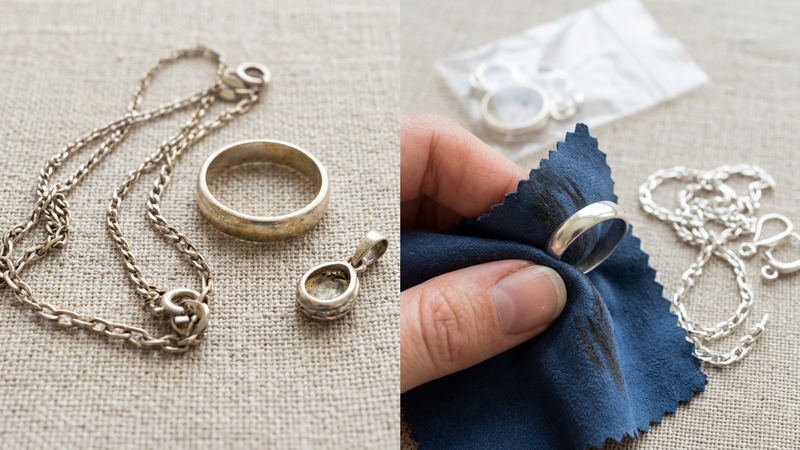
Tarnishing does not mean the jewelry is fake; it is a normal reaction of real silver. Buyers can reduce tarnish by keeping jewelry dry, avoiding chemicals, storing pieces in sealed packaging, and cleaning them with a soft polishing cloth.
Factory Experience: How We Reduce Tarnish, Scratches, Plating Issues, and Loose Stones
From our production experience, common 925 silver jewelry issues include tarnishing, slight yellowing, surface scratches, uneven plating, loose stones, and reduced brightness after long-distance shipping. These problems are often related to polishing, plating, stone setting, packaging, and storage conditions.
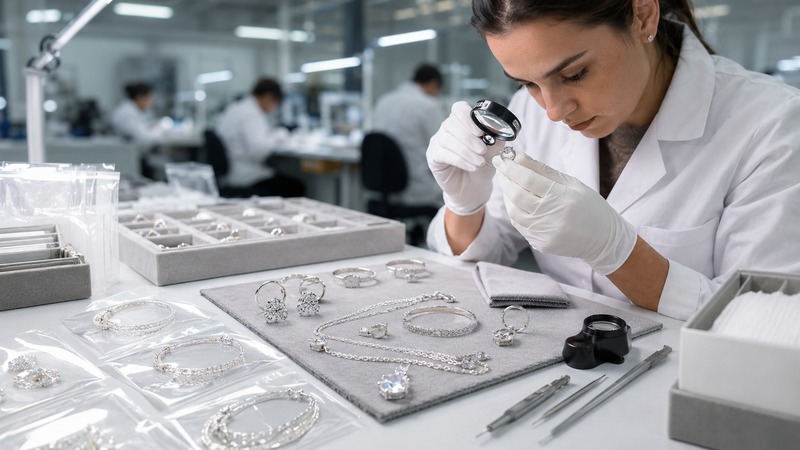
At Missjeweler, we check surface brightness, color consistency, plating quality, stone firmness, polishing details, and overall appearance before shipment. We also use individual bags, protective film, anti-friction packaging, or anti-tarnish packaging when needed to reduce scratches, moisture exposure, and after-sales risks.
How to Tell If 925 Silver Is Real
To check if 925 silver is real, first look for marks such as 925, S925, Sterling, or Sterling Silver. However, buyers should not rely only on the stamp, because stamp standards and placement may vary by product design, manufacturer, and country.
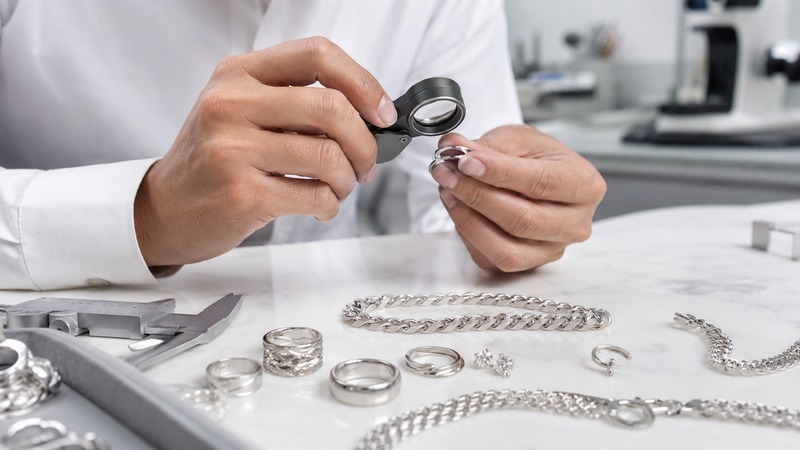
For B2B orders, it is better to confirm material details with the supplier, check samples carefully, review weight and finishing quality, and request QC inspection before shipment. Appearance alone is not enough to prove that jewelry is real 925 sterling silver.
5 Costly Buying Mistakes to Avoid When Buying Silver Jewelry
- Assuming “silver jewelry” always means 925 sterling silver
- Choosing only by price without confirming material
- Relying only on the 925 stamp
- Ignoring plating thickness, color, and anti-tarnish treatment
- Approving bulk production without samples and QC standards
Which Is Better: Regular Silver or 925 Sterling Silver?
The answer depends on what “regular silver” means. If it means pure silver, pure silver has higher silver content but is softer and less practical for daily-wear jewelry.
If it means silver-plated or silver-tone jewelry, 925 sterling silver is usually higher quality and more valuable. For most jewelry brands and wholesalers, 925 sterling silver is the better choice because it balances real silver value, durability, cost, and customer trust.
Common Jewelry Products Made with 925 Sterling Silver
925 sterling silver is widely used for rings, chains, pendants, earrings, bracelets, tennis bracelets, and moissanite silver jewelry. It can also be used as a base material for gold-plated silver jewelry, rhodium-plated silver jewelry, and custom private-label collections.
For jewelry brands, 925 silver is a practical choice for affordable fine jewelry lines. It works well with custom logos, lab-grown stones, moissanite, personalized designs, and premium packaging.
How Jewelry Buyers Should Choose 925 Sterling Silver Suppliers
When choosing a 925 sterling silver supplier, buyers should first confirm whether the product is solid 925 silver or silver-plated jewelry. They should also check MOQ, sample production, customization options, plating choices, stone setting quality, polishing standards, and packaging support.
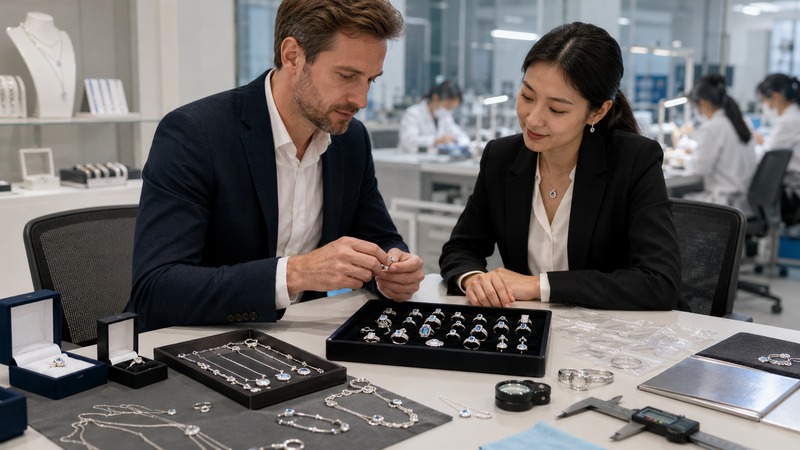
For wholesale and custom jewelry production, material accuracy is just as important as design. A reliable supplier should provide clear material confirmation, approved samples, production standards, and QC inspection before shipment.
FAQ
What is the difference between regular silver and 925 sterling silver?
“Regular silver” is not a precise jewelry material term. It may refer to pure silver, sterling silver, silver-plated jewelry, or silver-tone base metal, while 925 sterling silver clearly means the jewelry contains 92.5% real silver.
How can B2B buyers confirm 925 sterling silver before bulk production?
B2B buyers should confirm the material specification, 925 stamp requirement, sample approval, plating details, product weight, QC standard, and packaging method before bulk production. For higher-value orders, buyers can also request inspection reports or third-party testing when needed.
Is 925 silver the same as sterling silver?
Yes, in most cases, 925 silver and sterling silver mean the same material. The “925” mark shows that the jewelry contains 92.5% silver, which is the standard composition of sterling silver.
Is 925 silver better than silver-plated jewelry?
Yes, 925 silver is usually higher quality than silver-plated jewelry. 925 sterling silver contains silver throughout the alloy, while silver-plated jewelry only has a thin silver layer over a base metal.
Does 925 sterling silver tarnish?
Yes, 925 sterling silver can tarnish over time because real silver reacts with air, moisture, sweat, perfume, cosmetics, and chemicals. Tarnish is normal and does not mean the jewelry is fake.
Conclusion
925 sterling silver is real silver and one of the most practical materials for jewelry production because it balances silver value, durability, and cost.For jewelry brands, retailers, and wholesalers, understanding the difference between regular silver, 925 silver, and silver-plated jewelry helps avoid material confusion and after-sales risks.Choosing the right material and supplier is essential for building customer trust, stable product quality, and long-term repeat orders.
Work with a Reliable Jewelry Supplier
Missjeweler is a trustworthy, professional, and practical high-quality jewelry supplier for rings, necklaces, bracelets, earrings, and jewelry packaging boxes.
Contact us to discuss your next 925 sterling silver jewelry collection, request a quotation, or customize products for your brand.