
Introduction
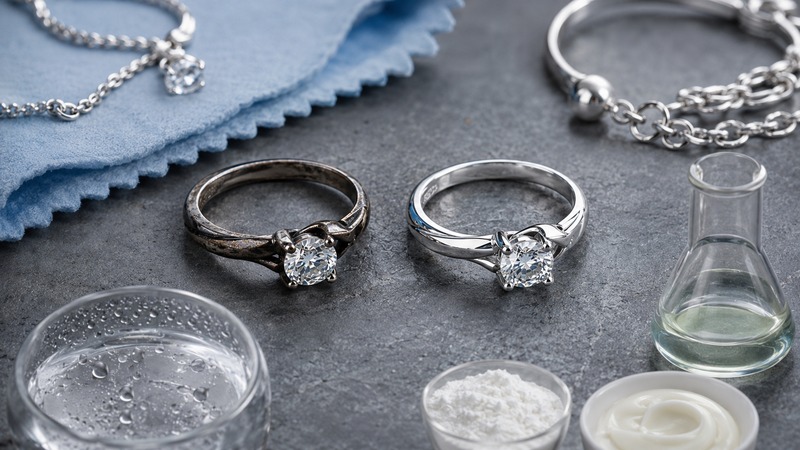
Yes, 925 sterling silver can tarnish, and this surface change does not automatically mean the jewelry is fake or defective. Sterling silver contains 92.5% silver and 7.5% other metals, which improve strength but can affect how the surface reacts to air, moisture, sweat, and chemicals. Most light tarnish can be cleaned or polished, although worn plating and damaged components need a different solution. For B2B buyers, silver purity is only one part of product performance, because polishing, welding, plating, packaging, storage, and inspection also shape the customer experience. This guide explains why sterling silver tarnishes, how to reduce discoloration, and which checks brands should complete before bulk orders.
Quick Answer
925 sterling silver can turn yellow, gray, brown, or black after exposure to sulfur compounds, humidity, sweat, cosmetics, and chemical residues. The change is usually limited to the surface, while its speed depends on the finish, product structure, wearing frequency, storage, and customer care.
Does 925 Sterling Silver Tarnish?
925 sterling silver tarnishes because it is a practical jewelry alloy rather than completely pure silver. The “925” mark means the item should contain 92.5% silver, while the remaining 7.5% usually includes metals that make rings, chains, clasps, and stone settings stronger.
Pure silver is relatively soft, so additional alloying is useful for everyday jewelry. However, the silver surface and supporting alloy can react with substances in the surrounding environment, creating visible discoloration over time.
Normal tarnish is usually a surface issue, not evidence that the whole item is damaged. Genuine sterling silver may therefore need occasional cleaning, dry storage, and finish-specific maintenance.
Why Does Sterling Silver Tarnish?
Sterling silver tarnishes when its surface reacts with sulfur-containing compounds, moisture, skin chemistry, or chemical residues. Air pollution, rubber, some paper, adhesives, foam, and packaging materials may increase exposure, so sealed packaging alone is not complete protection.
Sweat adds moisture, salts, and individual skin chemistry. During hot weather, exercise, or daily wear, rings, chains, and bracelets remain in contact with perspiration, which is why two customers may experience different results with the same product.
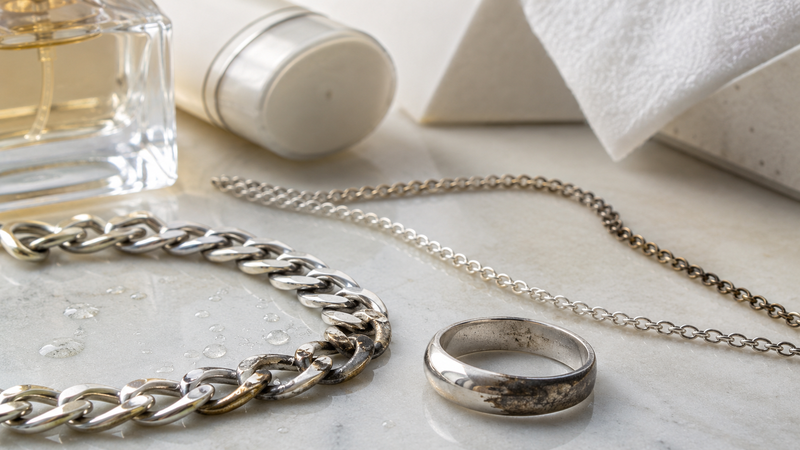
Perfume, lotion, sunscreen, hairspray, cleaners, chlorine, and seawater can leave residues or affect a plated finish. Brands should avoid claims such as “never tarnishes” or “waterproof in every environment” unless those statements are supported by defined testing.
Responsible material descriptions are especially important for B2B sellers. The FTC Jewelry Guides explain how precious-metal content and plating claims should be presented without misleading buyers.
Is Tarnished 925 Silver Fake?
No, tarnish alone does not prove that sterling silver jewelry is fake. Genuine 925 silver can darken when it is unplated, stored in humidity, or repeatedly exposed to sweat and cosmetics.
A piece that remains bright is not automatically higher quality. It may have rhodium plating, gold plating, a transparent coating, limited wear, or better storage conditions.
The “925” stamp is useful but not complete proof. Silver-plated brass can resemble sterling silver, while posts, springs, clasps, jump rings, and decorative parts may use different materials from the main body.
B2B buyers should combine specifications, material testing, samples, and production records. The assessment should include secondary components instead of checking only the largest visible part.
Tarnish, Rust, Green Marks, and Plating Wear
Tarnish, rust, green marks, and plating wear are different problems, even when customers call all of them “discoloration.” Correct identification matters because cleaning, replating, repair, and replacement solve different causes.
| Surface Appearance | Likely Cause | Typical Tarnish? | Recommended Response |
|---|---|---|---|
| Yellow, gray, brown, or black | Surface reaction | Yes | Clean or gently polish |
| Yellow metal under a white layer | Silver plating worn from brass | No | Verify the base metal and replate |
| Green skin marks | Copper, sweat, or cosmetics | Not always | Clean and review the material |
| Red-brown spots | Iron-containing component | No | Inspect posts, springs, or findings |
| White finish wearing away | Rhodium plating loss | No | Replate when appropriate |
Cleaning can remove surface tarnish or residue, but it cannot replace a plated layer that has worn away. Exposed yellow metal usually indicates plating wear or an incorrect material description rather than normal silver tarnish.
What Makes Sterling Silver Tarnish Faster?
Material consistency is the first factor buyers should control. The silver alloy, solder, chain, posts, clasps, springs, and jump rings should be specified because mixed components may age at different rates.
Surface preparation also affects product performance. Scratches, polishing compound, pores, welding marks, and incomplete cleaning can remain under a finish, while plating cannot fully hide poor preparation.
Plating and protective coatings reduce direct exposure but add quality requirements. Rhodium can delay discoloration, gold plating shifts the concern to color wear, and transparent coatings depend on coverage, curing, and adhesion.
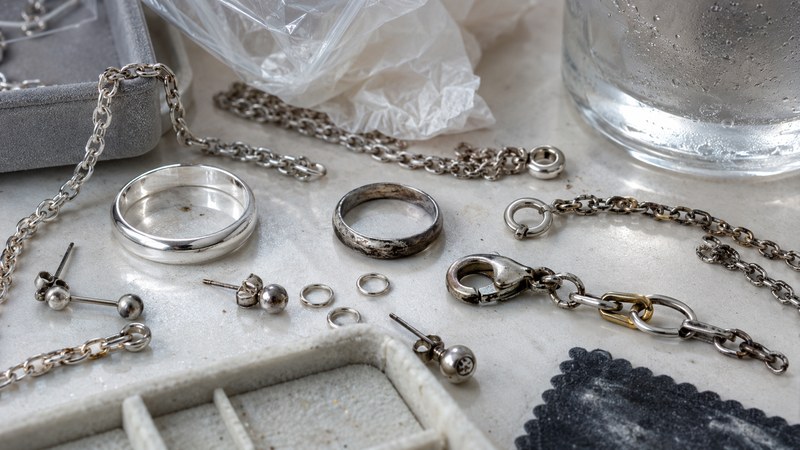
Storage can create problems before the product is sold. High humidity, adhesive fumes, foam, untreated paper, and long inventory periods may cause marks even when production quality was initially acceptable.
Chemical and surface-treatment choices should match the destination market. Buyers selling into Europe should review the European Chemicals Agency’s information about REACH requirements when defining materials, coatings, and restricted-substance controls.
Which Jewelry Types Tarnish Faster?
Rings often show surface changes first because they face hand contact, washing, impact, and friction. The lower shank, inner wall, prongs, openwork areas, and solder points deserve additional inspection.
Bracelets and chains have many moving contact points. Cuban links, tennis bracelets, clasps, and jump rings rub against one another, clothing, desks, and skin, so articulated products need finish checks in motion.
Earrings may develop issues around posts, backs, hinges, and welded areas. Customers are particularly sensitive to discoloration near the ear, making component consistency and residue removal especially important.
Pendants and necklaces collect perfume, lotion, and sweat on the back. Engraving, hollow sections, and textured surfaces can hold residue and may need more specific care instructions.
Does Water, Sweat, or Air Tarnish Sterling Silver?
Everyday exposure creates different risk levels, depending on time, finish, structure, and aftercare. The following table is a practical guide rather than a fixed product-life guarantee.
| Exposure | Risk Level | Main Concern | Recommended Action |
|---|---|---|---|
| Normal air | Low to medium | Long-term exposure | Store dry in a sealed bag |
| Sweat | Medium to high | Moisture, salts, and skin chemistry | Wipe after wearing |
| Tap water | Medium | Minerals, soap, and moisture | Dry completely |
| Swimming pool | High | Chlorine and chemicals | Remove before swimming |
| Seawater | High | Salt, moisture, and friction | Avoid prolonged exposure |
| Perfume or lotion | Medium to high | Chemical residue | Apply before wearing jewelry |
| Humid warehouse | Medium to high | Long-term moisture | Control humidity and packaging |
Water is not the only concern. Soap, chlorine, minerals, salt, trapped moisture, and friction can combine to accelerate tarnish or weaken a plated surface.
For wholesale orders, vague “waterproof” language should be replaced with defined care instructions and test conditions. Rings, earrings, chains, and stone-set bracelets may require different performance expectations.
How to Prevent Sterling Silver from Tarnishing
Remove sweat, cosmetics, and moisture after wear. A soft lint-free cloth reduces residue, while washed pieces should be completely dry before they are placed in a sealed bag or jewelry box.
Limit high-risk exposure whenever practical. Customers should remove silver jewelry before swimming, showering, using strong cleaners, or applying perfume, sunscreen, hairspray, and lotion near the piece.
Store jewelry separately to reduce friction and environmental exposure. Individual bags, suitable anti-tarnish materials, controlled humidity, and clean inserts can help, but the packaging materials should also be evaluated.
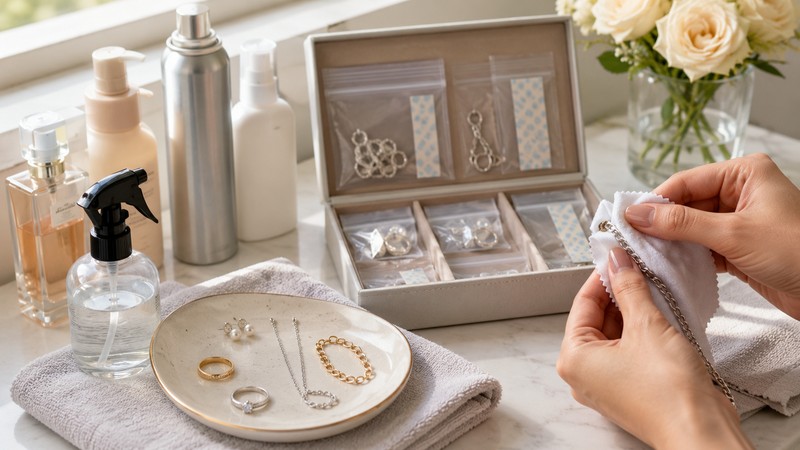
Care instructions must match the actual surface finish. Unplated sterling silver may tolerate an appropriate polishing cloth, while rhodium-plated or gold-plated products should not be rubbed aggressively.
Stone-set, pearl, enamel, glued, hollow, or oxidized designs need specific guidance. One generic care card may be unsuitable for every SKU in a jewelry collection.
Can Tarnished Sterling Silver Be Restored?
Most light tarnish can be cleaned, but worn plating, deep scratches, loose stones, and damaged solder joints need another process. Mild soap, clean water, and a soft cloth may suit simple pieces when the jewelry is rinsed and dried thoroughly.
A silver-polishing cloth can work for some unplated products, but repeated abrasion may soften details, alter a satin finish, or damage plating. Strong cleaners should not be used without checking the stones, adhesive, coating, and product construction.
Cleaning cannot rebuild a missing surface finish. Replate lost color, repair damaged structures, and use professional assessment for valuable or complex stone-set jewelry.
Seven Checks Before Buying 925 Silver Jewelry in Bulk
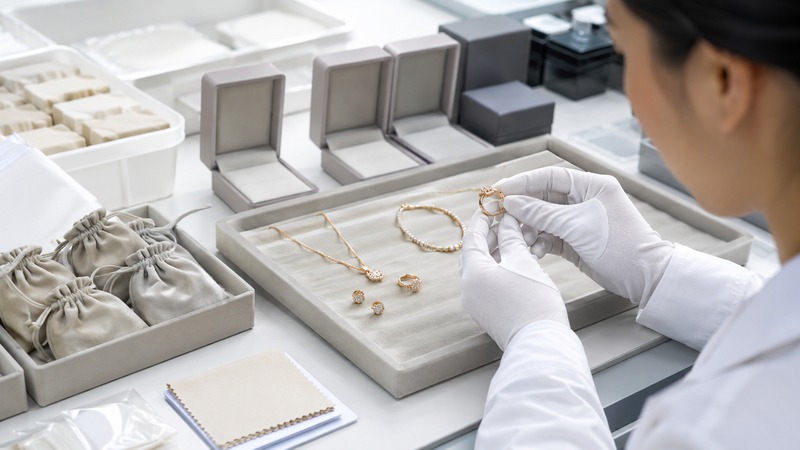
Confirm the Base Metal
The quotation, sample, product page, purchase order, and production sheet must describe the same material. Buyers should distinguish solid 925 silver, rhodium-plated 925 silver, gold-plated 925 silver, and silver-plated base metals.
Verify Every Component
Do not test only the main body. Posts, backs, clasps, springs, jump rings, chains, hinges, soldered findings, and detachable parts should also be confirmed.
Define the Surface Finish
A professional specification should state the polishing style, plating metal, target color, plating thickness, protective coating, and acceptable color range. “Rhodium plated” alone is not enough for a fair quotation comparison.
Inspect High-Friction Areas
Testing should focus on locations customers actually touch. Ring bottoms, inner shanks, bracelet undersides, chain contact surfaces, pendant backs, clasps, posts, and moving parts usually show wear first.
Approve a Physical Sample
CAD files and product photographs cannot replace a finished sample. Record the weight, dimensions, color, texture, stone setting, movement, packaging, and care instructions before approving production.
Use Relevant Product Tests
Testing should match the product, finish, market, and intended use. Options may include material verification, plating-thickness measurement, artificial perspiration, humidity storage, rubbing, clasp cycling, solder inspection, and stone-security checks.
Standardize Packaging and Final Inspection
Packaging and final inspection are part of product quality. Check for fingerprints, residue, scratches, color variation, plating gaps, loose parts, moisture, and unsuitable contact materials before shipment.
Documented controls improve repeatability across samples, bulk production, and reorders. ISO 9001 quality management supports process control and recordkeeping, but it should not be presented as proof that jewelry will never tarnish.
What Makes Tarnish-Resistant Silver Cost More?
A more stable finish may cost more because it requires better preparation, plating, testing, inspection, and packaging. Extra polishing, rhodium or gold plating, controlled thickness, protective coating, color matching, cleaning, and curing increase production complexity.
Testing can add cost while reducing expensive failures. Sweat tests, friction checks, humidity storage, component inspection, and additional final-control points can reveal risks before products reach customers.
The hidden cost of a low quotation may be much larger than the initial price difference. Returns, cleaning, replating, replacement, inconsistent reorders, customer-service time, and poor reviews can quickly remove the savings.
The lowest unit price is not automatically the lowest-risk decision. Buyers should compare suppliers only after they quote the same material, finish, plating thickness, testing, packaging, and inspection requirements.
How Jewelry Brands Can Reduce Tarnish Complaints
Clear product information is the first defense against avoidable complaints. Product pages should distinguish unplated silver, rhodium-plated silver, gold-plated silver, and silver-plated base metals without unsupported “never tarnish” claims.
Care cards should match each product family. Rings, chains, pearl jewelry, enamel pieces, and plated items may require different cleaning and storage instructions.
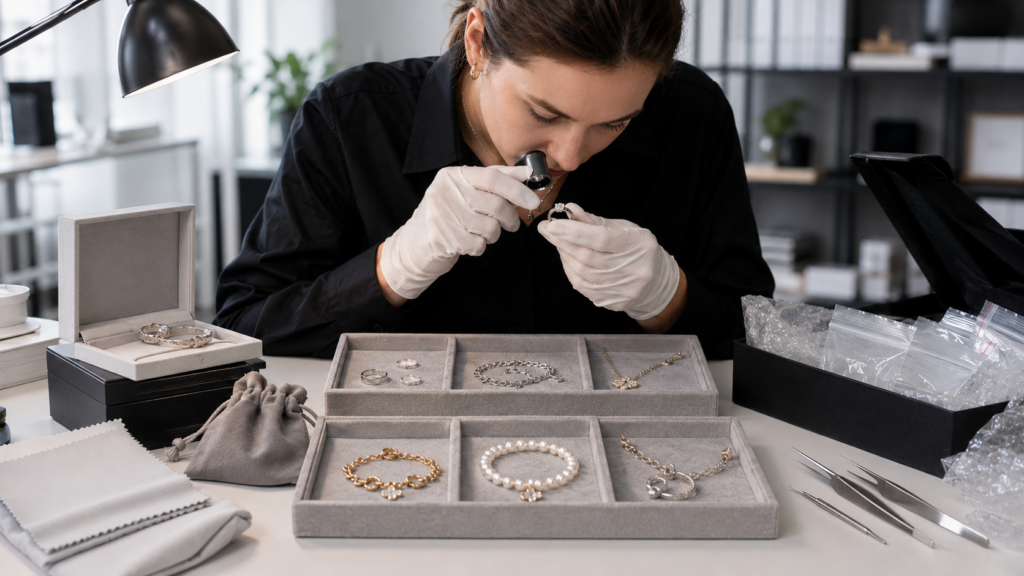
Complaint records should identify the affected area and wearing conditions. Separate tarnish, chemical residue, green marks, plating wear, loose stones, and structural defects before choosing cleaning, replating, repair, or replacement.
After-sales data should improve the next production run. Repeated issues at ring bottoms, clasps, posts, solder joints, or packaging contact points show where specifications and inspections may need strengthening.
How Missjeweler Supports Sterling Silver Buyers
Missjeweler helps brands define materials, finishes, samples, testing, packaging, and inspection requirements before bulk production. This gives buyers a clearer standard for approving products and evaluating repeat orders.
Product development can cover 925 silver, component materials, CAD structure, dimensions, weight, polishing, rhodium or gold plating, color references, solder points, clasps, posts, stone settings, and high-friction areas. Packaging and care instructions can also be reviewed during sampling.
Low-MOQ sampling helps growing brands test a product before committing to larger inventory. A physical sample can be checked for appearance, comfort, movement, surface quality, packaging fit, and production feasibility.
Process inspections and final inspections help reduce visible differences between the approved sample and bulk goods. Production records also support more consistent color, dimensions, components, and packaging in later reorders.
The goal is not to claim that sterling silver needs no care. The practical goal is to reduce premature and inconsistent discoloration through controlled materials, preparation, plating, inspection, packaging, and honest guidance.
Conclusion
925 sterling silver can tarnish, but normal surface discoloration does not automatically mean the jewelry is fake or poorly made; product performance depends on exposure, structure, polishing, plating, storage, packaging, and customer care.
For bulk orders, buyers should confirm the base metal, every component, surface finish, testing method, approved sample, packaging, and final inspection standard instead of relying on a general anti-tarnish claim.
Start with a Verified 925 Silver Sample
Send Missjeweler your design or target specifications to receive a low-MOQ 925 silver sample and detailed quote, so you can verify the material, plating, packaging, and bulk-order consistency before investing in larger production
Frequently Asked Questions
Does real 925 sterling silver tarnish?
Yes. Real 925 sterling silver can develop yellow, gray, brown, or black surface discoloration without being fake.
How long does sterling silver take to tarnish?
There is no fixed timeline. Humidity, sweat, chemicals, storage, finish, structure, and wearing frequency all affect the speed.
Does 925 sterling silver turn green?
Sterling silver more commonly develops dark tarnish. Green marks may involve copper, sweat, cosmetics, or exposed base metal.
Can I shower with sterling silver?
Water, soap, chlorine, and trapped moisture may accelerate discoloration or plating wear. Removing the jewelry first reduces unnecessary risk.
Does rhodium-plated sterling silver tarnish?
Rhodium delays direct exposure, but it can wear in high-friction areas. Exposed silver may then begin to tarnish.