
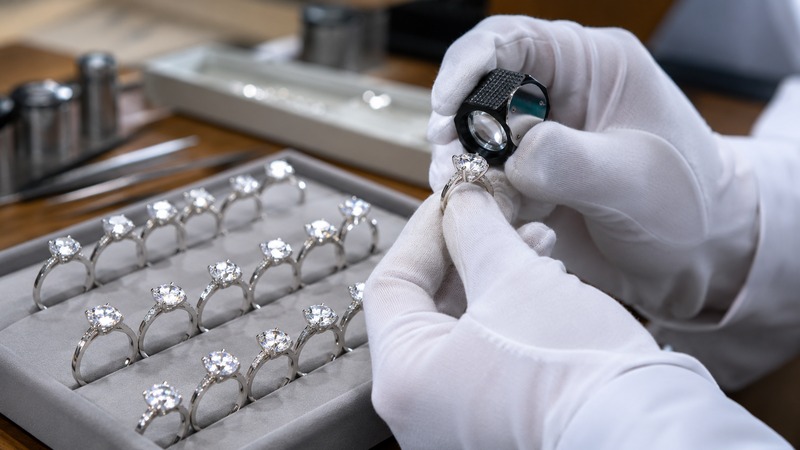
Moissanite rings can last for many years, and the moissanite stone itself can last a lifetime under normal wear. Real moissanite is highly durable, scratch resistant, and does not naturally become cloudy like low-quality simulants. However, the real lifespan of a moissanite ring depends on more than the gemstone. The metal, prong setting, plating thickness, ring structure, and daily habits all affect how the finished ring looks after years of use. For B2B buyers, the smarter question is not only whether moissanite lasts, but whether the finished ring is built well enough for repeat sales.
Do Moissanite Rings Last?
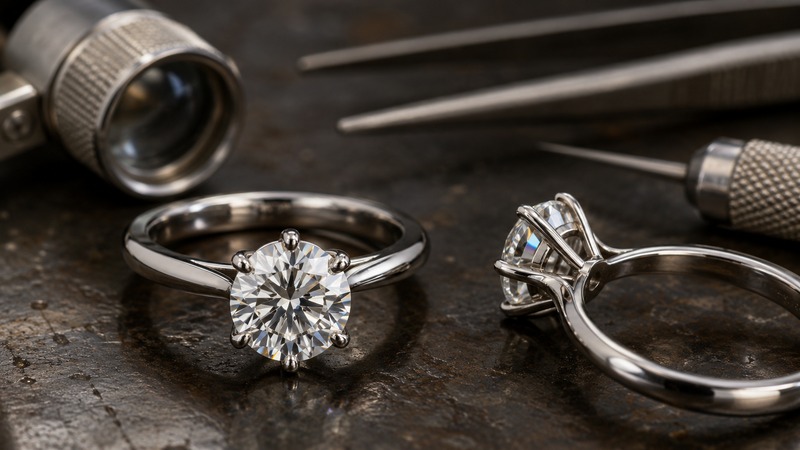
Yes, moissanite rings can last for many years or even a lifetime when the stone is real and the ring is properly made. Moissanite is one of the most durable gemstones used in jewelry, with strong resistance to scratching and daily wear. It does not fade, lose fire, or become cloudy from age alone.
The important detail is that the stone usually lasts longer than the ring setting. Metal can scratch, plating can fade, prongs can loosen, and thin bands can bend over time. For jewelry sellers, this means finished ring quality matters just as much as stone quality.Moissanite is commonly rated 9.25 on the Mohs hardness scale, making it highly resistant to scratches in daily jewelry use.
How Long Does a Moissanite Ring Usually Last?
A real moissanite stone can last a lifetime with proper care, but the finished ring lifespan depends on construction. A well-made gold moissanite ring may last for decades, while a thin plated ring may show wear much earlier. This is why buyers should separate gemstone durability from finished jewelry durability.
Different ring parts age in different ways. Moissanite stays bright, but prongs, plating, and metal surfaces need inspection over time. For B2B orders, this difference is important because customers often complain about loose stones or fading color, not the moissanite itself.
| Ring Component | Typical Lifespan | What Affects It |
|---|---|---|
| Moissanite stone | Lifetime with care | Stone quality, cut, impact, cleaning |
| Prongs | Years, with inspection | Thickness, setting skill, daily impact |
| Plating | Months to years | Plating thickness, friction, chemicals |
| 925 silver band | Years with care | Band thickness, polishing, anti-tarnish finish |
| Gold band | Long-term | Karat, design strength, setting quality |
| Brass plated band | Shorter lifespan | Plating quality and customer care |
Why the Stone Lasts Longer Than the Ring
Many buyers ask, “Do moissanite rings last?” but the better question is: does the stone last, or does the finished ring last? Moissanite is a durable gemstone, but even a high-quality stone can be placed in a weak ring. If the setting is poorly made, the customer experience can still be disappointing.
The stone may remain clear and brilliant while the ring body shows normal wear. Metal scratches, plating fades, prongs loosen, and thin shanks can bend under pressure. These are manufacturing and material issues, not moissanite stone failure.
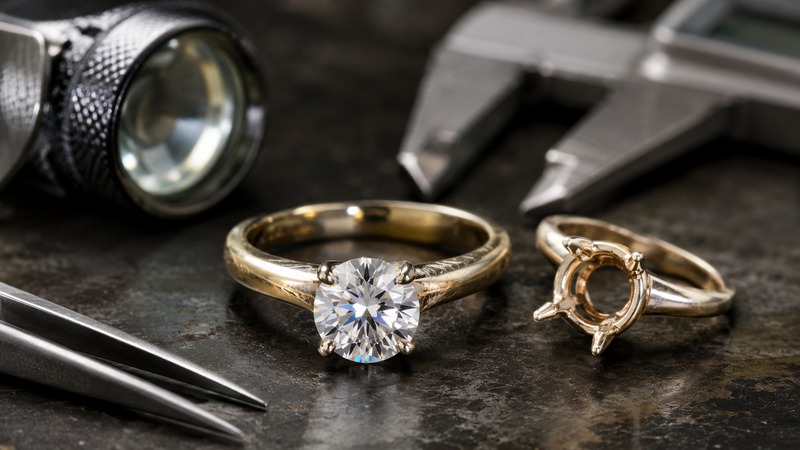
For wholesale buyers, this is where product evaluation becomes practical. A loose stone certificate is not enough if the finished ring has weak prongs or unstable plating. Buyers should inspect the whole product, including stone matching, metal thickness, setting strength, polishing, and final QC.
Does Moissanite Get Cloudy Over Time?
Real moissanite does not naturally become cloudy over time. If a moissanite ring looks dull, the most common cause is surface buildup from oil, soap, lotion, dust, or daily contact. Once cleaned properly, a real moissanite stone should regain strong sparkle and fire.
Cloudiness can also come from unclear product claims. Some low-quality simulants, glass, or cubic zirconia may look cloudy faster, but that does not mean real moissanite behaves the same way. Sellers should clearly confirm stone type before listing or reselling jewelry.
This is also why responsible jewelry descriptions matter. The FTC Jewelry Guides help sellers understand how jewelry materials and claims should be described. For B2B buyers, clear product information reduces disputes and protects long-term customer trust.
| Problem | Likely Cause | What to Do |
|---|---|---|
| Stone looks dull | Oil, lotion, or soap buildup | Clean with mild soap and a soft brush |
| Stone looks milky | Dirty surface or unclear stone quality | Recheck authenticity |
| Ring looks yellow | Metal reflection or lower color grade | Confirm color grade before production |
| Sparkle looks weak | Poor cut or dirty surface | Check cut quality and clean stone |
What Actually Wears Out on Moissanite Rings?
The moissanite stone is rarely the first part to fail. Most durability issues happen in the finished ring structure, especially when rings are worn every day. Hands touch water, soap, perfume, hard surfaces, bags, phones, and gym equipment, so rings face more friction than earrings or pendants.
Metal Scratches
All ring metals can scratch with daily use. Silver, gold, brass, and stainless steel all develop surface marks depending on hardness, polishing, and wearing habits. These scratches are normal metal wear and do not mean the moissanite stone is damaged.
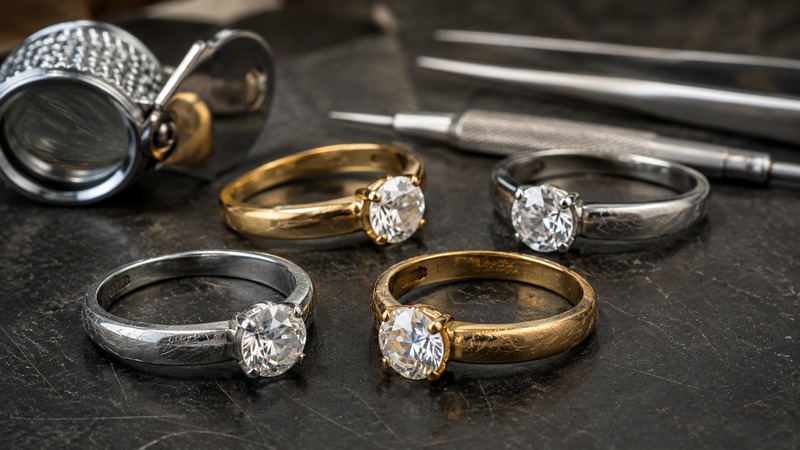
For B2B buyers, metal quality should match the product position. A premium moissanite engagement ring should not use a structure that is too thin for daily wear. A fashion ring can be lighter, but the material claim should be clear to avoid wrong customer expectations.
Plating Wears Off
Gold plating, rhodium plating, and other surface finishes can fade with friction. Rings experience faster plating wear because hands are exposed to soap, sweat, water, lotion, perfume, cleaning products, and hard surfaces. If plating is too thin, customers may notice fading, darkening, or base metal exposure sooner.
For wholesale orders, plating should be treated as a quality checkpoint. Buyers should confirm plating color, thickness, surface protection, and sample consistency before bulk production. This is especially important for 925 silver rings, brass rings, and fashion moissanite collections.
Prongs Can Loosen
Prongs are one of the most important durability details in moissanite rings. If prongs are too thin or poorly finished, the stone may move or fall out after daily impact. Large center stones, pear cuts, marquise cuts, and high settings need extra attention.
A secure setting is not only about appearance. It affects customer complaints, returns, and brand reputation. For B2B buyers, every bulk order should include setting inspection before shipment, especially for engagement rings and everyday rings.
Ring Shanks Can Bend
Thin bands may look delicate in product photos, but weak shanks can bend under real use. This risk becomes higher when the ring holds a large center stone or has a high setting. A beautiful CAD design still needs enough structure for daily wear.
For custom moissanite rings, CAD review is essential. Stone size, band thickness, setting height, and finger comfort should be confirmed before sample production. This helps reduce weak designs before they become bulk order problems.
Which Metal Makes Moissanite Rings Last Longer?
The same moissanite stone can perform differently depending on the metal. Metal choice affects durability, price level, customer expectations, and after-sales risk. A premium bridal customer expects different long-term performance than a fashion jewelry customer.
925 sterling silver is popular for affordable fine jewelry. It offers a good balance of cost and quality, but plating, anti-tarnish finishing, and ring thickness still matter. If the ring is too thin or the plating is weak, the finished product may not match customer expectations.
Gold is usually the stronger choice for long-term daily wear. 10K and 14K gold are practical options for engagement rings and premium moissanite collections because they balance durability and value. 18K gold feels more luxurious but needs careful design because it is softer.
Brass and stainless steel can also work for specific markets. Brass is common for fashion jewelry, but plating quality is critical. Stainless steel is strong and modern, but it is less traditional for bridal positioning.
| Metal | Durability | Price Level | Best For | B2B Notes |
|---|---|---|---|---|
| 925 Sterling Silver | Good | Medium | Affordable fine jewelry | Needs plating and anti-tarnish control |
| Brass | Moderate | Low | Fashion moissanite rings | Plating thickness is critical |
| Stainless Steel | Strong | Low-medium | Hip hop and fashion rings | Strong base, less bridal-focused |
| 10K Gold | Strong | High | Daily wear rings | Durable and cost-controlled |
| 14K Gold | Very strong | Higher | Engagement rings | Good balance of durability and value |
| 18K Gold | Premium but softer | Highest | Luxury rings | Needs careful design for daily wear |
Are Moissanite Rings Good for Daily Wear?
Yes, moissanite rings are suitable for daily wear when the ring is well made. Moissanite has strong hardness and brilliance, making it practical for engagement rings, promise rings, fashion rings, and everyday jewelry. The stone itself can handle normal daily use very well.
However, daily wear requires more than a durable stone. The setting must be secure, the band must be strong, and the plating must match the intended use. A ring worn every day should pass stricter QC than a ring worn only for events.
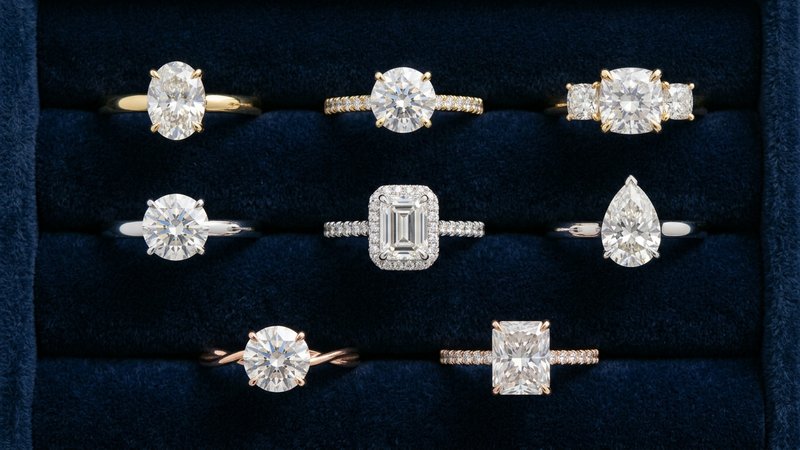
Buyers should also understand hardness correctly. The Mohs hardness scale explains scratch resistance, but hardness does not measure every type of durability. Impact, pressure, prong design, and metal thickness still affect the finished ring.
For B2B sellers, a daily wear checklist is useful before placing orders. Secure prongs, proper band thickness, smooth inner polishing, reliable plating, confirmed millimeter size, and final QC should all be checked. This makes the product easier to sell and easier to support after purchase.
Moissanite vs Diamond: Which Lasts Longer?
Diamond is harder than moissanite, but moissanite is still durable enough for everyday rings. Diamond ranks 10 on the Mohs scale, while moissanite is commonly known for very high hardness and strong wear resistance. For most customers, both stones can perform well in daily jewelry.
The practical difference is not only hardness. Moissanite offers strong brilliance at a more accessible price, which makes it attractive for jewelry brands building affordable luxury collections. Diamond remains stronger for high-end luxury positioning, but cost and sourcing may limit product range.
The GIA gem education resources are useful for understanding gemstone properties and responsible product education. For sellers, clear gemstone education helps customers choose confidently instead of comparing only price or carat size.
| Feature | Moissanite | Diamond |
|---|---|---|
| Hardness | Very high | Highest |
| Daily Wear | Excellent | Excellent |
| Brilliance | Strong rainbow fire | Classic white brilliance |
| Price | More accessible | Higher |
| B2B Value | Strong for affordable luxury collections | Strong for high-end fine jewelry |
| Main Risk | Weak setting or poor plating | High cost and sourcing concerns |
How to Make Moissanite Rings Last Longer
Moissanite is low-maintenance, but the finished ring still needs care. Customers should remove rings before heavy work, gym training, swimming, chemical cleaning, or applying heavy lotion and perfume. These habits help protect the metal, plating, and prongs.
Cleaning is simple and effective. Warm water, mild soap, and a soft brush can remove buildup around the stone and setting. Harsh chemicals should be avoided, especially for plated rings or delicate pavé designs.
Storage also matters. Rings should be stored separately to reduce metal scratches and prevent stones from rubbing against harder jewelry. For brands, adding a small care card can reduce customer questions and improve the after-sales experience.
For B2B buyers, care guidance is part of product quality. A good ring plus clear care instructions helps customers understand normal wear and avoid preventable damage. This can reduce returns, complaints, and negative reviews.
What B2B Buyers Should Check Before Bulk Orders
For B2B buyers, durability should be confirmed before bulk production. A beautiful sample does not always guarantee stable bulk quality if the supplier lacks clear standards. The goal is to make every reorder look and perform consistently.
Buyers should confirm stone type, millimeter size, color grade, clarity grade, metal material, plating thickness, setting method, polishing quality, packaging, and final QC. These details decide whether the ring is ready for repeat sales. Without them, sellers may face loose stones, color inconsistency, unclear product claims, and after-sales disputes.
A reliable production process also matters. The ISO 9001 quality management standard explains how structured systems help organizations manage consistency and improvement. For jewelry production, clear process control supports stable bulk orders.
Common Mistakes When Buying Moissanite Rings
One common mistake is checking only the stone. Moissanite durability is important, but finished ring construction is just as important. A real stone can still create complaints if the setting is weak or the plating is unstable.
Another mistake is choosing the lowest price without checking specifications. A cheap ring may hide thin metal, weak plating, poor polishing, or loose prongs. For sellers, these problems often appear after customers start wearing the product.
Some buyers also confuse carat equivalent with actual millimeter size. Moissanite is often described by diamond-equivalent weight, but the actual face-up size should be confirmed in millimeters. This is especially important for product listings, samples, and reorder consistency.
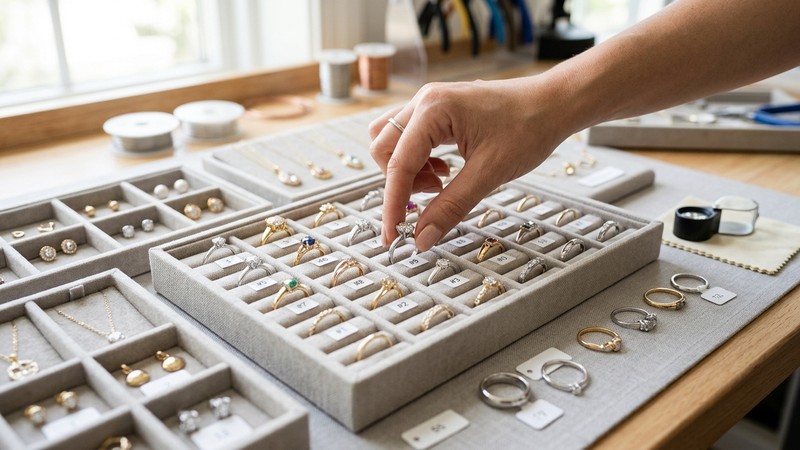
Skipping sample approval is another risk. Bulk production should not begin before the buyer confirms the sample standard. The sample should represent stone quality, metal finish, plating color, setting strength, and overall product feel.
Final QC should never be treated as optional. Every ring should be checked for loose stones, plating defects, polishing marks, wrong size, and packaging issues before shipment. This is the difference between a product that looks good once and a product that supports repeat business.
When Should You Repair or Replace a Moissanite Ring?
The moissanite stone usually does not need replacement unless it suffers strong impact or the customer wants a new design. Most repairs are related to the ring setting, not the gemstone. Loose prongs, faded plating, bent bands, and moving accent stones are the most common issues.
For sellers, repair guidance protects customer trust. Clear after-sales instructions help customers understand what is normal wear and what needs professional repair. For bulk buyers, stronger production standards reduce repair rates from the beginning.
| Sign | What It Means | Action |
|---|---|---|
| Stone moves | Loose prongs | Repair setting |
| Plating fades | Surface wear | Re-plate or upgrade plating |
| Band bends | Thin shank or pressure | Repair or redesign |
| Ring looks dull | Dirt buildup | Clean properly |
| Small stones fall out | Weak setting or impact | Improve QC or repair |
How Missjeweler Helps Make Moissanite Rings Last
Missjeweler supports jewelry brands, wholesalers, and online sellers with custom moissanite ring manufacturing. From CAD design and sample approval to stone selection, setting inspection, plating control, packaging confirmation, and final QC, Missjeweler helps buyers create rings that are not only beautiful in photos but also stable for repeat sales.
For moissanite rings, Missjeweler focuses on secure prongs, consistent stone matching, clean polishing, reliable metal options, and sample-to-bulk consistency. This helps B2B buyers reduce loose stone risk, unclear specifications, unstable quality, and after-sales complaints. Buyers can develop moissanite engagement rings, 925 silver moissanite rings, custom logo rings, hip hop rings, earrings, pendants, tennis bracelets, and tennis chains.
Missjeweler also supports low MOQ trial orders for growing brands. This allows sellers to test designs, confirm customer feedback, and scale with more confidence before placing larger bulk orders. For buyers who want practical, stable, and repeatable moissanite jewelry production, supplier process matters as much as the stone itself.
Conclusion
Moissanite rings can last for many years because the stone itself is highly durable, scratch resistant, and not likely to become cloudy under normal wear. However, the real lifespan of a finished ring depends on metal quality, setting strength, plating process, CAD structure, and final QC.
Create Moissanite Rings Built for Repeat Sales
Ready to build moissanite rings that customers trust and reorder? Contact Missjeweler for low MOQ trial orders, CAD support, secure settings, sample approval, and final QC before bulk production.
FAQ
Do moissanite rings last a lifetime?
Yes. The moissanite stone can last a lifetime with normal care, but the finished ring depends on metal quality, setting strength, and daily wear habits.
Does moissanite get cloudy over time?
No. Real moissanite does not naturally become cloudy. If it looks dull, the surface may have oil, soap, lotion, or dirt buildup.
Is moissanite good for everyday rings?
Yes. Moissanite is durable enough for everyday rings when the setting is secure, the band is strong, and the ring passes proper QC.
What part of a moissanite ring wears out first?
Usually the metal, plating, prongs, or ring band wears before the moissanite stone itself.
What should B2B buyers check before bulk orders?
B2B buyers should check stone size, color grade, clarity grade, metal material, plating thickness, prong setting, sample approval, and final QC standards.